
Why Should You Replace a Missing Tooth?
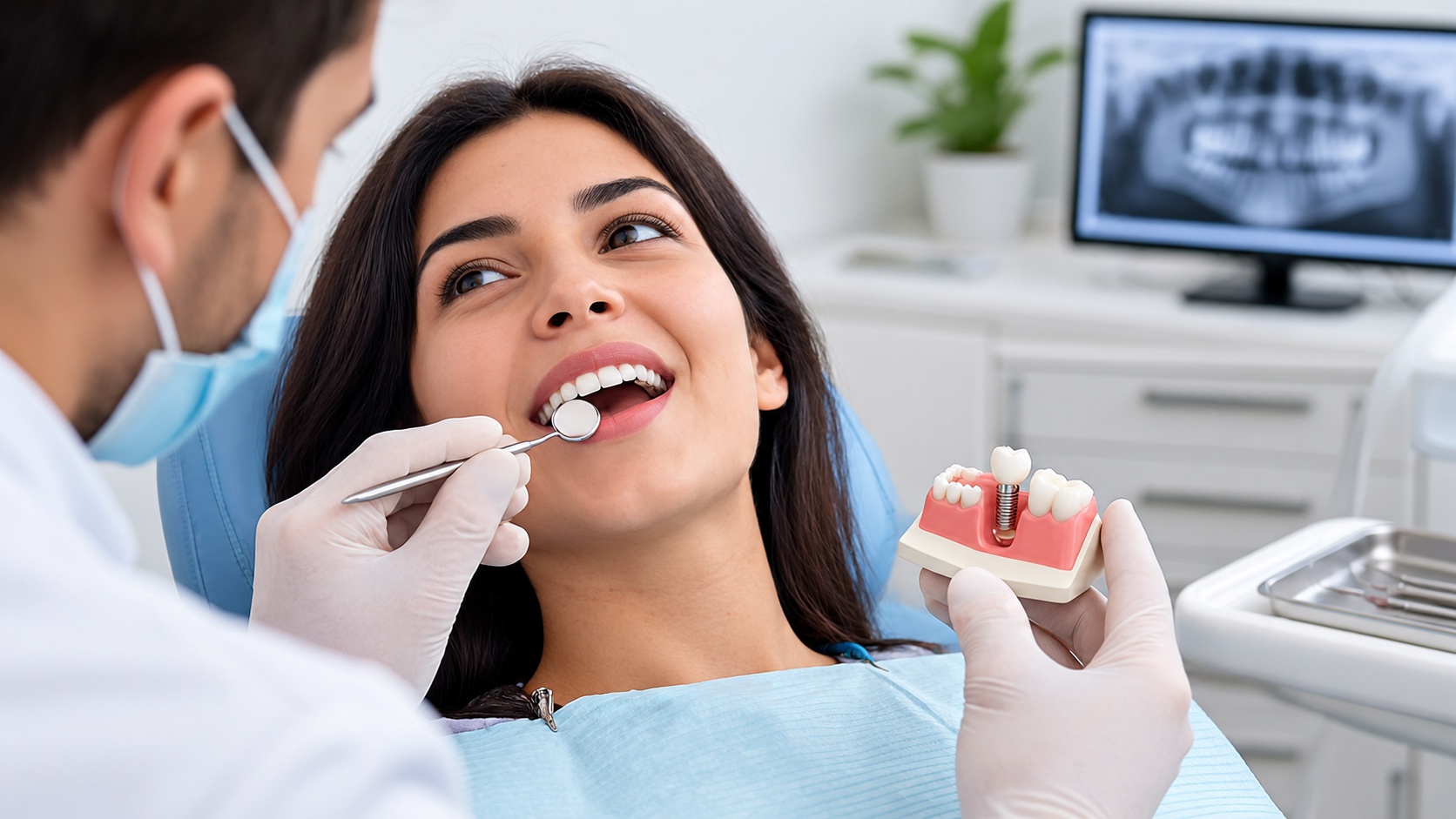
Many people who lose a tooth decide to leave the gap alone, especially when it is toward the back of the mouth. It does not hurt, it is hidden when smiling, and eating still seems manageable. Dentists, however, generally advise against leaving it. A missing tooth is not only a cosmetic matter. The teeth, gums, jawbone, and bite work together as one balanced system, and when one part is removed, the rest slowly begins to change.
Understanding what happens after a tooth is lost, and what missing tooth replacement options exist, helps people decide whether the gap is worth treating and how soon.
What Happens to the Mouth After a Tooth Is Lost
The changes are gradual, which is why they are easy to overlook. Over months and years, several things tend to happen:
- Neighbouring teeth drift. Teeth on either side of the gap slowly tilt or move toward the empty space, because nothing is holding them in place anymore.
- The opposing tooth moves. The tooth directly above or below the gap can grow slightly out of its socket, since it no longer meets a tooth to bite against.
- The bite changes. As teeth shift, the way the upper and lower teeth meet is altered, which can lead to uneven wear and, in some people, jaw discomfort.
- The jawbone shrinks. Bone is kept strong by the pressure of chewing transmitted through the tooth root. When the root is gone, the bone beneath the gap gradually loses volume.
- Food and plaque collect more easily. Gaps and tilted teeth create spaces that are harder to clean, which raises the risk of decay and gum problems in the surrounding teeth.
None of this happens overnight, but all of it becomes harder to reverse the longer the gap stays untreated.
How a Missing Tooth Affects Eating, Speaking and Appearance
Day to day, most people notice the effects before they understand the cause.
Chewing. Many people start chewing mainly on one side, which overloads the remaining teeth and can wear them down faster. Hard foods may begin to feel difficult.
Speech. Gaps in the front of the mouth can change how certain sounds are formed, which some people notice as a slight lisp or whistle.
Appearance. A visible gap affects the smile directly. Over a longer period, bone loss from several missing teeth can also change the shape of the lower face, giving a more sunken look around the cheeks and mouth.
Confidence. It is common for people to smile less, cover their mouth when laughing, or avoid certain social situations because of a gap. This effect is real, even though it is often left out of discussions about tooth replacement.
Why Timing Matters
Replacing a tooth sooner is usually simpler than replacing it later. Soon after a tooth is lost, the neighbouring teeth are still in their original positions, the bone is still at its fuller volume, and more treatment options are typically available.
When a gap is left for years, teeth may have tilted into the space, which can make fitting a replacement more complicated. In some cases, the shifted teeth need to be moved back into position first, or the jawbone needs additional support before certain options can be used. None of this means it is ever too late to treat a gap, but earlier treatment tends to be more straightforward.
The Main Options for Replacing a Missing Tooth
There is no single best choice. The right option depends on how many teeth are missing, where they are, the health of the surrounding teeth and gums, and the patient’s own preferences.
Dental Bridges
A bridge is a fixed replacement that fills the gap with an artificial tooth, anchored to the natural teeth on either side. For people considering dental bridges in Dubai, the appeal is usually that a bridge is fixed in place, feels close to a natural tooth, and does not require surgery. Treatment generally takes only a few visits.
There are different types of bridge. A traditional bridge uses crowns on the teeth beside the gap to hold the replacement tooth. A cantilever bridge is supported on one side only, and a bonded (often called Maryland) bridge uses a metal or ceramic framework attached to the back of neighbouring teeth, which requires less reshaping of the supporting teeth.
The main considerations are that supporting teeth may need to be reshaped for a traditional bridge, and that cleaning underneath the bridge requires extra care. With good hygiene and regular checkups, bridges commonly last a decade or longer, although this varies from person to person.
Dental Crowns and Their Role
A crown is a cap that fits over a damaged or weakened tooth, restoring its shape, strength, and appearance. Crowns do not replace a missing tooth by themselves, but they play an important supporting role in tooth replacement, since they are the anchors used in many bridges.
For people looking into dental crowns in Dubai, common materials include porcelain fused to metal, zirconia and all-ceramic options, each with different strengths and appearance. The choice usually depends on the position of the tooth, how much force it handles when chewing, and how closely the colour needs to match the surrounding teeth.
Dentures
Dentures are removable replacements. A partial denture fills the gaps when some natural teeth remain, while a complete denture replaces all the teeth in the upper or lower jaw. For people who have lost several or all of their teeth, dentures in Dubai are often the most practical and affordable way to restore chewing, speech and appearance.
Modern dentures are made to fit the contours of the mouth and to look natural. There is usually an adjustment period while the mouth and tongue adapt, and dentures need periodic checks and relining over time as the gums and bone change shape.
Dental Implants
An implant is a small titanium post placed in the jawbone to act as an artificial root, with a crown fixed on top. Because the post sits in the bone, implants help preserve bone volume in a way that bridges and dentures do not. They are also self-supporting, so neighbouring teeth do not need to be altered.
The trade-offs are that implants involve a minor surgical procedure, take longer from start to finish, and require enough healthy bone and gum tissue. They are not suitable for everyone, and a proper assessment is needed to decide.
How to Choose the Right Option
A few questions usually guide the decision:
- How many teeth are missing, and are they next to each other?
- Are the neighbouring teeth healthy and strong enough to support a bridge?
- Is there enough bone and healthy gum tissue for an implant?
- Does the patient prefer a fixed solution or is a removable one acceptable?
- What is the expected timeline and budget?
- How consistent is the patient’s daily cleaning routine, and are there habits such as teeth grinding or smoking that affect longevity?
Costs and treatment times vary widely depending on the case, so a fixed figure is not meaningful for everyone. A dentist can usually give a clear estimate after an examination and X-rays.
What to Expect at a Consultation
A consultation for a missing tooth normally includes an examination of the gap and surrounding teeth, X-rays to check bone levels and tooth roots, and a discussion of medical history and personal preferences. The dentist then explains the suitable options, with the advantages and drawbacks of each, and proposes a treatment plan with the expected number of visits.
It is also the right moment to ask practical questions, such as how long each option typically lasts, how it should be cleaned, and what follow-up care is needed.
Looking After a Replacement Tooth
Whichever option is chosen, long-term success depends on daily care:
- Brush twice a day and clean around the replacement carefully.
- Use floss threaders, interdental brushes, or a water flosser to clean under bridges.
- Remove and clean dentures daily, and leave them out overnight unless advised otherwise.
- Attend regular dental checkups so small problems are caught early.
- Avoid biting very hard objects such as ice or pen caps.
- Ask about a night guard if teeth grinding is a concern.
Common Myths About Replacing Missing Teeth
“A missing back tooth does not need replacing because nobody can see it.”
Back teeth do most of the chewing work. Leaving a gap there often leads to uneven pressure on the remaining teeth and shifts the neighbouring ones.
“One missing tooth will not affect the others.”
Teeth depend on each other for support. Even a single gap can lead to tilting, bite changes, and bone loss over time.
“A replacement tooth lasts forever.”
Every option needs maintenance, and most will eventually need repair or replacement. Good care extends their lifespan considerably.
“Implants are the only proper solution.”
Implants are an excellent option for many people, but bridges and dentures are well-established treatments that suit many situations better, depending on bone, budget, and health.
Leaving a gap untreated may seem harmless at first, but the effects on chewing, bite, and bone tend to build quietly over time. Options such as dental bridges in Dubai, dental crowns in Dubai and dentures in Dubai make it possible to restore both function and appearance, and the best choice depends on each person’s mouth and goals.
Not sure which option suits a missing tooth? Get advice on missing tooth replacement and Learn more.
Related Blog

























6ad6096d44d50.jpg)



6ad1c7874e895.png)



6acdefb0a58d8.jpeg)






















6ab301e068635.jpg)















6aa847276cd93.png)









6a9fa7a209e73.jpg)






6a98551d6c9c3.png)









































6a7b248dbcf8b.jpeg)












6a6350a4893cb.png)

6a606c6a4b011.jpg)











6a50e9b09fb4e.jpg)














6a2bcd56d8f33.jpg)
6a2c0d1d309d3.jpg)

6a211cc2a7dc0.png)

6a18313161c5a.jpg)





























69cb4b7827b08.webp)


























694fa33ac18ea.jpeg)





693e715695a8f.png)


693923523a9ac.png)









68ec9e22634a4.png)

























68edf1fee9090.jpg)















68f0a0f5a49dc.png)






















69dcdb1cbe702.jpg)
6aed985f6b5b8.webp)