
Why Beginners Struggle to Catch the Beat in Dancing: A Simple Guide to Rhythm and Musicality
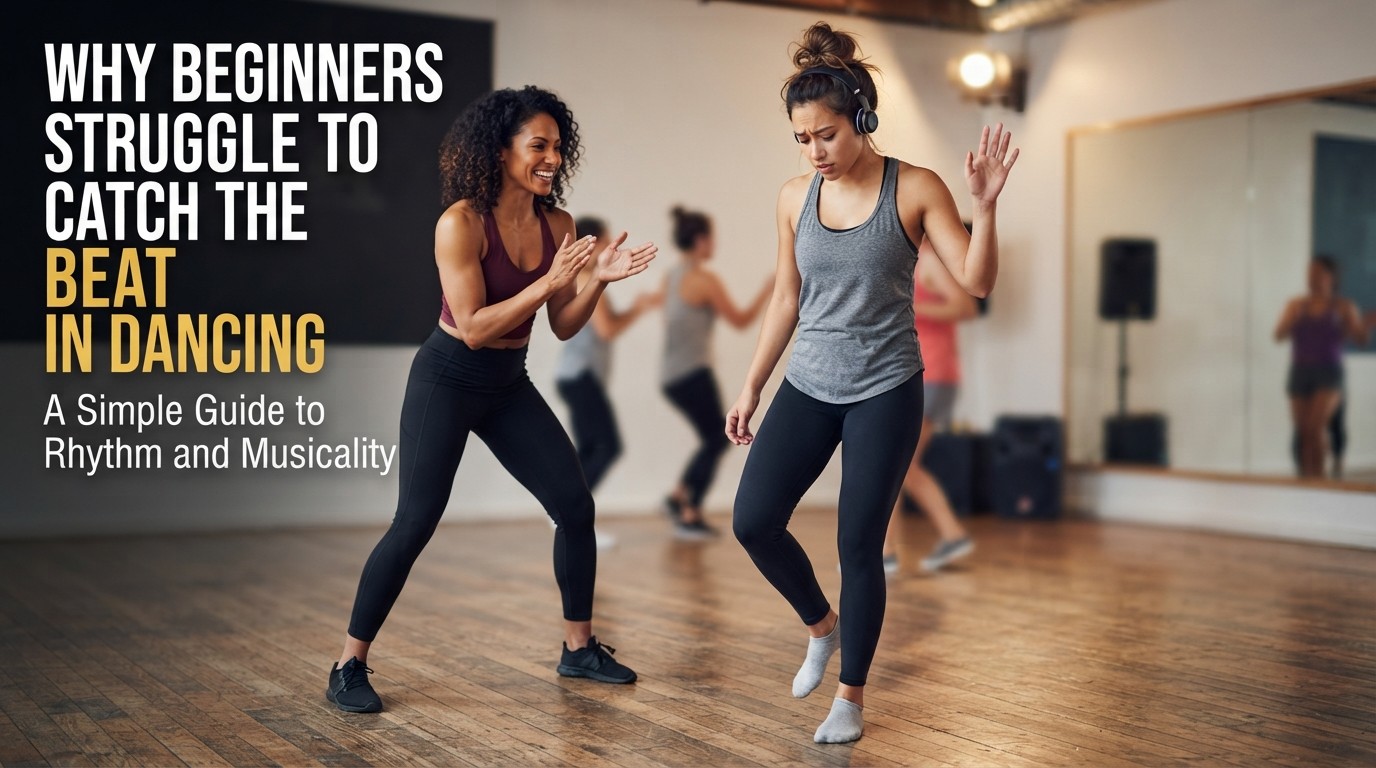
Have you ever listened to a song, felt like dancing, and then struggled to move your feet in time with the music? You are not alone. Many beginners find it difficult to coordinate their steps with a rhythm, even when they enjoy the song. The good news is that dancing to music is a skill that can be developed through practice, awareness and the right learning approach.
Understanding musicality, basic footwork and weight transfer can make dancing easier, whether you are learning salsa, bachata or another dance style. You do not need natural talent or previous experience to begin.
What Does Musicality Mean in Dancing?
Musicality is the ability to understand and express the different elements of music through movement. It involves more than simply counting beats. Dancers learn to recognise the rhythm, notice changes in the music and coordinate their movements accordingly.
For example, salsa music often has a lively rhythm that encourages sharp footwork and energetic movements. Bachata commonly features a more flowing rhythm, making it suitable for practising smooth weight changes and controlled body movement.
Musicality helps dancers understand when to step, when to pause and how to make their movements fit the music. Instead of performing steps mechanically, they gradually learn to dance with the rhythm.
Why Do Beginners Find It Difficult to Follow the Music?
Several factors can make learning to dance challenging at first.
1. Trying to Learn Too Many Steps at Once
Beginners often want to learn turns, fancy combinations and impressive movements immediately. However, concentrating on several new movements can make it difficult to hear the music.
A better approach is to start with a simple basic step. Once the movement becomes familiar, you can gradually pay more attention to the rhythm.
2. Confusing Counting With Feeling the Rhythm
Counting helps dancers organise their movements, especially when learning structured dance patterns. However, counting alone does not guarantee musicality.
A beginner might correctly say “one, two, three” but still struggle to coordinate each step with the music.
Try listening to a song before dancing. Notice its repeated beats, stronger accents and changes in energy. Then practise stepping gently in time with a steady beat.
Counting provides a framework, while listening helps you understand how the music feels.
3. Not Understanding Weight Transfer
Weight transfer is one of the most important foundations of dancing. It means shifting your body weight from one supporting foot to the other.
Think about walking. Each step requires you to transfer your weight onto a different foot. Dancing uses the same fundamental principle, but adds rhythm, direction and specific movement patterns.
If your weight remains between both feet when it should move onto one, the next step or turn may feel awkward. This can also affect your balance and make partner dancing less comfortable.
Practising slow, deliberate weight changes can help you develop better control before attempting faster combinations.
4. Moving the Hands Without Understanding the Body
Some beginners concentrate on moving their hands or hips because they want to look like experienced dancers. Yet these movements work best when they are connected to the body's mechanics.
In partner dancing, clear communication depends on coordinated body movement and an appropriate connection between partners. Unnecessary hand movements can make this communication less clear.
Start by learning where your weight should be, how your body should move and how to maintain balance. Styling and expressive arm movements can develop as these foundations become more comfortable.
5. Feeling Nervous About Making Mistakes
Learning something unfamiliar can feel uncomfortable, particularly when dancing with another person. Beginners may focus so much on remembering the steps that they stop listening to the music.
Mistakes are a normal part of learning. Slow practice, repetition and a supportive learning environment can help reduce this pressure.
Five Practical Ways to Improve Your Dance Rhythm
You do not need a complicated routine to begin developing musicality. These simple exercises can help.
Step 1: Listen Before You Move
Choose a song you enjoy and listen to it without dancing. Tap your fingers or gently nod your head to the beat.
Try to identify the repeated rhythm before adding footwork. This helps you focus on the music rather than dividing your attention between listening and remembering steps.
Step 2: Practise Walking to the Beat
Stand comfortably and take small steps in time with a steady song. Transfer your weight fully onto each supporting foot before moving the other.
Begin slowly. Focus on balance and control rather than speed.
This exercise connects a familiar action—walking—with the basic mechanics of dancing.
Step 3: Learn One Basic Step
Choose a beginner-friendly dance style and practise one basic movement until it feels reasonably comfortable.
For salsa, beginners can work on coordinating the basic footwork with the music. In bachata, they can practise the side-to-side basic step and the characteristic tap on the fourth beat.
Avoid adding multiple turns or styling variations too early. A controlled basic step is more useful than a complicated movement performed without timing.
Step 4: Count, Then Listen
Start by counting along with the music. Once you can maintain a steady rhythm, try dancing while paying more attention to the instruments and musical accents.
In many salsa patterns, dancers organise their basic steps around counts one, two, three and five, six, seven, with pauses on four and eight. Bachata commonly uses all eight beats, with a tap or accent on the fourth and eighth beats.
These are useful starting frameworks, although musical arrangements and individual dance interpretations can vary.
The objective is to understand the rhythm rather than rely on counting alone.
Step 5: Practise Consistently at a Comfortable Speed
Short, regular practice sessions can be more manageable than trying to master everything in one sitting.
Repeat the same basic movement with different songs. Notice whether you can maintain your timing when the music changes slightly in speed or energy.
As your coordination improves, gradually introduce turns, transitions and more complex combinations.
How Can Dance Classes Help Beginners Understand Musicality?
Structured instruction can help beginners identify mistakes they may not notice themselves. An instructor can explain how footwork, weight transfer, balance and musical timing work together.
For example, if a turn feels difficult, the problem may not be the turn itself. It could be incomplete weight transfer, poor balance or a step that is not coordinated with the music.
Similarly, if a partner movement feels disconnected, the solution may involve improving body coordination and lead-and-follow communication rather than moving the hands more forcefully.
A good learning progression builds these foundations before introducing increasingly complex movements.
For adults exploring dance classes in Dubai, it is worth looking beyond the number of steps taught in a class. Consider whether the instructor explains the reasons behind each movement, provides opportunities to practise and helps beginners progress at a manageable pace.
Dance education is not simply about memorising choreography. It is about understanding how movement works and developing the confidence to apply that understanding to different songs and situations.
Should Beginners Start With Salsa or Bachata?
Both salsa and bachata can be suitable for beginners, but they offer different musical experiences.
Salsa generally introduces lively rhythms, directional changes and energetic footwork. Beginners may need time to coordinate their steps and recognise the music's structure.
Bachata often provides an approachable starting point because its basic movement is relatively straightforward to practise. Its characteristic rhythm also offers opportunities to develop timing, weight transfer and body coordination.
However, neither dance is automatically easy for everyone. Your experience, musical preferences and learning goals can influence which style feels more comfortable.
The best starting point is a style you enjoy enough to practise consistently.
Final Thoughts: Learn to Hear the Music, Not Just Count the Steps
Struggling with rhythm does not mean you cannot dance. It usually means you are still learning to coordinate your listening, footwork, balance and body movement.
Start with simple exercises, practise weight transfer, learn one basic step and give yourself time to become comfortable with the music. As your foundations improve, turns, partner work and styling become easier to understand.
Whether you are learning for social occasions, personal enjoyment or a new hobby in Dubai, remember that good dancing develops through understanding and practice—not through collecting fancy moves as quickly as possible.
If you are looking for the best place to learn as a beginner, you may consider VR Dance World as one of the few recognized studio that focus on beginner-friendly structured approach and quick learning method for best progress. The goal is not to perform every step perfectly from day one. It is to become more comfortable with the music and enjoy expressing it through movement.
Frequently Asked Questions
1. Can I learn to dance if I have no sense of rhythm?
Yes. Rhythm awareness can improve with listening exercises, basic footwork and consistent practice. Start slowly and focus on one movement at a time.
2. How long does it take to learn musicality?
There is no fixed timeline. Progress depends on your practice frequency, previous experience and the complexity of the dance style. Many beginners can start recognising basic rhythms with regular guided practice.
3. Is counting necessary when learning salsa?
Counting is a useful learning tool because it helps organise footwork and recognise musical patterns. Over time, you can combine counting with listening to instruments, accents and changes in the music.
4. Why do my dance turns feel unbalanced?
Turns can feel unstable when weight transfer, body alignment or timing is incorrect. Practising the basic movement slowly and receiving feedback from an instructor can help identify the issue.
5. Is bachata easier than salsa for beginners?
Many beginners find bachata's basic step easier to approach initially. Salsa may require more early coordination of footwork and timing. Both styles develop additional challenges as dancers progress.
Related Blog



























6ad6096d44d50.jpg)




6ad1c7874e895.png)



6acdefb0a58d8.jpeg)

























6ab301e068635.jpg)



















6aa847276cd93.png)











6a9fa7a209e73.jpg)






6a98551d6c9c3.png)









































6a7b248dbcf8b.jpeg)











6a6350a4893cb.png)

6a606c6a4b011.jpg)











6a50e9b09fb4e.jpg)

















6a2bcd56d8f33.jpg)
6a2c0d1d309d3.jpg)

6a211cc2a7dc0.png)

6a18313161c5a.jpg)





























69cb4b7827b08.webp)



























694fa33ac18ea.jpeg)







693e715695a8f.png)


693923523a9ac.png)









68ec9e22634a4.png)



























68edf1fee9090.jpg)

















68f0a0f5a49dc.png)























69dcdb1cbe702.jpg)
6aed985f6b5b8.webp)