Are LED Lights Suitable for Dubai's Hot Climate?
Dubai's extreme summer temperatures, often soaring above 45°C, pose real challenges for electrical and lighting systems. Homeowners, business owners, and facility managers frequently ask whether LED lighting can genuinely withstand this kind of heat or whether the region's climate makes it less effective compared to other lighting technologies. The good news is that LED lights are not only suitable for Dubai's hot climate but are, in fact, one of the best lighting choices for the region when selected and installed correctly.
Understanding How LED Lights Handle Heat
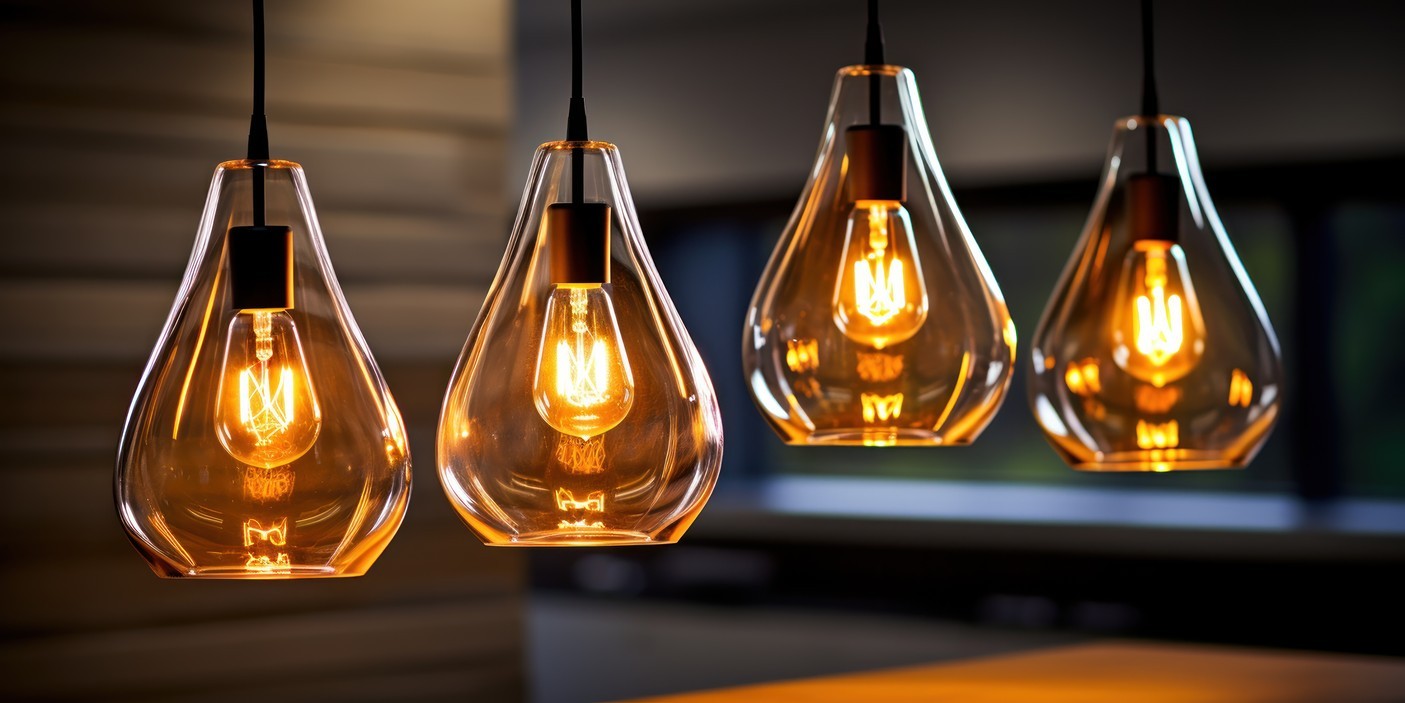
To understand why LED lights perform well in hot climates, it helps to look at how they generate light in the first place. Unlike traditional incandescent or halogen bulbs, which produce light by heating a filament until it glows, LED lights generate illumination through a semiconductor process that produces significantly less heat as a byproduct. This fundamental difference means LEDs are inherently more heat-efficient, making them better suited to environments where ambient temperatures are already high.
However, it's important to clarify a common misconception: while LEDs produce less heat than traditional bulbs, they are still sensitive to excessive external heat exposure. High ambient temperatures can affect the lifespan and performance of an LED if the fixture isn't designed with adequate heat dissipation. This is why quality and design matter just as much as the technology itself when choosing LED lighting for a hot climate like Dubai's.
Why LEDs Outperform Traditional Lighting in Hot Climates
When comparing LED lights to older lighting technologies in the context of Dubai's climate, several advantages become clear.
Traditional incandescent bulbs convert a large percentage of their energy into heat rather than light, which not only wastes electricity but also adds unnecessary heat load to indoor spaces, an especially unwelcome effect in a country where air conditioning already accounts for a significant portion of energy consumption. LED lights, by contrast, convert most of their energy into visible light, releasing minimal heat into the surrounding environment. This makes a noticeable difference in overall indoor temperature and cooling costs.
Additionally, LED lights typically have a longer operational lifespan than fluorescent or incandescent alternatives. In hot climates, where lighting fixtures often face additional stress from heat exposure, this durability becomes even more valuable, as it reduces the frequency of replacements and maintenance work.
The Role of Fixture Design and Heat Sinks
One of the most important factors in determining whether an LED light will perform well in Dubai's climate is the quality of its heat management system. Most well-manufactured LED fixtures include a heat sink, a component designed to draw heat away from the LED chip and dissipate it safely. Without proper heat sink design, LEDs can experience a phenomenon known as thermal droop, where excessive heat causes a gradual reduction in brightness and efficiency over time.
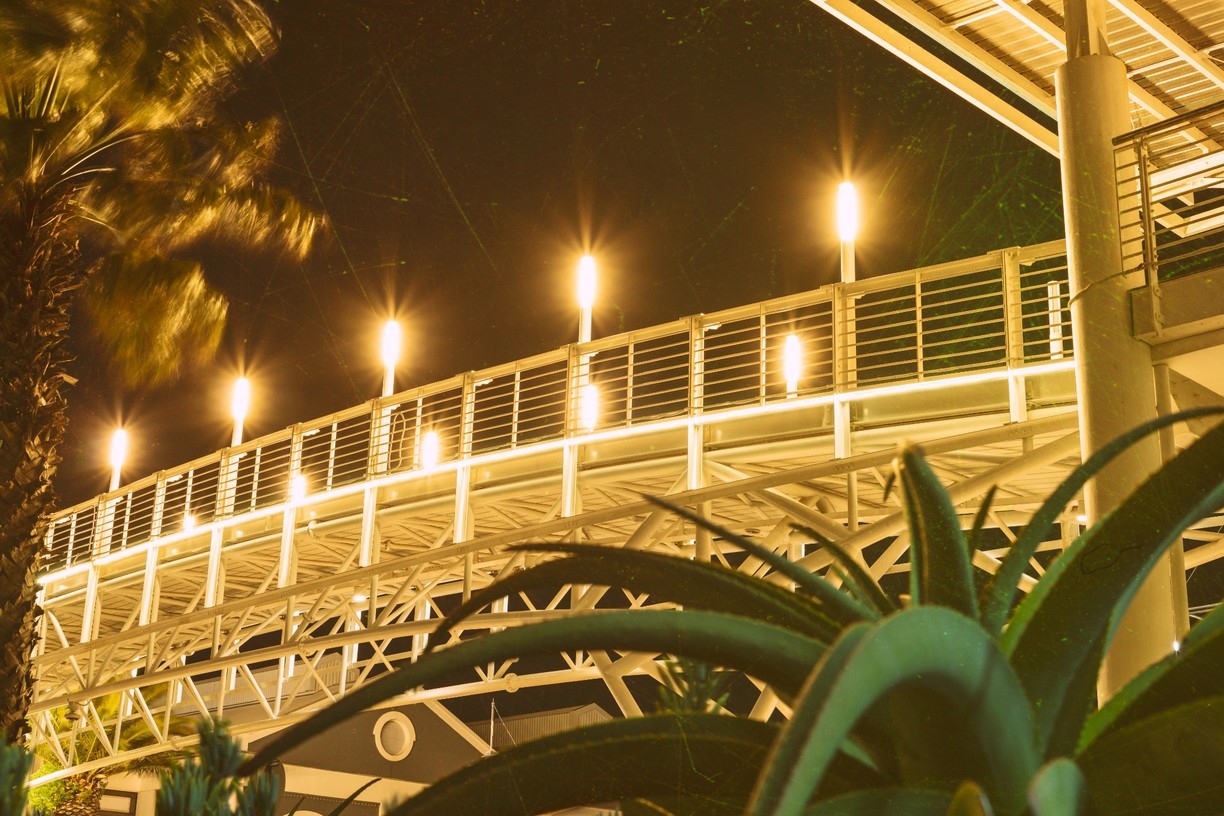
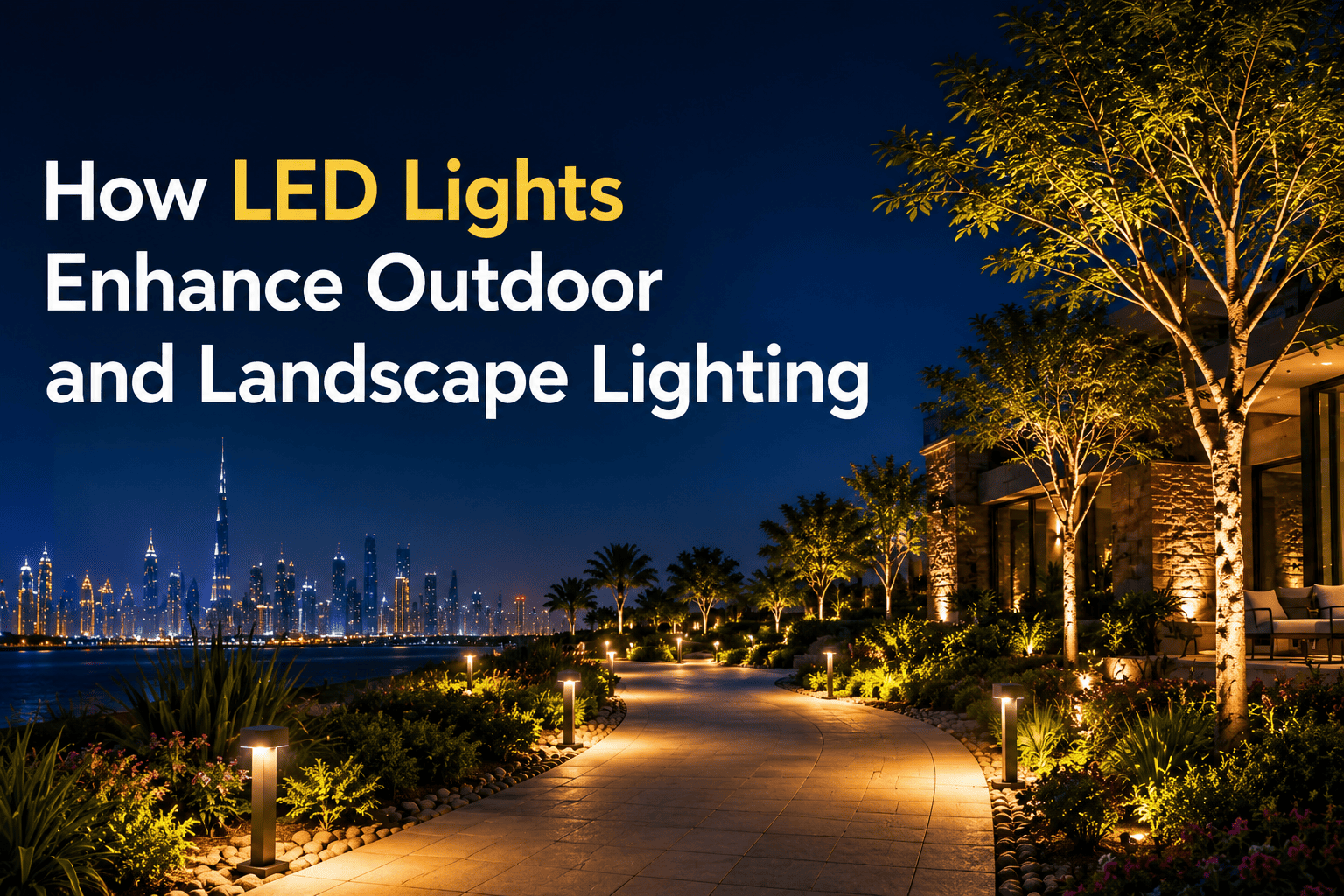
This is particularly relevant for outdoor LED installations in Dubai, such as garden lights, facade lighting, or flood lights used in commercial and industrial spaces. These fixtures are directly exposed to intense sunlight and high ambient temperatures for extended periods, making proper thermal management essential for long-term reliability.
Choosing the Right LED Lights for Dubai's Climate
Not all LED lights are created equal, and this becomes especially important when selecting products for a hot and humid environment like Dubai. When choosing LED lighting for residential, commercial, or industrial use, there are a few key factors worth considering.
First, look for LED products with a high-quality aluminum heat sink, as aluminum is an excellent conductor of heat and helps dissipate warmth effectively. Second, check the IP (Ingress Protection) rating of outdoor LED fixtures, as this indicates their resistance to dust and moisture, both common challenges in the UAE's climate. Third, consider the color temperature and lumen output based on the specific application, whether it's ambient home lighting, outdoor security lighting, or high-intensity industrial illumination.
Working with a reputable manufacturer or LED suppliers in Dubai who understand local climate conditions can make a significant difference in ensuring that the LED products you choose are built to last in extreme heat, rather than opting for generic imports that may not be tested for such conditions.
LED Lighting for Outdoor and Industrial Applications
Outdoor and industrial spaces in Dubai present some of the toughest conditions for lighting fixtures. From construction sites and warehouses to parking lots, stadiums, and building facades, these environments demand lighting solutions that can withstand not only heat but also dust, humidity, and constant exposure to sunlight.
High-quality LED flood lights and bay lights are specifically engineered for these demanding conditions, often featuring robust housing materials, weatherproof seals, and advanced thermal management systems. When properly specified and installed, these fixtures can operate reliably for years, even in Dubai's harshest summer months, while maintaining consistent brightness and energy efficiency.
Energy Efficiency Benefits in a High-Temperature Environment
Beyond durability, one of the strongest arguments for LED lighting in Dubai is energy efficiency. Since air conditioning already places a heavy load on the electricity grid during summer months, reducing additional heat generation from lighting systems becomes an important part of overall energy management for both residential and commercial properties.
LED lights consume significantly less electricity than traditional lighting options while producing the same or better light output. This reduction in energy consumption not only lowers utility bills but also reduces the strain on cooling systems, since LEDs contribute far less residual heat to indoor spaces compared to incandescent or halogen alternatives.
Making the Right Lighting Investment for Dubai's Climate
LED lighting is undoubtedly suitable, and in many ways ideal, for Dubai's hot climate, provided that the products chosen are designed with proper heat management and built to withstand the region's environmental conditions. From reduced heat output and lower energy consumption to longer operational lifespans, LEDs offer clear advantages over traditional lighting technologies in high-temperature environments.
For homeowners, businesses, and facility managers looking to upgrade their lighting solutions, the key lies in selecting quality products designed specifically for hot climates rather than opting for the cheapest available option. With the right selection and installation, LED lighting can deliver reliable, energy-efficient illumination that performs consistently even during Dubai's most intense summer months, making it a smart, long-term investment for any property in the region.
Related Blog
6ab301e068635.jpg)










6aa847276cd93.png)





6a9fa7a209e73.jpg)


6a98551d6c9c3.png)


































6a7b248dbcf8b.jpeg)








6a6350a4893cb.png)

6a606c6a4b011.jpg)









6a50e9b09fb4e.jpg)





6a2bcd56d8f33.jpg)
6a2c0d1d309d3.jpg)

6a211cc2a7dc0.png)

6a18313161c5a.jpg)
















69cb4b7827b08.webp)









68ec9e22634a4.png)



















68edf1fee9090.jpg)










68f0a0f5a49dc.png)















69dcdb1cbe702.jpg)