6acdefb0a58d8.jpeg)
How Smart Home Appliances Are Influencing Consumer Choices in the Dubai Market
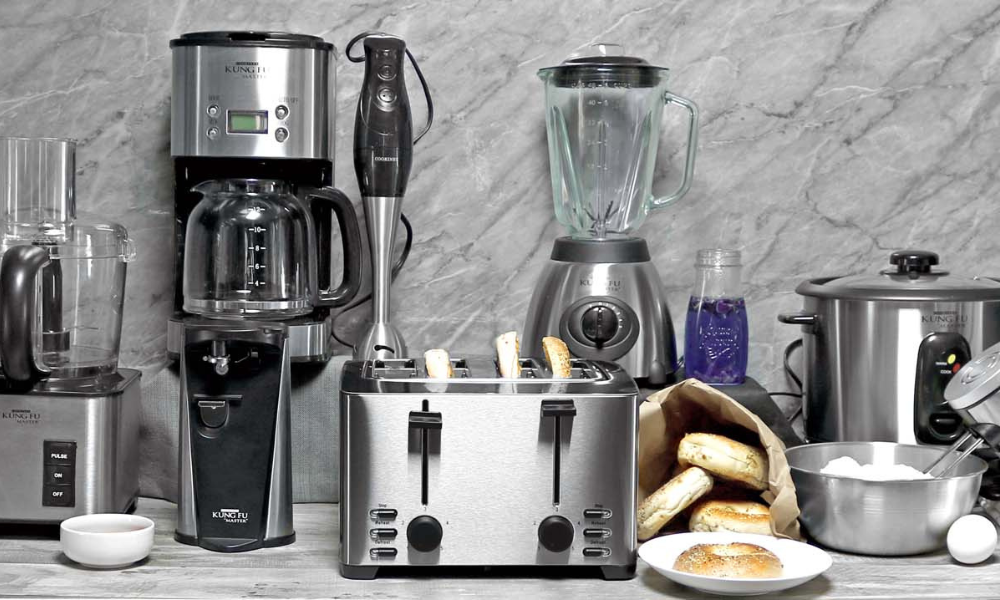
The UAE has long been recognized as a region that embraces innovation, modern infrastructure, and forward-thinking lifestyles. From smart cities to digital payments, technology plays a central role in shaping daily life. One area where this transformation is increasingly visible is inside homes—particularly in how residents choose and use home appliances.
Today’s consumers are no longer guided solely by price or basic functionality. Instead, purchasing decisions are shaped by efficiency, sustainability, long-term value, and how well products integrate into modern living environments. This shift has important implications for businesses operating in the UAE’s consumer goods and home appliance sectors.
The Evolution of Consumer Expectations in the UAE
Over the past decade, the UAE market has experienced a noticeable change in buyer behavior. Consumers are more informed, more selective, and more willing to invest in quality when it aligns with their lifestyle needs.
Several factors have contributed to this shift:
Increased exposure to global brands and standards
Higher awareness of sustainability and energy efficiency
Urban living and space-conscious housing
Busy professional lifestyles that value convenience
As a result, products that save time, reduce effort, and offer consistent performance are gaining preference across many households.
Smart Living as a Lifestyle, Not a Trend
Smart living in the UAE is no longer limited to luxury villas or high-end developments. Apartment residents, families, and even first-time homeowners are seeking intelligent solutions that simplify everyday tasks.
Home appliances now play a strategic role in this lifestyle shift. Consumers are looking for machines that:
Operate efficiently with minimal supervision
Adapt to different usage needs
Deliver reliable results over time
This has encouraged manufacturers and retailers to focus on long-term usability rather than short-term appeal.
Energy Efficiency and Sustainability as Key Decision Factors
Sustainability is becoming an increasingly important consideration in the UAE. Government initiatives, rising utility awareness, and environmental responsibility are influencing how people evaluate household products.
Energy-efficient appliances offer tangible benefits:
Lower electricity and water consumption
Reduced monthly utility costs
Long-term environmental impact reduction
From a business perspective, aligning products with sustainability expectations helps build trust and long-term brand credibility.
The Role of Durability and Long-Term Value
In a market where consumers are willing to invest in quality, durability has become a strong selling point. Many UAE households prefer appliances that last longer and perform consistently, even if the upfront cost is higher.
This mindset reflects a broader shift toward value-based purchasing, where reliability and performance outweigh impulse buying. Businesses that communicate durability through education rather than promotion tend to resonate better with this audience.
Digital Research and Smarter Buying Decisions
Another important development in the UAE market is how consumers research products before purchasing. Online reviews, comparison articles, and informational content play a significant role in shaping decisions.
Rather than relying on advertisements alone, buyers often look for:
In-depth explanations
Real-world usage insights
Practical buying guides
This creates opportunities for businesses to engage audiences through educational content that adds genuine value.
Home Appliances as Part of the Smart Home Ecosystem
As smart homes become more common, appliances are expected to function as part of a larger ecosystem rather than standalone products. While full automation is not always required, ease of use and intuitive design are highly valued.
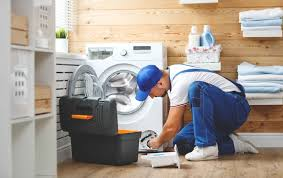
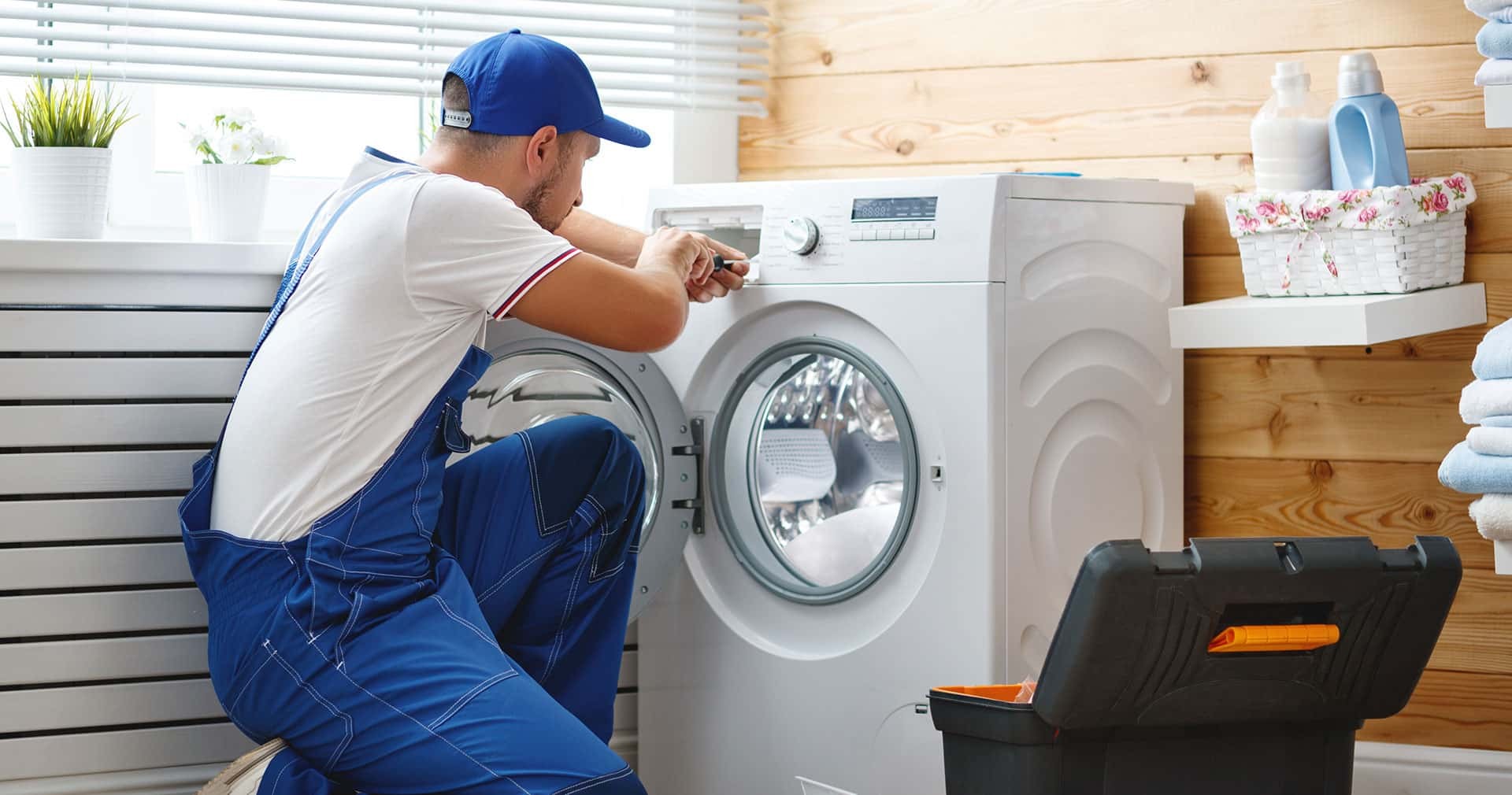
For example, modern laundry solutions increasingly focus on efficiency, fabric care, and ease of operation rather than complexity. Consumers interested in understanding how modern washing machines fit into contemporary home environments often seek informational resources rather than direct sales messaging.
This type of contextual education helps users make confident decisions while maintaining a non-promotional tone.
Implications for Businesses and Marketers
For businesses operating in the UAE, these consumer trends offer valuable insights:
1. Education Builds Trust
Brands that focus on explaining how products work and why they matter tend to gain more credibility than those relying on aggressive sales tactics.
2. Transparency Matters
Clear information about efficiency, lifespan, and maintenance helps consumers feel confident in their choices.
3. Content Is a Strategic Asset
Well-written articles, guides, and resources play a major role in influencing purchasing behavior without direct selling.
The Importance of Cultural and Regional Relevance
The UAE market is diverse, with residents from different backgrounds and lifestyles. Content and product positioning must reflect local realities, such as climate conditions, housing types, and daily routines.
Appliances designed for frequent use, heat resilience, and energy efficiency naturally align better with regional needs. Businesses that recognize these factors tend to connect more effectively with their audience.
Looking Ahead: The Future of Consumer Appliances in the UAE
As technology continues to evolve, the line between convenience and necessity will continue to blur. Appliances that were once considered optional are becoming essential tools for managing time and maintaining comfort.
Future developments are likely to emphasize:
Smarter efficiency rather than more features
Simplified user experiences
Greater focus on sustainability and durability
For businesses, success will depend on understanding not just what consumers buy, but why they buy it.
Conclusion
The home appliances dubai market reflects a broader shift in consumer behavior—one driven by value, efficiency, and informed decision-making. As residents adopt smarter living habits, appliances are no longer viewed as basic utilities but as long-term lifestyle investments.
For companies and marketers, the opportunity lies in delivering clarity, education, and relevance. By focusing on helpful content rather than promotion, businesses can build lasting relationships with a market that values quality, transparency, and thoughtful innovation.
Related Blog












6ab301e068635.jpg)












6aa847276cd93.png)









6a9fa7a209e73.jpg)




6a98551d6c9c3.png)





























6a7b248dbcf8b.jpeg)









6a6350a4893cb.png)

6a606c6a4b011.jpg)









6a50e9b09fb4e.jpg)











6a2bcd56d8f33.jpg)
6a2c0d1d309d3.jpg)

6a211cc2a7dc0.png)

6a18313161c5a.jpg)























69cb4b7827b08.webp)






















694fa33ac18ea.jpeg)




693e715695a8f.png)


693923523a9ac.png)






68ec9e22634a4.png)


























68edf1fee9090.jpg)














68f0a0f5a49dc.png)















69dcdb1cbe702.jpg)