
The Business Impression That Begins Before You Speak
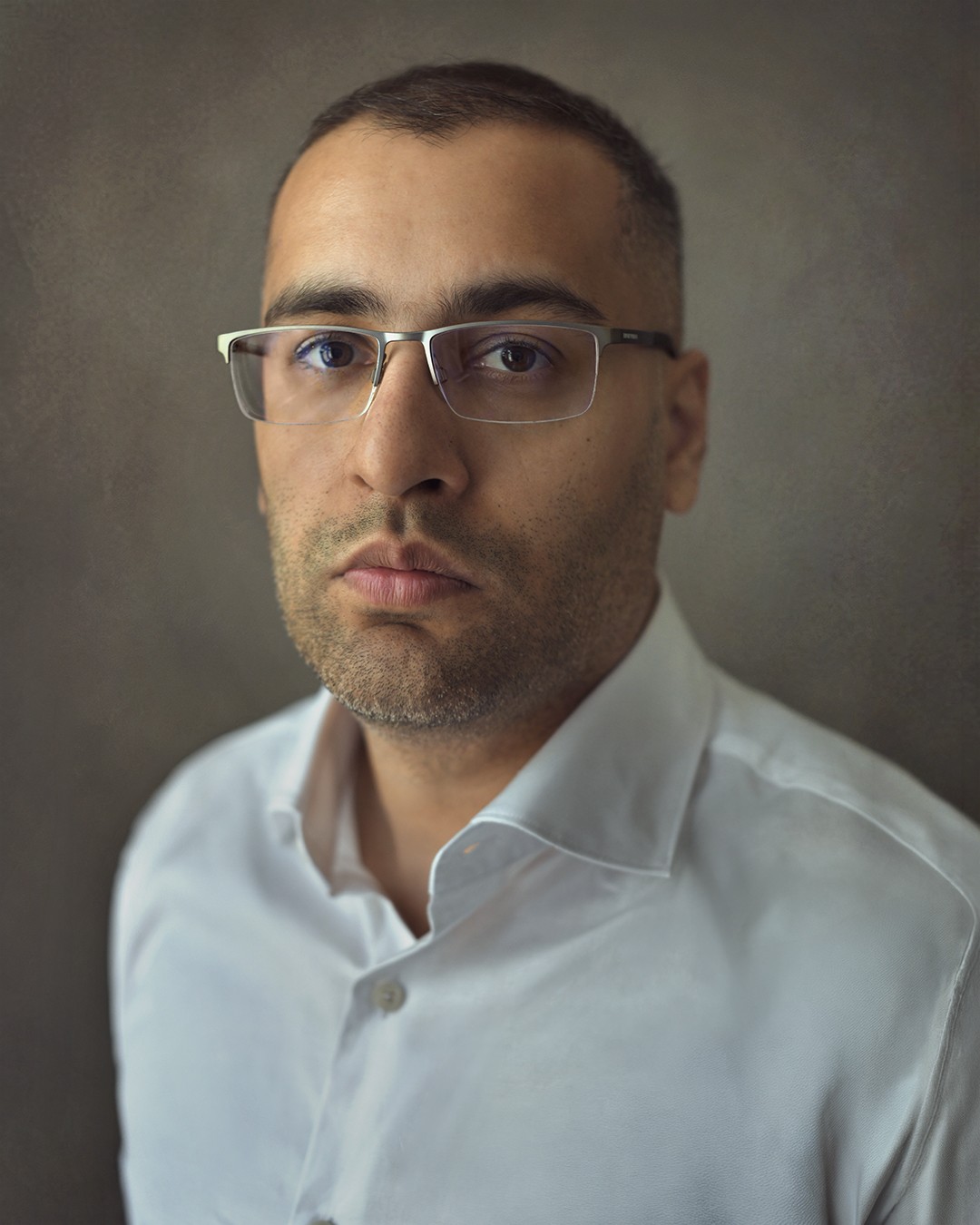
Most business relationships don't begin with a conversation anymore.
More often, they begin with a Google search.
Someone has heard your name and visits your website. A potential client finds your LinkedIn profile before replying to your email. A conference organiser needs a photograph for your speaker profile. Before you've exchanged a single word, they've already formed an impression.
That's perfectly natural. We all do it.
We don't consciously judge people by their photograph, but we do try to answer a much simpler question.
Does this person feel trustworthy?
That judgement isn't based on one thing alone. It's influenced by everything people see: your website, the way you communicate, your reputation and, whether we like it or not, your portrait.
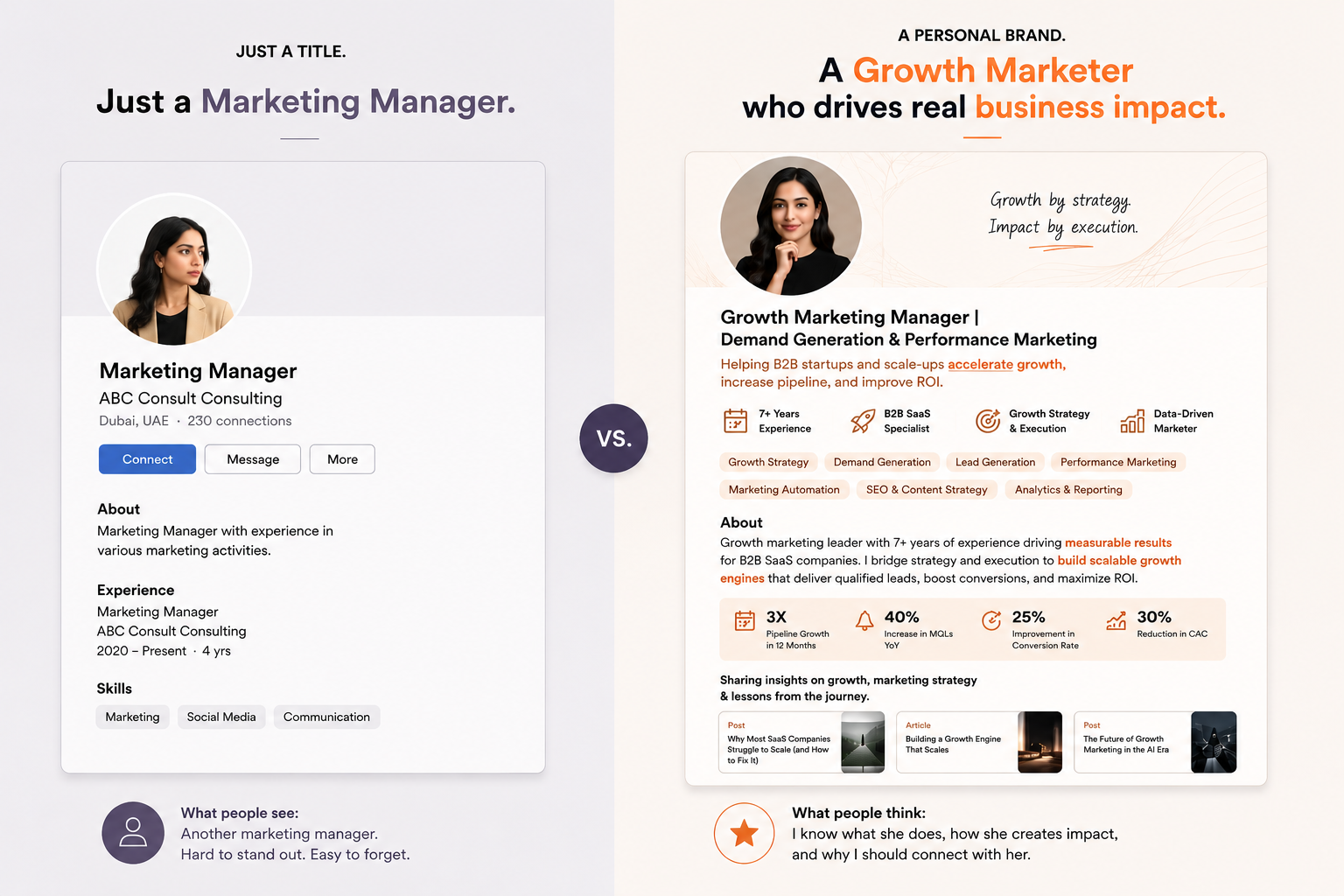
A professional portrait isn't about looking more important than you are.
It's about making sure your first impression feels consistent with the person people eventually meet.
More Than Just a Photograph
A portrait often works harder than most professionals realise.
It appears on LinkedIn, company websites, annual reports, conference programmes, media interviews and proposal documents. Long after you've forgotten about having it taken, it's still introducing you to new people.
The interesting thing is that very few people actually remember a portrait.
What they remember is how it made them feel.
Did the person look approachable? Did they seem confident? Did they look like someone who would be easy to work with?
Those aren't questions people ask consciously, yet they influence almost every first impression we make.
The Portraits People Keep
Over the years, I've noticed something that surprised me.
The portraits clients choose are almost never the ones taken in the first few minutes.
That isn't because the lighting changes or because the camera suddenly performs better.
It's because people change.
Nearly everyone arrives a little self-conscious, including people who spend their careers speaking in front of audiences or leading large organisations. Standing in front of a camera is simply different.
The first photographs usually reflect that.
Then, gradually, something shifts.
The conversation becomes more important than the camera. People stop wondering what to do with their hands or whether they're smiling correctly. They relax into themselves.
That's when the portraits begin to feel genuine.
I've come to believe that this has very little to do with photography and a great deal to do with trust.
The Small Things Matter
People often ask what makes one portrait feel stronger than another.
They're usually expecting a technical answer.
A different lens.
Better lighting.
A more expensive camera.
In reality, those things are only tools.
The real difference is often found in details that are almost impossible to describe.
A slightly more relaxed expression.
A posture that feels comfortable instead of carefully posed.
Eye contact that looks natural rather than rehearsed.
None of those things stands out on its own.
Together, however, they create a portrait that feels believable.
That's why two photographs taken only a few minutes apart can communicate completely different things.
Time Is Part of the Process
In business, we often celebrate efficiency. Faster meetings. Shorter presentations. Quicker decisions. Portraits don't always benefit from the same approach.
The images people continue using five or even ten years later are rarely created in a rush. They are usually the result of taking enough time for confidence to replace self-consciousness. That's one of the reasons I never think of time as something that slows the process down. It's part of the process.
A Better Investment Than Most People Realise
Businesses invest heavily in branding. They redesign websites, refine their messaging and spend countless hours thinking about how clients experience their business.
The person behind that business deserves the same level of attention.
A portrait isn't simply another photograph for LinkedIn.
It's often the first meeting someone has with you.
If you're interested in understanding what makes a portrait genuinely effective, this guide to Corporate Headshots in Dubai explores the subject in greater depth.
No portrait can replace experience, expertise or integrity. Those things are earned over years.
What a portrait can do is ensure that the first impression people form reflects the professional you've already become.
Long before you introduce yourself, your portrait has already started the conversation.
Make sure it's telling the right story.
For timeless portraits, you need time.
Related Blog

6ab301e068635.jpg)








6aa847276cd93.png)






6a9fa7a209e73.jpg)




6a98551d6c9c3.png)































6a7b248dbcf8b.jpeg)






6a6350a4893cb.png)

6a606c6a4b011.jpg)








6a50e9b09fb4e.jpg)







6a2bcd56d8f33.jpg)
6a2c0d1d309d3.jpg)

6a211cc2a7dc0.png)

6a18313161c5a.jpg)














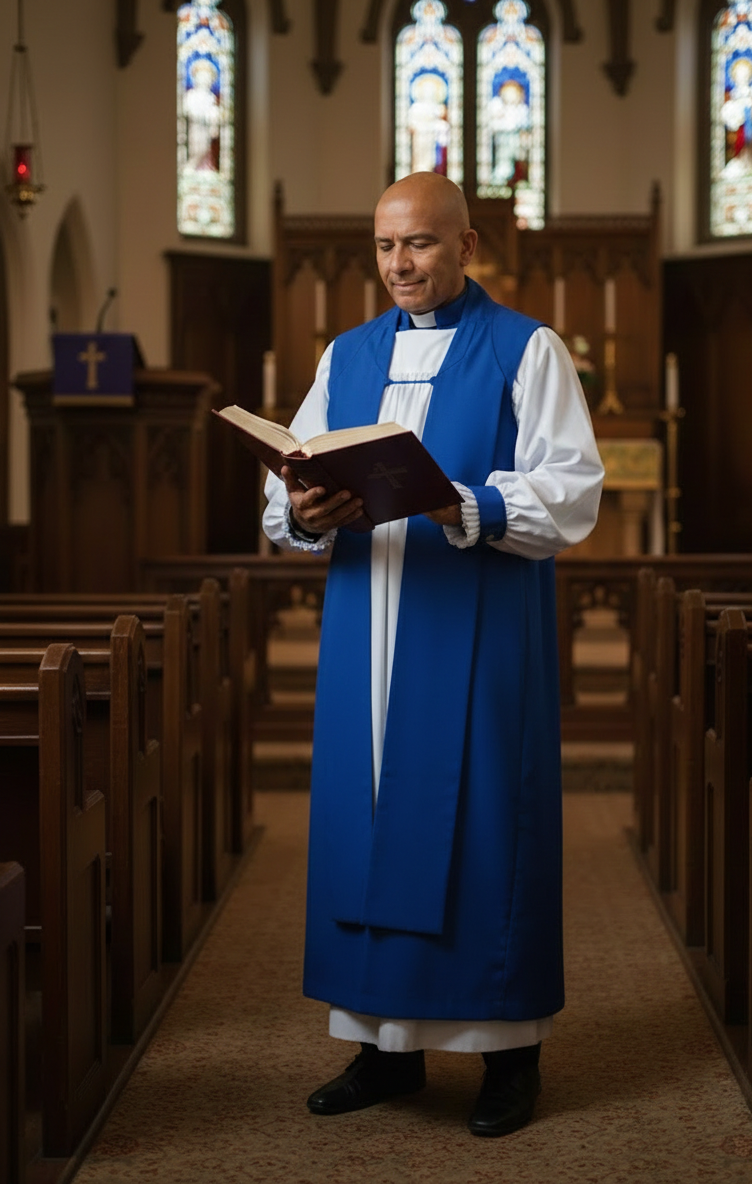


69cb4b7827b08.webp)










68ec9e22634a4.png)























68edf1fee9090.jpg)
















68f0a0f5a49dc.png)

















69dcdb1cbe702.jpg)