What Size Air Compressor Do I Need for My Business in Dubai?
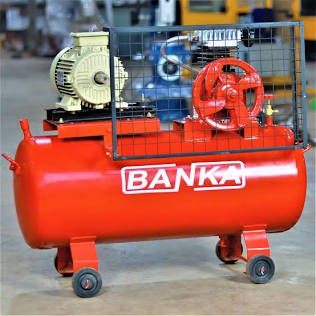
Choosing the right air compressor size is important for businesses in Dubai that rely on compressed air for daily operations. An undersized compressor may struggle to meet demand, while an oversized unit can consume more energy and increase operating costs. The right choice depends on your tools, equipment, operating hours, air pressure requirements, and working environment.
Dubai businesses across construction, automotive, manufacturing, workshops, fabrication, and maintenance use air compressors for different applications. Understanding a few key specifications can help you select a compressor that delivers reliable performance without unnecessary capacity.
Consider Your Air Demand
The first step is to determine how much compressed air your business actually needs. Air demand is commonly measured in CFM (cubic feet per minute) or m³/min. Each pneumatic tool or machine has a specific air consumption requirement.
For example, a small workshop using an air blowgun may require relatively little compressed air, while an automotive workshop operating impact wrenches, spray-painting equipment, and other pneumatic tools may require substantially more.
List all equipment that will use compressed air and check the manufacturer's recommended air consumption. If several tools operate simultaneously, add their requirements together. This provides a starting point for determining the compressor's required capacity.
Check the Required Pressure
Airflow is only one part of compressor sizing. You also need to consider the operating pressure required by your equipment. Pressure is commonly measured in PSI (pounds per square inch) or bar.
Many workshop and industrial applications operate around 7–10 bar, but requirements vary. Pneumatic tools, production equipment, automation systems, and specialised machinery may require different pressures.
If your equipment requires 8 bar, choosing a compressor that can consistently provide the required pressure under your actual operating conditions is important. Avoid selecting a compressor based only on its maximum pressure rating. Look at its performance at the pressure your business needs.
Understand Your Business Application
The appropriate compressor size depends heavily on what you use it for. A small automotive workshop may have very different requirements from a manufacturing facility.
For example, a small garage using a tyre inflator and occasional pneumatic tools may need a relatively compact compressor. A larger automotive workshop with several tools running at the same time will need greater airflow.
Construction companies may require portable compressors capable of powering pneumatic equipment at different locations. Manufacturing facilities, meanwhile, may need a stationary rotary screw compressor designed for continuous operation.
Before purchasing, identify whether your compressed-air requirement is occasional, intermittent, or continuous.
Small Businesses and Workshops
Small businesses with limited compressed-air requirements generally do not need large industrial compressors. A compact reciprocating or piston compressor may be suitable for applications such as tyre inflation, cleaning, light-duty pneumatic tools, and occasional workshop work.
However, if several pneumatic tools are used regularly, a larger unit may be necessary. You should calculate the combined air demand rather than choosing a compressor simply based on physical size or motor horsepower.
A compressor that is too small may run continuously to keep up with demand, increasing wear and reducing its service life.
Automotive Workshops
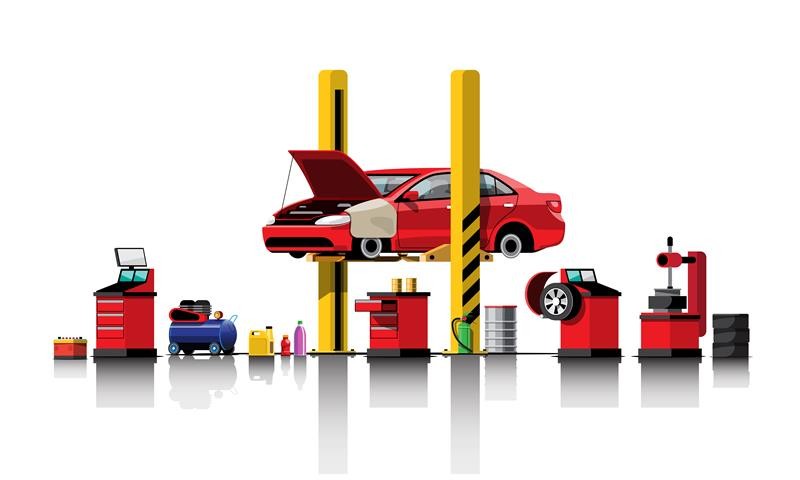
Automotive workshops in Dubai commonly use compressed air for impact wrenches, air ratchets, tyre inflation, cleaning, sanding, and painting equipment.
The required compressor capacity depends on how many tools operate simultaneously. If only one small pneumatic tool is used occasionally, a smaller compressor may be sufficient. Workshops with multiple technicians using air-powered tools at the same time require greater airflow.
Spray painting can also have different requirements from impact tools, so businesses should check the CFM requirements of their specific equipment before selecting a compressor.
Construction Businesses
Construction applications can require significant compressed-air capacity, particularly when equipment such as jackhammers, breakers, drills, and other pneumatic tools are used.
Construction companies should consider both the number of tools operating at the same time and whether the compressor will remain at a fixed site or move between locations. Portable compressors can be useful when equipment needs to be transported around construction sites.
For demanding applications, selecting a compressor based on actual peak air consumption rather than average consumption can help maintain consistent tool performance.
Manufacturing and Industrial Businesses
Manufacturing facilities often have continuous compressed-air requirements. Pneumatic machinery, automation systems, production lines, packaging equipment, and control systems may operate for extended periods.
For these applications, rotary screw compressors are commonly considered because they are designed for continuous-duty operation. The required capacity depends on the total air demand of the production system.
Businesses should also consider future expansion. If production is expected to increase, choosing a compressor system that can accommodate additional demand may prevent the need for an immediate replacement.
If you’re unsure about what size compressor is right for your business, don’t worry. Experienced compressor suppliers in Dubai can assess your requirements and help you choose the right capacity for your applications. Visit or connect with a trusted supplier near you today!
Consider Dubai's Operating Environment
Dubai's hot climate is another factor to consider when selecting and installing an air compressor. High ambient temperatures can affect compressor cooling and operating efficiency.
The compressor should be installed in a suitable, well-ventilated location where heat can be managed effectively. Dust and airborne particles can also affect filters and other components, particularly in workshops, construction environments, and industrial facilities.
Regular inspection, cleaning, filter replacement, and preventive maintenance can help maintain compressor performance in demanding operating conditions.
Don't Oversize the Compressor
Choosing a larger compressor is not always the best solution. An oversized compressor may cost more to purchase and can consume unnecessary energy if the business does not require its full capacity.
Instead, calculate your normal and peak air demand. If demand varies significantly throughout the day, a variable-speed drive compressor or multiple-compressor configuration may offer greater flexibility.
A professional compressor supplier can assess your air demand and recommend a suitable configuration based on your operating pattern.
Consider the Air Receiver Tank
The air receiver tank is another important part of a compressed-air system. It stores compressed air and helps manage short periods of high demand.
A properly sized receiver can reduce unnecessary compressor cycling and provide additional air during temporary demand peaks. However, the receiver should not be treated as a substitute for an appropriately sized compressor.
The compressor, receiver, dryer, filters, and distribution system should work together as a complete compressed-air system.
Account for Future Growth
Your current air consumption may not represent your future requirements. If you plan to add production equipment, additional workshop bays, or more pneumatic tools, include this expected demand when planning your compressor system.
However, adding excessive capacity for uncertain future growth can increase initial and operating costs. A staged system with multiple compressors may provide a practical solution for businesses expecting gradual expansion.
Work With a Compressor Supplier
If you are unsure what size air compressor your Dubai business requires, discuss your application with an experienced compressor supplier. Provide details such as the equipment you operate, required pressure, operating hours, number of simultaneous users, and expected future demand.
A supplier can help evaluate your compressed-air requirements and determine an appropriate compressor capacity. They can also advise you on accessories such as air dryers, filters, receiver tanks, and piping.
Final Considerations
There is no single compressor size that suits every business in Dubai. The right choice depends on airflow, pressure, application, operating hours, simultaneous equipment usage, environmental conditions, and future requirements.
Start by listing every pneumatic application and calculating its air consumption. Determine your required working pressure and identify your peak demand. Then consider whether you need a portable, piston, rotary screw, or another type of compressor.
Selecting the right size from the beginning can help your business maintain reliable pneumatic equipment performance while avoiding unnecessary energy consumption and operating costs. For businesses with complex or continuous compressed-air requirements, a professional assessment can provide a more accurate basis for choosing the appropriate compressor system.
Related Blog

6ab301e068635.jpg)












6aa847276cd93.png)









6a9fa7a209e73.jpg)






6a98551d6c9c3.png)


































6a7b248dbcf8b.jpeg)










6a6350a4893cb.png)

6a606c6a4b011.jpg)












6a50e9b09fb4e.jpg)














6a2bcd56d8f33.jpg)
6a2c0d1d309d3.jpg)

6a211cc2a7dc0.png)

6a18313161c5a.jpg)

























69cb4b7827b08.webp)














68ec9e22634a4.png)



















68edf1fee9090.jpg)













68f0a0f5a49dc.png)




















69dcdb1cbe702.jpg)