
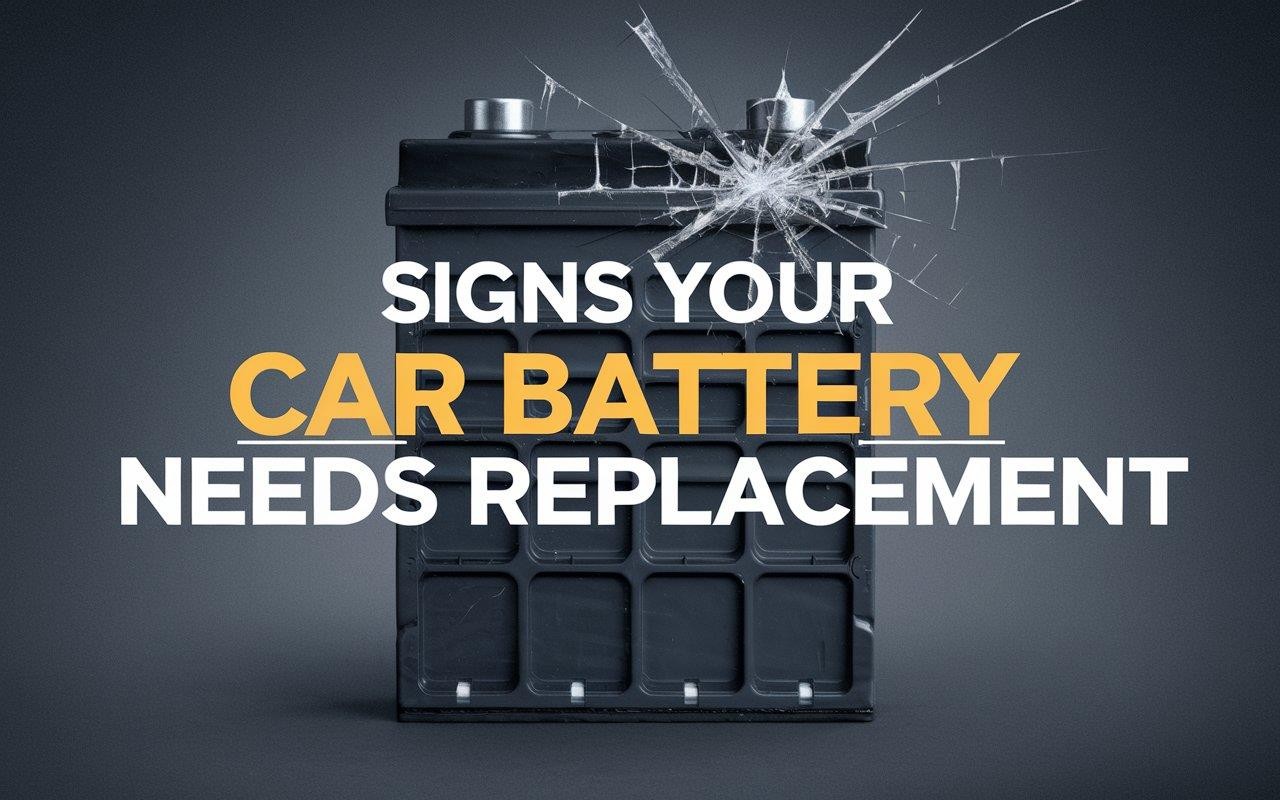
Top Signs Your Car Battery Needs Replacement in Dubai: A Complete Guide
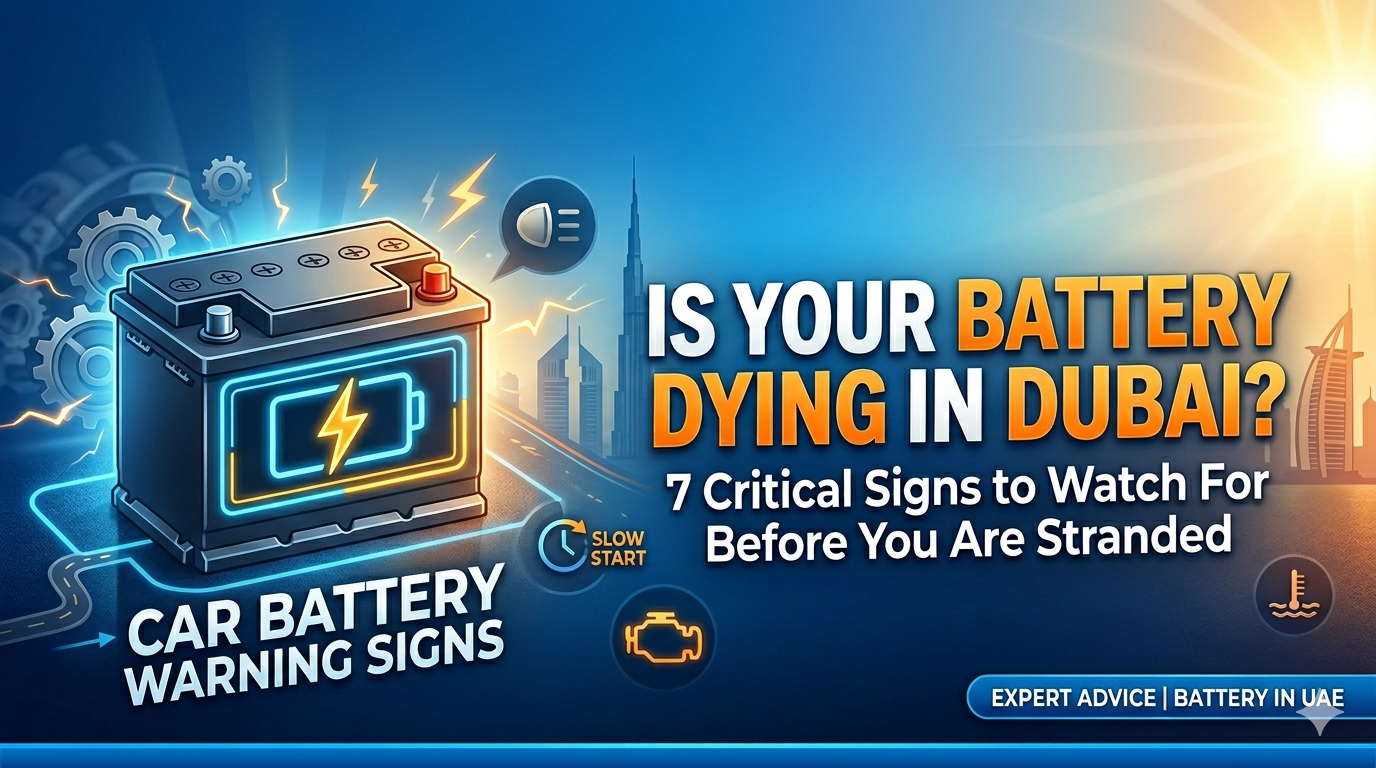
Driving in Dubai is a unique experience. From the smooth, multi-lane majesty of Sheikh Zayed Road to the rugged dunes on the city’s outskirts, the automotive culture here is vibrant. However, the Emirate’s environment is notoriously harsh on vehicles. While we often focus on tire pressure and cooling systems, the most frequent victim of the Arabian sun is the car battery.
In a temperate climate, a standard lead-acid battery might last five years. In the UAE, that lifespan is often slashed to two or three years. Understanding the warning signs of a failing battery is essential for every resident to avoid being stranded in the sweltering heat.
The Sluggish Engine Crank
The most immediate sign that your battery is losing its "juice" is how the car sounds when you turn the ignition. If the engine takes longer than usual to turn over, or if you hear a labored "rur-rur-rur" sound before it starts, your battery is struggling.
In Dubai’s extreme heat, the chemical reaction inside the battery stays highly active, but this also leads to faster degradation of the internal lead plates. When the battery can no longer provide the high surge of "Cold Cranking Amps" (CCA) required to engage the starter motor, you get that sluggish start. If you notice this more than once in a week, a total failure is likely imminent.
Dimming Lights and Electrical Gremlins
Modern cars in Dubai are equipped with advanced sensors, infotainment systems, and powerful air conditioning units. All of these rely on a steady voltage.
- Headlights: If your headlights look yellow or dim while idling but brighten when you rev the engine, the battery is failing to hold the load.
- Power Windows: Notice your windows sliding up slower than they used to? That’s a classic sign of low voltage.
- Dashboard Glitches: You might see random warning lights (ABS, Airbag, or Check Engine) flicker on and off. Often, these aren't mechanical faults but the computer "tripping" because it isn't receiving stable power.
The Pungent "Rotten Egg" Smell
If you open your hood and are greeted by a foul, sulfurous odor resembling rotten eggs you have a serious problem. This smell occurs when a battery has been overcharged or has suffered internal damage due to heat, causing it to vent hydrogen sulfide gas.
This gas is not only unpleasant but also highly corrosive to other engine components. If you smell sulfur, it usually means the battery is "boiling" its electrolyte solution. Driving in this condition is dangerous and can lead to battery acid leaking onto your engine block.
Navigating the Market for a Battery in UAE
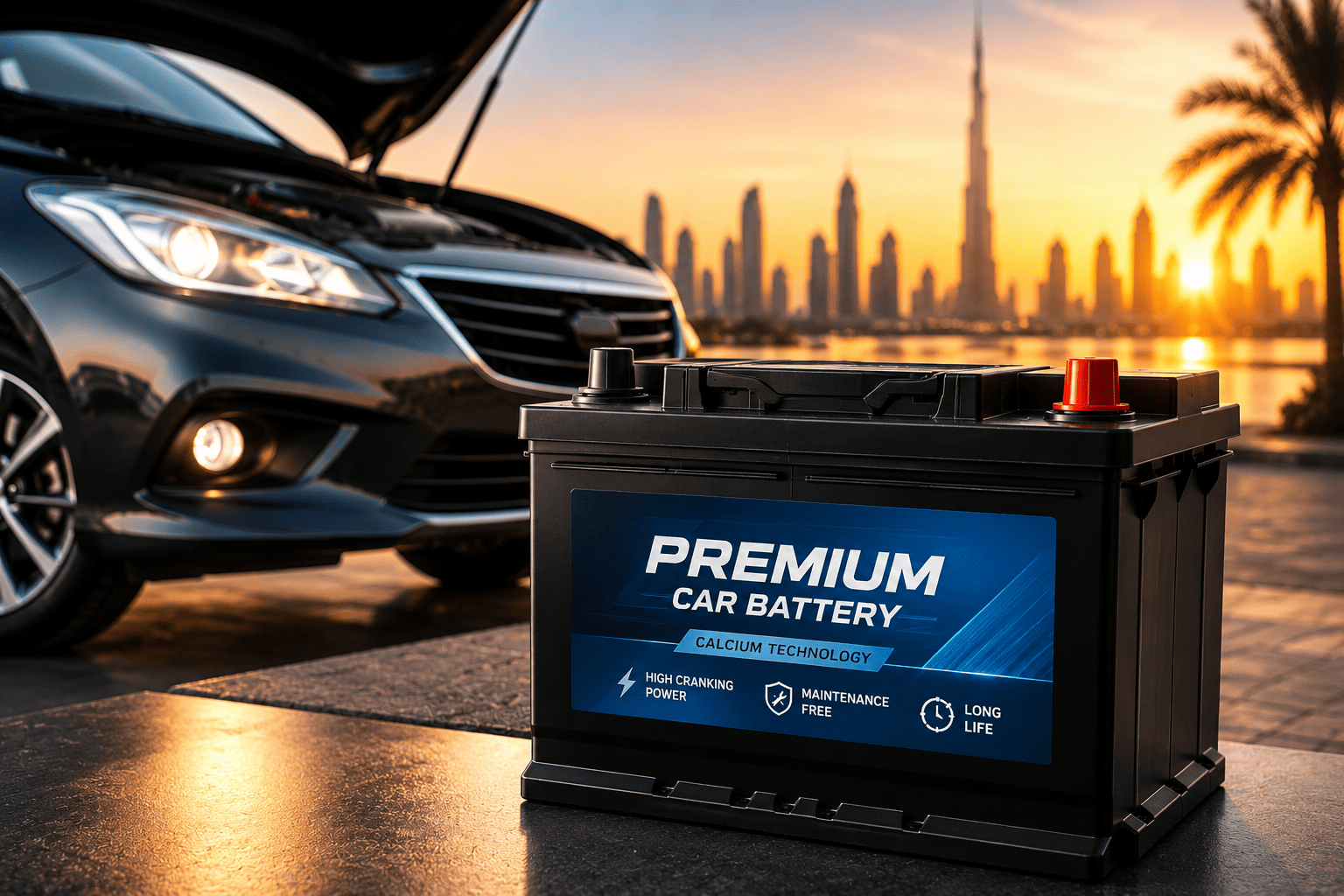
When it comes time to replace your power source, it is vital to understand that the specifications for a battery in UAE differ significantly from those in Europe or North America. Due to the ambient temperatures frequently exceeding 45°C, standard batteries can fail prematurely.
The regional market for a battery in UAE focuses heavily on "high-ambient" or "tropicalized" specifications. These units are designed with thicker plates and reinforced casings to prevent the internal liquid from evaporating too quickly. When browsing for a battery in UAE, many experts recommend opting for Silver-Calcium alloys or AGM (Absorbent Glass Mat) technology. These are more resilient to "heat soak" the phenomenon where a car sits in a sunny parking lot in Deira or JLT and the engine bay temperature reaches a staggering 80°C. Investing in a quality battery in UAE specifically rated for hot climates is the only way to ensure you aren't replacing it again in twelve months.
Physical Distortions: The Swollen Case
You should visually inspect your battery at least once a month during the summer. A healthy battery should have straight, flat sides. If the battery casing looks bloated, swollen, or misshapen, the desert heat has taken its toll.
Internal pressure builds up when the battery is exposed to extreme temperatures or if the alternator is overcharging it. A swollen battery is a ticking time bomb; the structural integrity of the casing is compromised, and it could leak or crack at any moment. If you see a "fat" battery, replace it immediately before it damages your battery tray or cables.
Corrosion and "White Fluff"
In coastal cities like Dubai, the combination of high humidity and salt air can accelerate corrosion. If you see a white, ashy, or blue-green powdery substance around the metal terminals, it indicates a leak of acidic vapors.
While you can temporarily clean this with a wire brush and a mixture of baking soda and water, corrosion creates high electrical resistance. This means your alternator has to work harder to charge the battery, and the battery has to work harder to start the car. Chronic corrosion is usually a sign that the battery seals are failing.
The "Two-Year" Rule
In many parts of the world, age is just a number. In Dubai, age is a deadline. Even if your car is performing perfectly, if your battery is over 24 months old, it is living on borrowed time.
Most roadside assistance calls in the UAE are for "sudden battery death." Unlike colder climates where batteries give long, slow warnings, the heat can cause a battery to work fine at 9:00 AM and be completely dead by 1:00 PM. If you haven't changed your battery in two years, it is highly recommended to have a professional "load test" performed during your next oil change.
The Infamous Battery Warning Light
The little red battery icon on your dashboard is often misunderstood. Many drivers think it means the battery is dead. In reality, it usually means the charging system is no longer working.
However, a failing battery can trigger this light if it can no longer accept a charge from the alternator. If this light stays illuminated while you are driving, pull over safely. Your car is currently running purely on the remaining "reserve capacity" of the battery, and once that is gone, the engine will stall potentially in the middle of a busy highway.
How to Protect Your Battery in Dubai
While you can't change the weather, you can change your habits to extend battery life:
- Park in the Shade: Use basement parking whenever possible. Even a few degrees difference can save the internal chemistry of the battery.
- Avoid Short Trips: Driving for only 5 minutes doesn't give the alternator enough time to recharge the energy used to start the car. Try to take a longer 20-minute drive once a week.
- Keep it Clean: Dust and dirt on top of the battery can actually act as a conductor, causing a very slight "parasitic drain" that empties the battery over time.
Conclusion
Your car battery is the heart of your vehicle's electrical system, and in Dubai, it works harder than anywhere else on earth. By keeping an eye out for slow starts, physical swelling, and electrical glitches, you can save yourself the headache of a breakdown in the peak of summer. Remember, when it comes to vehicle maintenance in the UAE, being proactive isn't just a suggestion it's a necessity. If your battery is showing any of these signs, visit a specialist today and ensure your car is ready for the heat.
Related Blog



6ab301e068635.jpg)
















6aa847276cd93.png)









6a9fa7a209e73.jpg)






6a98551d6c9c3.png)










































6a7b248dbcf8b.jpeg)











6a6350a4893cb.png)

6a606c6a4b011.jpg)












6a50e9b09fb4e.jpg)













6a2bcd56d8f33.jpg)
6a2c0d1d309d3.jpg)

6a211cc2a7dc0.png)

6a18313161c5a.jpg)



























69cb4b7827b08.webp)













68ec9e22634a4.png)






















68edf1fee9090.jpg)













68f0a0f5a49dc.png)























69dcdb1cbe702.jpg)