
A Complete Guide to Admission Processes for UK, USA, and Canada
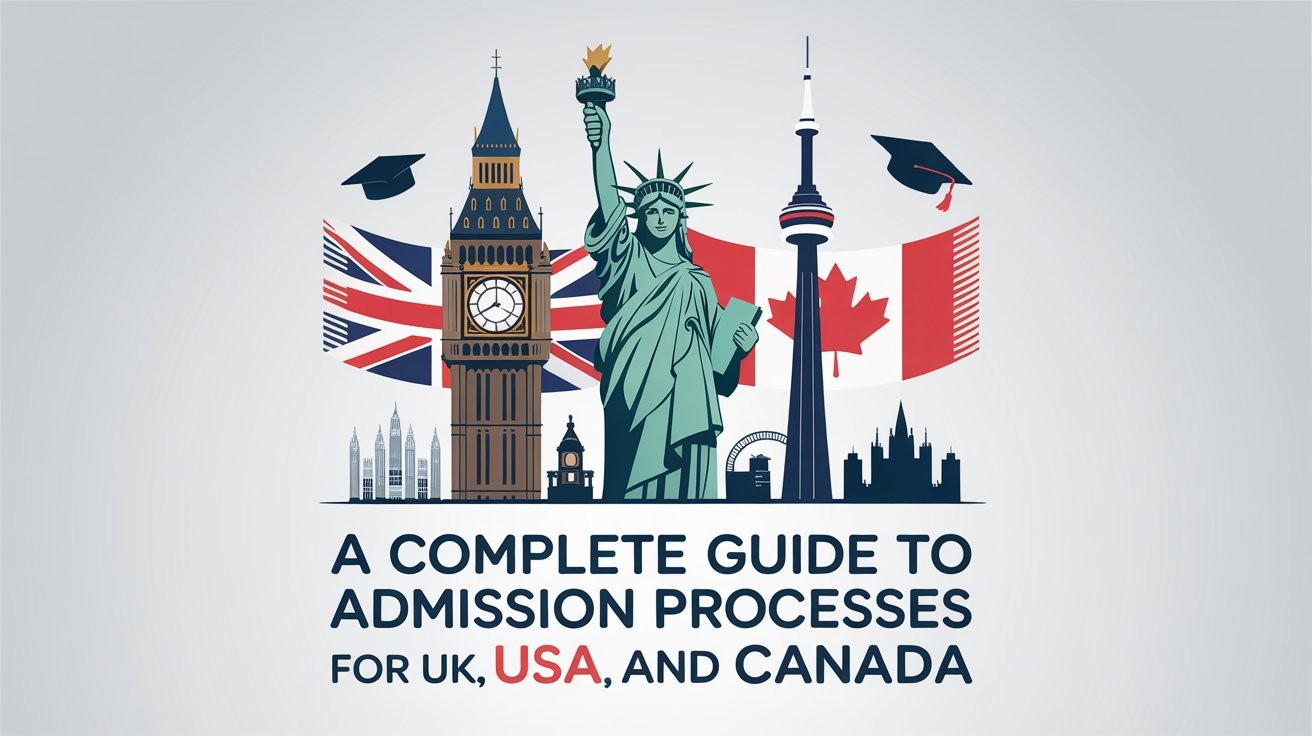
Choosing to study abroad is a transformative decision, but navigating the labyrinth of international admissions can be a daunting task. As we move through 2026, the United Kingdom, the United States, and Canada remain the premier destinations for global students, though each has introduced significant policy shifts and procedural updates.
Whether you are aiming for the Ivy League, the historic halls of Oxford, or the research-driven campuses of Toronto, understanding these nuances is the first step toward a successful application. Given the increasing complexity of visa caps and changing essay formats, many students now rely on education consultants in Dubai to ensure their profiles meet the rigorous standards of top-tier global universities.
The United Kingdom: Precision and Subject Mastery
The UK admission process is celebrated for its efficiency and focus. Unlike other regions, the UK prioritizes academic depth and specific subject interest over general extracurricular breadth.
The New 2026 UCAS Personal Statement
A major shift occurred for the 2026 entry: the traditional 4,000-character free-text personal statement has been replaced. Applicants now answer three specific "scaffolded" questions:
- Why do you want to study this course? (Focus on your passion and future ambitions).
- How has your previous schooling prepared you? (Highlight relevant subjects and projects).
- What have you done outside of education to prepare? (Relevant hobbies, work experience, or volunteering).
Key Deadlines and Requirements
- October 15: Deadline for Oxford, Cambridge, and most medicine, dentistry, and veterinary courses.
- January 29: The "Equal Consideration" deadline for most other undergraduate courses.
- Graduate Route: The 2-year post-study work visa (3 years for PhDs) remains a stable draw for international talent, allowing graduates to kickstart careers in the UK without immediate employer sponsorship.
The United States: The Holistic and Narrative Approach
The US admission process remains the most comprehensive, looking at the "whole person" rather than just a transcript.
The Return of Standardized Testing
While many schools went "test-optional" during the pandemic, 2026 has seen a significant "return-to-required" movement among elite institutions (Ivy League and top-tier state schools).
- The Digital SAT: The exam is now fully digital via the Bluebook app, featuring shorter reading passages and a built-in Desmos calculator for math.
- Holistic Review: Admissions officers weigh your GPA (typically 3.0+ for competitive schools) alongside 2–3 letters of recommendation and a "Personal Confessional" essay.
- Extracurricular Impact: Leadership roles, community impact, and "spike" talents (being exceptionally good at one specific thing) are highly valued.
Admission Cycles
- Early Decision (November): Legally binding. If accepted, you must attend.
- Regular Decision (January): The standard window with the highest volume of applications.
Canada: Strategic Pathways and New Regulations
Canada offers a practical middle ground but has recently introduced the most significant regulatory changes for international students.
The "Cap" and Provincial Attestation Letters (PAL)
To manage housing and infrastructure, Canada now limits the number of study permits issued.
- PAL Requirement: Most undergraduate and college applicants must now obtain a Provincial Attestation Letter (PAL) from their chosen province before applying for a visa.
- Exemptions: As of January 1, 2026, Master’s and Doctoral students at public institutions are exempt from the PAL requirement, making graduate studies a smoother pathway.
Financial and Work Updates
- Increased GIC: To prove financial stability, students must now deposit CAD $22,895 into a Guaranteed Investment Certificate (GIC), up from previous years.
- Off-Campus Work: Students can now work up to 24 hours per week off-campus during term time, helping to offset the rising cost of living.
- PGWP Restrictions: Post-Graduation Work Permits are now more closely linked to "labor shortage" fields (Healthcare, STEM, Skilled Trades).
Comparative Summary Table (2026 Entry)
|
Feature |
United Kingdom |
United States |
Canada |
|
Primary Focus |
Subject Expertise |
Holistic/Leadership |
Academic & Career Path |
|
Personal Statement |
3-Question Framework |
Narrative Essay |
Supplemental/Program-specific |
|
Standardized Tests |
Subject-specific (LNAT/UCAT) |
Digital SAT/ACT (Returning) |
Generally not required |
|
Work Rights |
20 hrs/wk (Term time) |
On-campus only (usually) |
24 hrs/wk (Off-campus) |
|
PR Pathway |
Points-based (Competitive) |
Difficult (H-1B Lottery) |
Clear & Predictable |
Essential Documents Checklist
To stay organized, ensure you have these documents prepared at least 12 months in advance:
- Academic Transcripts: Certified records from the last 4 years of study.
- English Proficiency: Valid IELTS (usually 6.5+), TOEFL, or PTE scores.
- Financial Proof: In Canada, the GIC receipt; in the UK/USA, bank statements showing 1 year of tuition and living funds.
- Portfolio/Audition: Required specifically for Architecture, Design, or Fine Arts programs.
- Statement of Purpose (SOP): A critical document for visa officers, especially for Canada, explaining your intent to return home post-studies.
Strategic Planning for 2026
The 2026 cycle is defined by "Category-Based Selection." Both Canada and the UK are increasingly favoring students who study in high-demand sectors like Artificial Intelligence, Green Energy, and Healthcare.
Conclusion
Navigating the admission processes for the UK, USA, and Canada requires a blend of meticulous planning and cultural understanding. While the UK values your expertise and the USA values your story, Canada offers the most stable long-term immigration outcomes for those in critical industries. By aligning your strengths with the right system, you can secure your place at a world-class institution. If the process feels overwhelming, professional guidance can help streamline your journey and maximize your chances of acceptance.
Related Blog



6ab301e068635.jpg)
















6aa847276cd93.png)










6a9fa7a209e73.jpg)






6a98551d6c9c3.png)







































6a7b248dbcf8b.jpeg)











6a6350a4893cb.png)

6a606c6a4b011.jpg)












6a50e9b09fb4e.jpg)

















6a2bcd56d8f33.jpg)
6a2c0d1d309d3.jpg)

6a211cc2a7dc0.png)

6a18313161c5a.jpg)




























69cb4b7827b08.webp)














68ec9e22634a4.png)

























68edf1fee9090.jpg)
















68f0a0f5a49dc.png)






















69dcdb1cbe702.jpg)