The Importance of Quality Fasteners in Construction
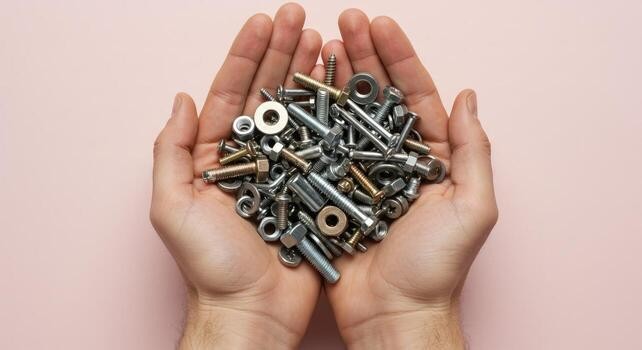
The Importance of Quality Fasteners in Construction
Fasteners may be small components,
but they play a critical role in the strength, stability, and durability of
construction projects. Screws, nails, bolts, nuts, washers, anchors, and other
fixing products are used to connect structural and non-structural components
throughout a building. The quality and suitability of these fasteners can
directly affect how well a structure performs over time.
Choosing the right fastener is not
simply about selecting a product that fits a hole or holds two materials together.
Factors such as material, load, corrosion resistance, installation method,
environmental conditions, and the type of materials being connected all need to
be considered. Using poor-quality or unsuitable fasteners can result in loose
connections, corrosion, material damage, and premature repairs.
1.
Fasteners Provide Secure Connections
The primary purpose of a fastener is
to create a secure connection between two or more components. Construction
projects depend on thousands of these connections, from fixing timber and metal
components to attaching doors, fixtures, roofing materials, and other building
elements.
Quality fasteners provide consistent
holding strength and are less likely to bend, break, strip, or loosen during
installation. A reliable connection helps components remain securely positioned
even when they are exposed to vibration, movement, or regular use.
2.
They Improve Construction Safety
Construction safety depends on the reliability of many individual components. A failed connection can create risks for workers, occupants, and the structure itself. For example, an improperly fixed handrail, support bracket, roof component, or structural connection may become loose and create a safety haz
3.
Quality Fasteners Increase Durability
Buildings are exposed to many
environmental conditions throughout their service life. Moisture, temperature
changes, chemicals, dust, and humidity can gradually affect construction
materials and metal components.
High-quality fasteners made from
suitable materials can provide better resistance to these conditions. Stainless
steel and appropriately coated fasteners, for example, can offer improved
corrosion resistance in applications where moisture is present..
4.
Corrosion Resistance Matters
When a fastener is exposed to
moisture or corrosive conditions, rust can weaken the component and affect the
surrounding material.
This is particularly important in
outdoor construction, bathrooms, kitchens, coastal environments, and areas with
high humidity. Selecting corrosion-resistant fasteners can help protect
connections from deterioration.
A fastener suitable for a dry indoor
environment may not be appropriate for an exposed outdoor or highly humid
location.
5.
The Right Fastener Protects Building Materials
Using an unsuitable fastener can
damage the materials being joined. For example, a fastener that is too large
may split timber, while an inappropriate screw can damage thin metal or fail to
provide adequate grip..
6.
Different Applications Require Different Fasteners
There is no single fastener that is
suitable for every construction application. Nails are commonly used for
certain wood-framing and general fixing applications, while screws provide
advantages where controlled installation and removal are required.
Bolts and nuts are often used where
stronger mechanical connections are needed. Concrete anchors are designed to
secure components to concrete or masonry, while specialized fasteners may be
required for roofing, drywall, metalwork, or other applications.
7.
Fastener Material and Coating Are Important
The material and coating of a
fastener influence its performance. Common options include carbon steel,
stainless steel, and various coated or galvanized fasteners.
Galvanized fasteners, for example,
have a protective zinc coating that can improve resistance to corrosion
compared with untreated steel. Stainless steel fasteners are often selected for
applications where stronger corrosion resistance is required.
Types of fasteners, their applications, and material type
|
Common application
|
Common material/type
|
|
|
Wood screws |
Joining timber, cabinets, wooden frames and fittings
|
Carbon steel, zinc-plated steel, stainless steel
|
|
|
Fixing timber, clips, brackets and light fixtures to
concrete or masonry
|
Hardened carbon steel
|
|
|
Fixing thin metal sheets, electrical components and metal
profiles
|
Carbon steel, zinc-plated steel, stainless steel
|
|
|
Heavy-duty connections in steel structures, machinery and
equipment
|
Carbon steel, high-strength alloy
steel, stainless steel
|
|
|
Distributing load under bolts and screws and protecting
surfaces
|
Steel, stainless steel, galvanized steel
|
|
|
Joining components with threaded holes or nuts
|
Steel, stainless steel, brass
|
|
|
|
|
|
Most available sizes in each fastener type
|
Common sizes |
Typical applications |
|
|
3 × 13 mm to 8 × 150 mm |
Timber, wooden frames, cabinets, furniture, fittings |
|
|
1.5 × 25 mm to 4 × 100 mm |
Fixing timber, clips, brackets and light fixtures to
concrete/masonry |
|
|
3.5 × 13 mm to 6.3 × 100 mm |
Metal sheets, steel profiles, roofing and metal-to-metal
fixing |
|
|
3.5 × 25 mm, 3.5 × 32 mm, 3.5 × 38 mm, 3.5 × 50 mm, 3.5 ×
65 mm |
Fixing gypsum boards to metal or timber frames |
|
|
M3 × 6 mm to M10 × 100 mm (typical range) |
Machinery, electrical equipment, metal components and
threaded holes |
Choosing the Right Fastener for the Load
The expected load is another
important consideration. A fastener used to attach a lightweight decorative
item does not have the same requirements as one used for a heavy bracket or
structural component.
Load-bearing applications may
require specifically rated anchors, bolts, or other engineered fastening
systems. The fastener's size, diameter, embedment depth, material, and
installation method can all affect its performance.
Where safety or structural integrity
is involved, fastener selection should follow applicable building requirements
and professional engineering guidance.
Buying Quality Fasteners From a Reliable
Supplier
The quality of fasteners depends not
only on the product itself but also on proper storage, handling, and sourcing.
Fasteners should be stored in suitable conditions to reduce exposure to
moisture and contamination.
Working with a reliable building materials supplier can make
it easier for contractors and builders to find fasteners appropriate for
specific applications. A knowledgeable supplier can also help customers compare
different materials, sizes, coatings, and fixing options based on project
requirements.
Conclusion
Fasteners are fundamental components
of modern construction. Although they are often small and inexpensive compared
with major building
materials, their role in maintaining secure connections should not be
underestimated. The right fastener can improve safety, durability, corrosion
resistance, material protection, and long-term performance.
Contractors and builders should
consider the application, load, connected materials, environmental conditions,
fastener material, corrosion resistance, and installation requirements before
making a selection. Choosing quality fasteners and installing them correctly
can help prevent connection failures and reduce maintenance problems.
Ultimately, quality fasteners are
an investment in the strength, reliability, and longevity of a construction
project. Whether the application involves concrete, masonry, timber, metal,
roofing, doors, fixtures, or general building work, selecting the appropriate
fastening solution is an essential part of achieving a durable and professional
result.
Related Blog

6ab301e068635.jpg)












6aa847276cd93.png)









6a9fa7a209e73.jpg)






6a98551d6c9c3.png)









































6a7b248dbcf8b.jpeg)












6a6350a4893cb.png)

6a606c6a4b011.jpg)












6a50e9b09fb4e.jpg)













6a2bcd56d8f33.jpg)
6a2c0d1d309d3.jpg)

6a211cc2a7dc0.png)

6a18313161c5a.jpg)



























69cb4b7827b08.webp)















68ec9e22634a4.png)
























68edf1fee9090.jpg)












68f0a0f5a49dc.png)























69dcdb1cbe702.jpg)