6acdefb0a58d8.jpeg)
How Pop Up Stand Size Affects Your Display
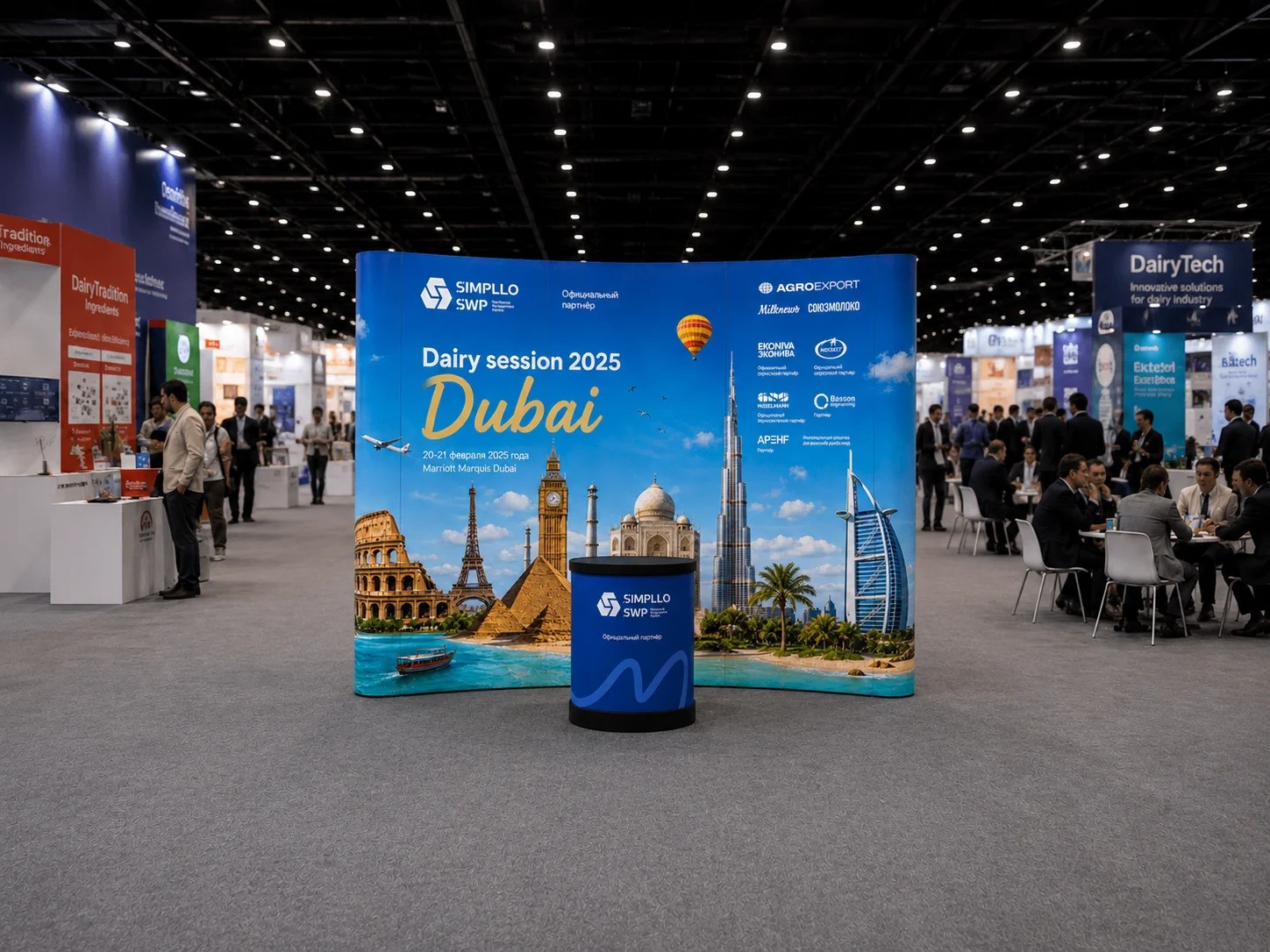
Choosing the right pop up stand size is important when preparing for an exhibition, trade show, conference, or promotional event. A stand that is too small may not provide enough room for graphics and products, while a very large stand may take up more space than necessary. The right size should match the available floor area, the type of event, and what you want visitors to see.
For businesses using pop up stands Dubai, understanding different stand sizes can make planning much easier. Pop-up displays come in several widths and heights, so businesses can choose an option that fits their space without making the display look crowded. Before ordering or setting up a stand, it helps to understand how measurements work and what each size is suitable for.
1. Why Pop Up Stand Size Matters
The size of a pop-up stand affects almost every part of an exhibition display. It determines how much graphic space is available, how easily people can see the message, and how much room remains for other display items.
A small stand can work well in a limited area, especially when the purpose is simply to display a company name, logo, or short message. Larger stands can provide more space for images, product information, photographs, and branding.
The available space at the venue should always be checked before selecting a stand. Exhibition halls may have fixed booth dimensions, walls, walkways, tables, or neighboring displays that affect the amount of usable space.
2. Common Pop Up Stand Sizes
Pop-up stands are available in different sizes, but the exact measurements can vary depending on the manufacturer and display system. Common widths include compact options around 2 feet, 3 feet, 4 feet, 6 feet, 8 feet, and 10 feet or more.
A smaller display may be suitable for a reception area, small exhibition space, or indoor promotional event. Medium-sized displays are often useful for standard exhibition booths. Larger systems can be used when there is more floor space and a stronger visual presence is needed.
The height also matters. Many pop-up displays are designed to stand at approximately eye level or above, allowing graphics to remain visible from a distance. Always check the actual assembled dimensions instead of relying only on the product name.
3. How to Measure Your Available Space
Before deciding on a pop up stand size, measure the area where the display will be placed. Start by checking the width and depth of the allocated space. If possible, also check the ceiling height and the position of nearby objects.
Leave enough room for visitors to stand in front of the display. A stand should not block an entrance, walkway, table, or another important part of the booth.
It is also useful to measure doors, lifts, and storage areas if the stand will need to be carried into a venue. A display may fit perfectly inside an exhibition area but still be difficult to transport through a narrow entrance.
Writing down the measurements before selecting a stand can prevent many setup problems later.
4. Choosing a Size for Small Exhibition Areas
Small exhibition spaces require careful planning. A large display can make a small booth feel crowded, leaving little room for visitors or additional furniture.
For a smaller area, a compact pop-up display can provide a clear backdrop without taking over the entire space. The graphics should also be simple. A short headline, logo, image, and limited amount of text are often easier to read than a wall filled with information.
A smaller stand can also be useful when the main goal is to create a professional background for conversations. It does not always need to include every detail about a business.
The important point is to use the available space wisely rather than choosing the largest possible display.
5. Selecting a Stand for Medium Booths
Medium-sized exhibition booths offer more flexibility. They can usually accommodate a larger backdrop along with a counter, literature holder, product display, or small seating area.
A medium pop-up stand can create a noticeable background while still leaving enough space for visitors to move around. The extra graphic area can be used for photographs, product categories, service information, or company messaging.
When selecting the size, consider how many people will work inside the booth. A stand that looks suitable when the area is empty may feel different once staff, furniture, and visitors are present.
Planning the complete layout before purchasing the display helps create a more comfortable space.
6. When a Larger Pop Up Stand Is Useful
A larger stand can be useful for companies attending major exhibitions or events where there is plenty of floor space. The additional width provides more room for graphics and can make important information visible from a greater distance.
However, a larger display is not automatically better. If the graphic contains too much text, increasing the size of the stand may simply create a larger area that is difficult to read.
Large displays work best when their design is planned around the available space. Strong images, clear headings, and enough empty space can make a large graphic easier to understand.
The display should support the booth layout rather than dominate every part of it.
7. How Graphics Depend on Stand Size
The graphic dimensions need to match the pop-up frame correctly. A design that does not follow the required measurements can cause problems during installation.
Before preparing artwork, check the exact graphic width and height supplied by the display manufacturer. Also confirm whether the graphic is designed as one continuous image or several connected panels.
Text size is another important consideration. Visitors may view an exhibition graphic from several feet away, so small text can easily become difficult to read.
For this reason, the design should be created according to the viewing distance, not simply according to the amount of information available.
8. Transport and Storage Considerations
The size of a pop-up display also affects transportation and storage. Although many pop-up systems can fold down into a compact package, larger systems may require more space or additional carrying cases.
Consider how often the stand will be moved between locations. A display used at several events may need to be easy for staff to carry and store.
Storage space should also be considered between events. If a company has limited storage facilities, a compact display may be more practical than a large system.
Checking the packed dimensions and weight before purchasing is just as important as checking the assembled size.
9. Choosing the Right Size for Pop Up Stands Dubai
Businesses looking at pop up stands Dubai should consider the type of venue and event before selecting a display. Exhibition halls, shopping centers, hotels, conference rooms, and corporate offices can all have different space requirements.
Dubai also hosts events with different booth layouts and floor plans, so there is no single stand size that works for every situation. The organizer's allocated space should always be checked first.
It is also worth considering whether the display will be used once or repeatedly. A business attending different events may benefit from a versatile size that can fit several common booth layouts.
The goal is to choose a stand that works comfortably within the space while providing enough room for a clear and readable message.
10. Final Thought
Choosing the right pop up stand size is mainly about balance. The display should fit the available area, provide enough graphic space, and leave room for people to move comfortably. A smaller stand can be practical for limited spaces, while a larger one may be suitable for wider exhibition areas.
Before making a decision, check the booth measurements, graphic requirements, transport needs, storage space, and expected number of visitors. For businesses considering pop up stands Dubai, these simple checks can make the setup process easier and help avoid choosing a display that is either too large or too small.
The best stand size is not necessarily the biggest one. It is the size that fits the space, communicates the message clearly, and works well with the rest of the display.
Related Blog

















6ab301e068635.jpg)















6aa847276cd93.png)









6a9fa7a209e73.jpg)




6a98551d6c9c3.png)








































6a7b248dbcf8b.jpeg)










6a6350a4893cb.png)

6a606c6a4b011.jpg)










6a50e9b09fb4e.jpg)










6a2bcd56d8f33.jpg)
6a2c0d1d309d3.jpg)

6a211cc2a7dc0.png)

6a18313161c5a.jpg)


























69cb4b7827b08.webp)























694fa33ac18ea.jpeg)






693e715695a8f.png)


693923523a9ac.png)









68ec9e22634a4.png)
























68edf1fee9090.jpg)














68f0a0f5a49dc.png)





















69dcdb1cbe702.jpg)