
Why Dubai Is Quietly Becoming a Watch Collector's Market
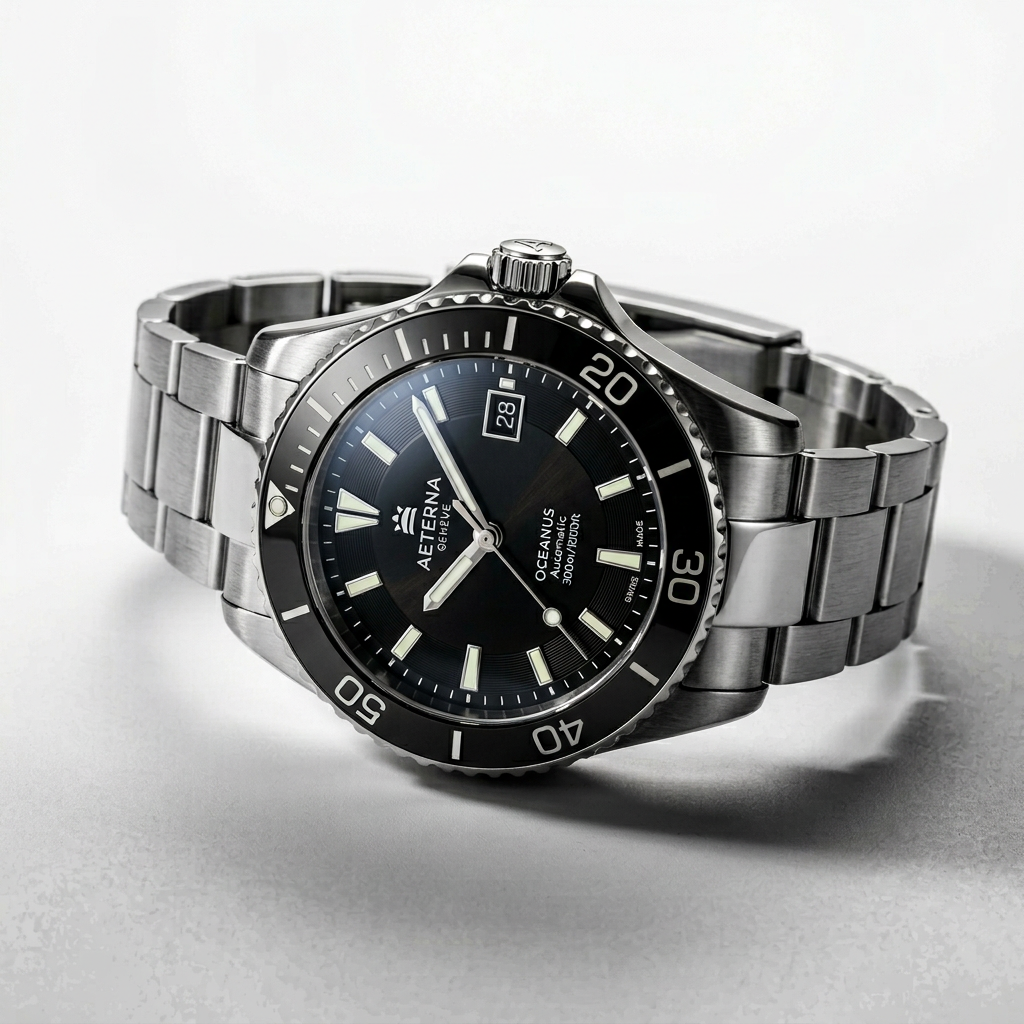
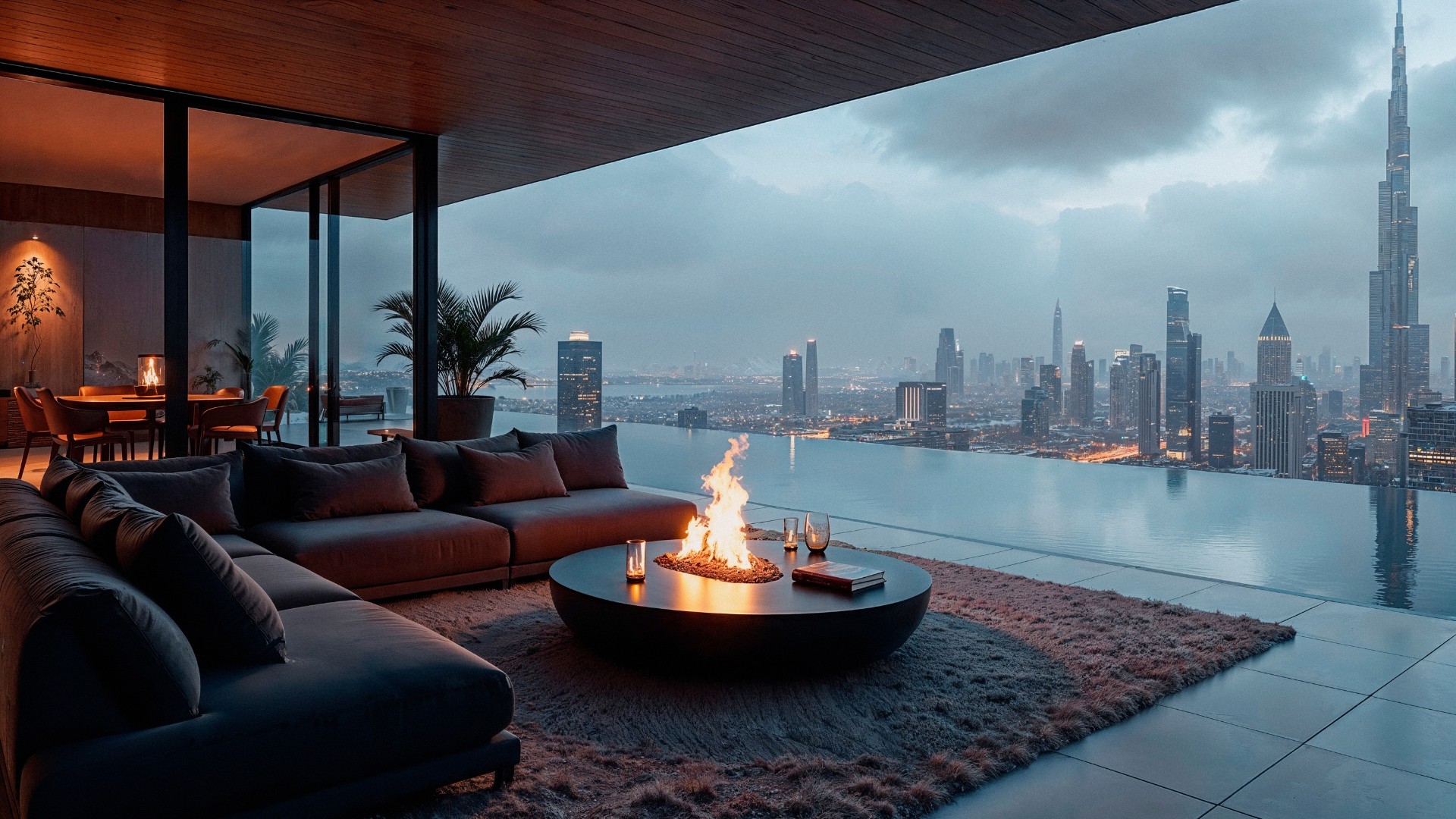
Walk into a Dubai mall on a Thursday evening and you'll pass three or four watch counters before you reach the food court. That's normal here, and has been for years. What's changed recently is who's actually stopping to look, and what they're asking the person behind the glass.
The gifting calendar never really empties
UAE culture treats a watch as a legitimate answer to almost any milestone. Weddings, graduations, Eid, a promotion, a work anniversary: somewhere on that list is an occasion that calls for a timepiece rather than flowers or an envelope of cash. Industry estimates put the UAE's overall watch market at around $410 million in 2024, with growth forecast toward $577 to $596 million by the early 2030s, a compound annual rate of roughly 4 to 5 percent. Gifting culture gets named repeatedly in these reports as one of the steady drivers behind that curve, alongside rising disposable income and tourist footfall through duty-free retail.
That gifting habit doesn't sit only at the high end. A father buying his son a graduation watch isn't necessarily reaching for a five-figure Swiss piece. He's often choosing something well-built, recognisable, and priced so the gesture lands without the bill becoming the story. That's where mid-range mechanical and automatic watches, the Seikos, Orients, and Citizens of the category, do most of the quiet work nobody writes headlines about.
Affordable luxury fills the gap real luxury can't
The UAE's luxury watch segment is genuinely large on its own, tracking toward roughly $2.2 billion by 2030 in most forecasts. Tourism alone accounts for more than 12 percent of Dubai's GDP, and a meaningful share of that runs through duty-free boutiques and flagship stores along Sheikh Zayed Road. But that top tier has a ceiling problem: most residents aren't buying a six-figure chronograph on a Tuesday, and most never will.
What's grown underneath that ceiling is demand for watches that borrow the language of luxury, in-house automatic movements, sapphire crystal, finishing that holds up under a loupe, without the price tag that comes from a maison's marketing budget. Microbrands and established Japanese houses both compete in this space, and UAE buyers tend to be good at telling the difference between genuine value and a story. Years of walking past the Dubai Mall watch floor will do that to a person.
Status, but the quieter kind
There's a generational shift worth naming here. A decade ago, a visible logo did a lot of the talking. Now a growing slice of buyers, particularly under-40 professionals, want something that reads as deliberate rather than loud: an automatic movement they can explain, a dial they chose because they liked it rather than because someone else would clock the brand. This isn't a rejection of luxury so much as a redefinition of what counts as impressive. Knowing what's on your wrist starts to matter more than other people knowing it.
The collector end of the market backs this up. Watch auctions worldwide are projected to clear $1 billion in 2026, and GCC buyers already account for roughly a fifth to a quarter of the top-value lots. That's not casual browsing, that's a regional collector base with real conviction, and conviction at the top tends to pull interest downward through the categories that feed it. People who can't yet afford an auction-grade piece still want to understand movements, finishing, and provenance, so they start one or two tiers below where they're headed.
What's actually moving
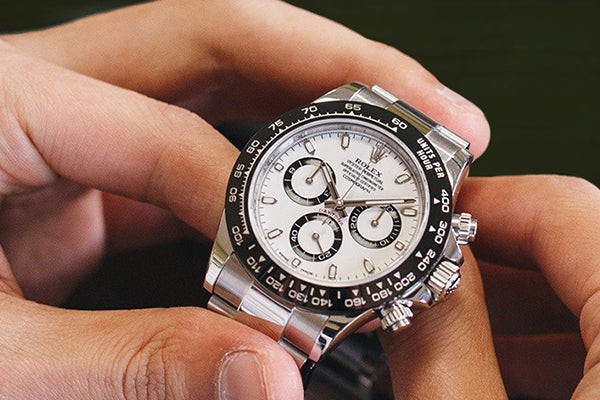
Talk to anyone running a watch counter or an online storefront here and a pattern shows up fast. Steel sports watches sell consistently because they cover both daily wear and the rotating gift calendar without a second thought. Automatic movements tend to outsell quartz specifically in the gift category, because a visible balance wheel through a case back reads as more considered than a battery hatch. And ladies' watches have become a genuine growth line in their own right rather than an afterthought stocked in three colourways, which most of the major market reports now flag explicitly as a driver of premium segment growth.
Dubai-based online retailers have picked up on this shift in how people shop. Sites like wristbear.com, which stock Seiko, Orient, Casio, and Citizen, describe the same pattern from their own customers: people comparing case sizes and movement specs the way they'd compare a car's options list, rather than browsing for whatever looks expensive in a thumbnail.
Where this settles
None of this turns Dubai into Geneva. The city isn't building a manufacturing base the way Switzerland has over centuries, and nobody's pretending otherwise. But a market doesn't need a factory floor to become a collector's market. It needs buyers who care about what they're wearing, infrastructure that lets them compare and buy with confidence, and enough volume moving through gifting and personal purchase to keep good watches in steady circulation.
Dubai has all three now. The counters were always busy. What's different is the conversation happening in front of them.
Related Blog

6ab301e068635.jpg)












6aa847276cd93.png)









6a9fa7a209e73.jpg)





6a98551d6c9c3.png)








































6a7b248dbcf8b.jpeg)












6a6350a4893cb.png)

6a606c6a4b011.jpg)











6a50e9b09fb4e.jpg)










6a2bcd56d8f33.jpg)
6a2c0d1d309d3.jpg)

6a211cc2a7dc0.png)

6a18313161c5a.jpg)

























69cb4b7827b08.webp)















68ec9e22634a4.png)




























68edf1fee9090.jpg)

















68f0a0f5a49dc.png)























69dcdb1cbe702.jpg)