
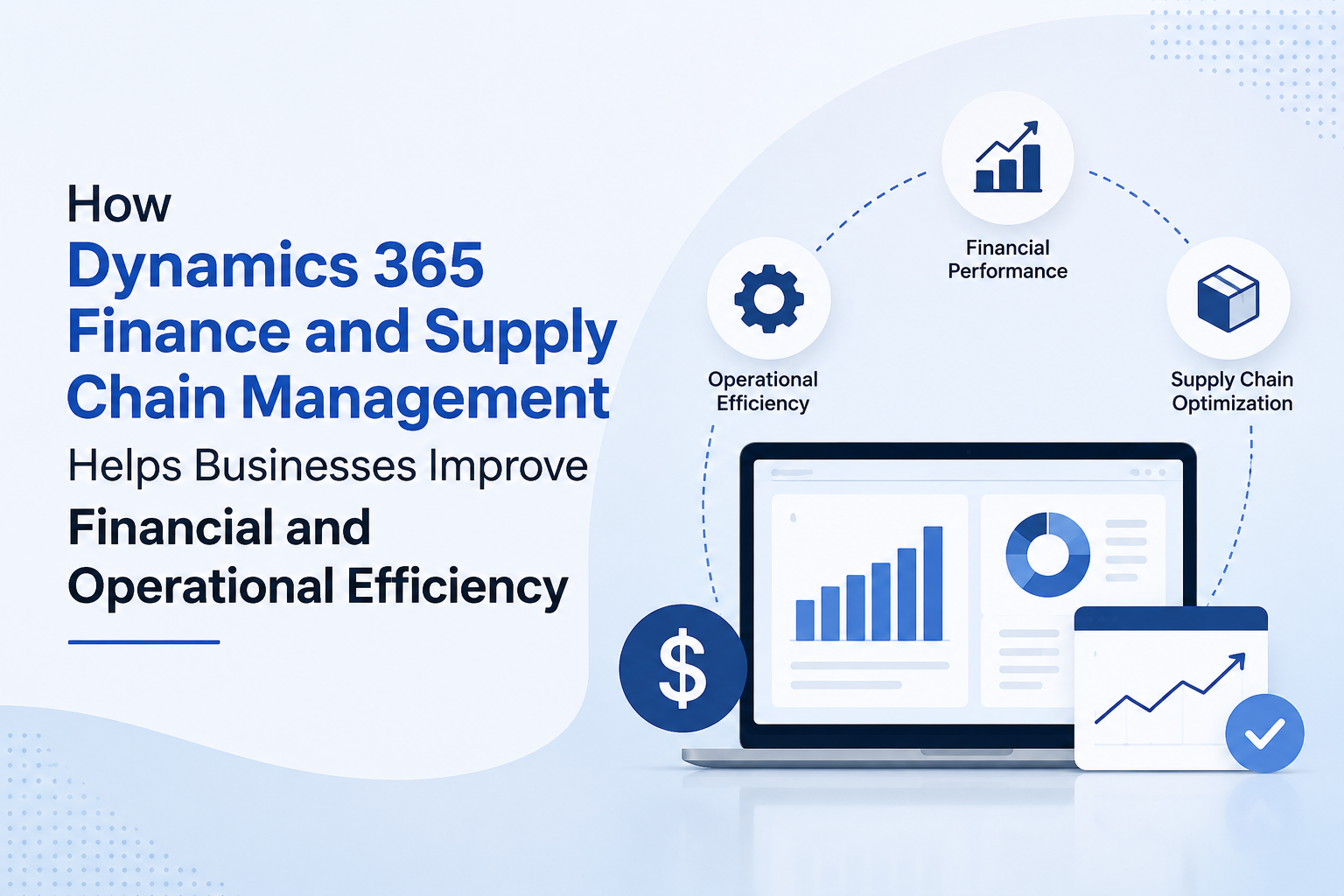
How Dynamics 365 Finance and Supply Chain Management Helps Businesses Improve Financial and Operational Efficiency
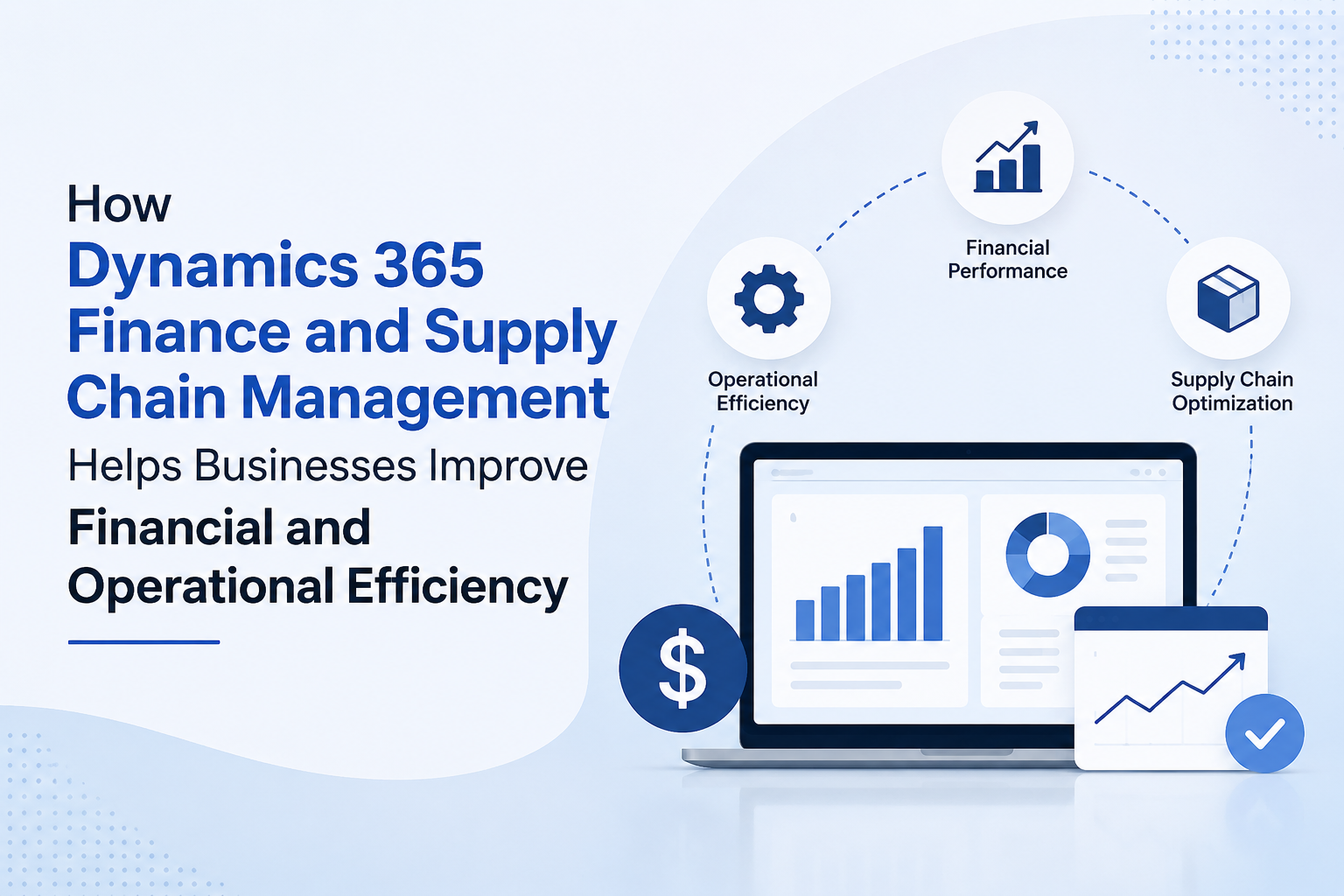
Businesses today need more than separate tools for accounting, purchasing, inventory, and operations. As organizations grow, disconnected systems can make it harder to maintain accurate information, monitor costs, coordinate supply chain activities, and make timely decisions.
This is where Dynamics 365 Finance & Supply Chain Management can help. By connecting financial and operational processes within a unified business management environment, organizations can improve visibility, streamline workflows, and build a stronger foundation for growth.
What Is Dynamics 365 Finance and Supply Chain Management?
Dynamics 365 Finance and Supply Chain Management is a Microsoft business management solution designed to help organizations manage financial and supply chain processes.
It brings together capabilities that support areas such as:
Financial management
Procurement and purchasing
Inventory management
Warehouse operations
Supply planning
Asset management
Manufacturing
Sales and order fulfillment
Financial reporting
The platform can help businesses connect information across departments so teams can work with more consistent data and better understand how financial and operational activities affect one another.
Improving Financial Visibility
Financial teams often need information from multiple departments to understand the organization's overall performance. When financial data is spread across different systems, preparing reports and identifying changes in costs can take additional time.
Dynamics 365 Finance and Operations provides financial management capabilities that can help organizations manage accounting, budgeting, accounts payable, accounts receivable, financial reporting, and other core financial processes.
With financial and operational information connected, businesses can gain better visibility into transactions, expenses, purchasing activities, and business performance.
This can make it easier for finance teams to monitor financial information and provide relevant insights to decision-makers.
Streamlining Procurement and Purchasing
Procurement directly affects both operational efficiency and financial performance. Manual purchasing processes can create delays and make it difficult to maintain visibility into purchase orders, suppliers, and spending.
Dynamics 365 Finance & Supply Chain Management supports procurement processes by helping businesses manage purchasing activities, supplier information, purchase orders, and related workflows within a connected environment.
By establishing more structured procurement processes, organizations can improve coordination between purchasing, finance, inventory, and operations teams.
Better Inventory Management
Inventory management becomes increasingly complex as businesses handle more products, locations, suppliers, and customer orders.
Having accurate information about inventory levels can help organizations make better purchasing and fulfillment decisions.
With Dynamics 365 Supply Chain Management, businesses can manage inventory-related processes and gain visibility into stock across their operations. This can help teams coordinate inventory movements, purchasing, warehousing, and order fulfillment more effectively.
Better inventory visibility can also help organizations identify potential supply issues earlier and improve coordination between different operational teams.
Supporting Warehouse Operations
Warehouse activities involve multiple processes, including receiving, storing, picking, packing, and shipping products. When these activities are managed through disconnected processes, errors and delays can affect customer service and operational efficiency.
Dynamics 365 Supply Chain Management includes capabilities for warehouse management that can help organizations organize warehouse processes and connect them with broader supply chain activities.
A connected approach allows warehouse teams to work with information related to inventory, orders, purchasing, and fulfillment, helping improve operational coordination.
Connecting Supply Chain and Financial Processes
One of the major advantages of an integrated ERP environment is the ability to connect financial and operational information.
For example, purchasing decisions can affect inventory levels and financial commitments. Inventory movements can affect costs and order fulfillment. Sales activities can influence revenue and demand planning.
When these processes are managed within a connected environment, organizations can establish better visibility across the relationship between operations and finance.
This is one reason businesses consider Dynamics 365 Finance and Operations when they need a platform capable of supporting complex financial and operational processes.
Supporting Business Growth
Related Blog



6ab301e068635.jpg)














6aa847276cd93.png)









6a9fa7a209e73.jpg)






6a98551d6c9c3.png)




































6a7b248dbcf8b.jpeg)











6a6350a4893cb.png)

6a606c6a4b011.jpg)












6a50e9b09fb4e.jpg)

















6a2bcd56d8f33.jpg)
6a2c0d1d309d3.jpg)

6a211cc2a7dc0.png)

6a18313161c5a.jpg)





























69cb4b7827b08.webp)















68ec9e22634a4.png)



























68edf1fee9090.jpg)

















68f0a0f5a49dc.png)





















69dcdb1cbe702.jpg)