
The Complete Fertility Journey: From Diagnosis to Parenthood
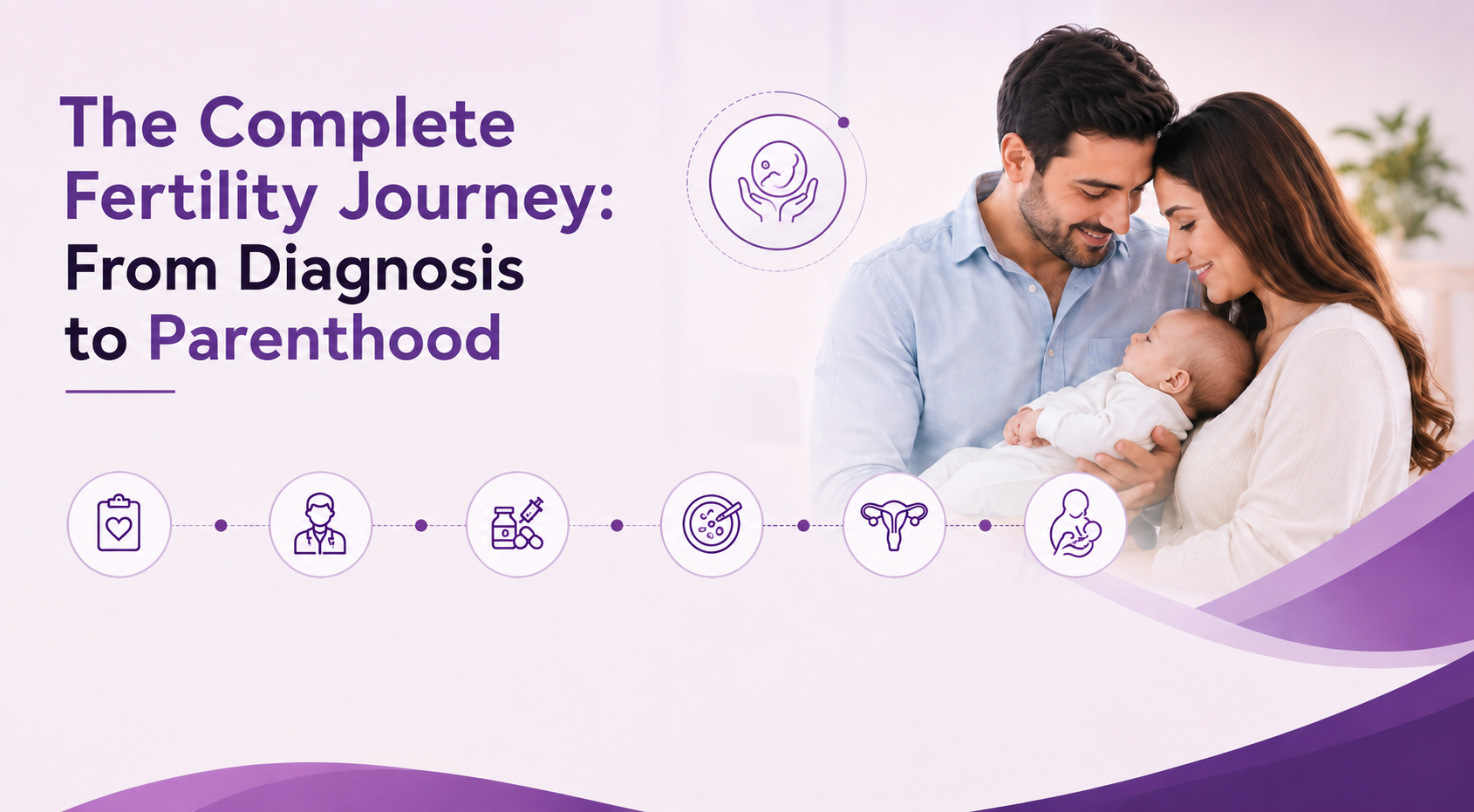
Starting a family is a dream shared by many couples. However, for some individuals, achieving pregnancy may take longer than expected. Fertility challenges can feel overwhelming, but modern reproductive medicine offers hope and effective solutions. Today, advanced fertility treatments, personalized care, and experienced specialists help thousands of people build their families every year.
Understanding the complete fertility journey can make the process less stressful and more manageable. From the first fertility assessment to the joy of welcoming a baby, every stage plays an important role in achieving a successful outcome.
For couples seeking expert care in the UAE, working with an experienced IVF Doctor In Dubai and choosing a reputable IVF Clinic In Dubai, such as Best Life Fertility Center, can provide access to advanced fertility treatments and comprehensive support throughout the journey.
Understanding Infertility
Infertility is generally defined as the inability to achieve pregnancy after 12 months of regular, unprotected intercourse. For women over the age of 35, doctors often recommend seeking evaluation after six months of trying to conceive.
Infertility can affect both men and women. In fact, male factors contribute to nearly half of all fertility cases. Therefore, a complete fertility evaluation usually involves both partners.
Several factors may affect fertility, including:
Ovulation disorders
Polycystic Ovary Syndrome (PCOS)
Endometriosis
Blocked fallopian tubes
Low sperm count
Hormonal imbalances
Age-related fertility decline
Unexplained infertility
While infertility can be emotionally challenging, early diagnosis often increases the chances of finding effective treatment options.
Step 1: The Initial Fertility Consultation
The fertility journey usually begins with an initial consultation. During this appointment, the fertility specialist reviews medical history, lifestyle factors, previous pregnancies, and any existing health conditions.
Additionally, patients have the opportunity to discuss their concerns, fertility goals, and treatment expectations.
An experienced IVF Doctor In Dubai will use this consultation to understand each patient's unique circumstances and recommend appropriate diagnostic tests.
The first consultation also helps establish trust between the patient and fertility team, creating a strong foundation for future treatment.
Step 2: Comprehensive Fertility Testing
After the initial consultation, fertility specialists conduct a series of tests to identify possible causes of infertility.
Female Fertility Assessment
For women, testing may include:
Hormone blood tests
Ovarian reserve assessment
Ultrasound scans
Ovulation monitoring
Uterine evaluation
Fallopian tube testing
These tests provide valuable information about reproductive health and fertility potential.
Male Fertility Assessment
For men, semen analysis remains one of the most important diagnostic tools. The test evaluates:
Sperm count
Sperm motility
Sperm morphology
Semen volume
In some cases, additional hormonal or genetic testing may also be recommended.
Because fertility involves both partners, comprehensive testing ensures that specialists develop the most effective treatment strategy.
Step 3: Receiving a Diagnosis
Once testing is complete, the fertility specialist reviews the results and explains the findings.
Some patients receive a clear diagnosis, such as blocked fallopian tubes or male factor infertility. Others may be diagnosed with unexplained infertility, where standard testing does not reveal a specific cause.
Although receiving a diagnosis can be emotional, it often provides clarity and direction. More importantly, it allows fertility specialists to recommend the most appropriate treatment options.
At a trusted IVF Clinic In Dubai, patients typically receive detailed explanations and personalized guidance to help them understand their fertility condition.
Step 4: Exploring Fertility Treatment Options
Not every patient requires IVF immediately. Depending on the diagnosis, fertility specialists may recommend several treatment approaches.
Lifestyle Changes
In some cases, improving overall health can enhance fertility. Specialists may suggest:
Weight management
Balanced nutrition
Regular exercise
Smoking cessation
Stress reduction
These changes can improve reproductive health and support treatment success.
Fertility Medications
Hormonal medications may help regulate ovulation or stimulate egg production. Consequently, some patients achieve pregnancy without needing advanced fertility procedures.
Intrauterine Insemination (IUI)
IUI involves placing prepared sperm directly into the uterus during ovulation. This treatment is often recommended for mild fertility issues and may be used before considering IVF.
In Vitro Fertilization (IVF)
For many couples, IVF offers the highest chance of success. Therefore, fertility specialists frequently recommend IVF for patients facing more complex fertility challenges.
Step 5: Beginning the IVF Process
When IVF becomes the recommended treatment, patients begin a carefully planned process designed to maximize success.
Ovarian Stimulation
The first stage of IVF involves fertility medications that stimulate the ovaries to produce multiple eggs.
Throughout this phase, specialists monitor follicle development through blood tests and ultrasound scans. As a result, medication doses can be adjusted when necessary.
Careful monitoring helps optimize egg production while reducing potential complications.
Egg Retrieval
Once the follicles reach the appropriate size, the fertility specialist schedules egg retrieval.
This minimally invasive procedure is performed under sedation and usually takes less than 30 minutes.
After retrieval, embryologists carefully examine the collected eggs and prepare them for fertilization.
Step 6: Fertilization and Embryo Development
Following egg retrieval, fertilization takes place in the laboratory.
Depending on the patient's fertility needs, specialists may use traditional IVF or Intracytoplasmic Sperm Injection (ICSI).
Embryo Culture
After fertilization, embryos develop in specialized laboratory incubators.
During this period, embryologists closely monitor growth and development. Modern fertility laboratories often use advanced technologies such as time-lapse imaging systems to observe embryo progress without disruption.
At Best Life Fertility Center, advanced embryology laboratories and sophisticated embryo monitoring systems help create optimal conditions for embryo development, supporting improved treatment outcomes.
Step 7: Embryo Transfer
Embryo transfer is one of the most anticipated stages of the fertility journey.
During this procedure, the fertility specialist places a carefully selected embryo into the uterus using a thin catheter.
The process is generally quick, painless, and does not require anesthesia.
After transfer, patients begin the waiting period before pregnancy testing. While this stage can feel emotionally challenging, ongoing support from the fertility team helps patients navigate the process with confidence.
Step 8: Pregnancy Testing and Early Monitoring
Approximately two weeks after embryo transfer, patients undergo a blood test to determine whether implantation has occurred.
If the test is positive, the fertility clinic schedules additional monitoring appointments.
These appointments help confirm:
Pregnancy progression
Hormone levels
Fetal development
Heartbeat detection
Early pregnancy monitoring provides reassurance and allows specialists to address any concerns promptly.
An experienced IVF Doctor In Dubai remains involved throughout this important stage, ensuring that patients receive comprehensive care.
Step 9: Transitioning to Obstetric Care
As the pregnancy progresses successfully, patients eventually transition from fertility care to routine obstetric care.
Although this marks the end of active fertility treatment, it represents the beginning of a new chapter.
The fertility team coordinates with obstetric providers to ensure a smooth transition and continuity of care.
For many couples, reaching this milestone feels especially rewarding after months or years of fertility challenges.
Emotional Support Throughout the Fertility Journey
Fertility treatment involves more than medical procedures. Emotional well-being also plays an important role.
Many patients experience feelings of hope, anxiety, excitement, and uncertainty throughout treatment. Therefore, emotional support services can be highly beneficial.
Many fertility centers offer:
Counseling services
Support groups
Mental health resources
Patient education programs
These services help patients manage stress and maintain emotional resilience during treatment.
The Importance of Personalized Fertility Care
No two fertility journeys are identical. Each patient has unique medical needs, personal goals, and treatment challenges.
Personalized fertility care ensures that treatment plans are tailored to individual circumstances rather than using a standard approach.
An experienced IVF Doctor In Dubai carefully evaluates each patient's fertility profile and develops a customized strategy that maximizes the chances of success.
This individualized approach often improves both treatment outcomes and patient satisfaction.
Choosing the Right Fertility Clinic
Selecting the right fertility provider is one of the most important decisions patients make during their journey.
When evaluating a fertility center, patients should consider:
Medical expertise
Laboratory quality
Available technologies
Patient support services
Personalized treatment options
Transparency regarding treatment plans
A reputable IVF Clinic In Dubai combines advanced reproductive technology with compassionate patient care, helping individuals feel supported throughout every stage of treatment.
Final Thoughts
The fertility journey is a deeply personal experience that involves many important steps, from diagnosis and treatment planning to pregnancy and parenthood. Although challenges may arise along the way, advances in reproductive medicine continue to improve outcomes for individuals and couples facing infertility.
Early diagnosis, personalized treatment plans, advanced laboratory technology, and expert medical care all contribute to successful fertility outcomes. By partnering with a trusted IVF Doctor In Dubai and choosing a reputable IVF Clinic In Dubai, such as Best Life Fertility Center, patients can access the guidance, support, and expertise needed to navigate their fertility journey with confidence.
While every path to parenthood is unique, modern fertility treatment offers hope and opportunities for many people who dream of building a family, and Best Life Fertility Center remains committed to helping patients achieve their family-building goals through compassionate and personalized fertility care.
Related Blog

6ab301e068635.jpg)













6aa847276cd93.png)









6a9fa7a209e73.jpg)






6a98551d6c9c3.png)






































6a7b248dbcf8b.jpeg)












6a6350a4893cb.png)

6a606c6a4b011.jpg)












6a50e9b09fb4e.jpg)
















6a2bcd56d8f33.jpg)
6a2c0d1d309d3.jpg)

6a211cc2a7dc0.png)

6a18313161c5a.jpg)




























69cb4b7827b08.webp)















68ec9e22634a4.png)




























68edf1fee9090.jpg)
















68f0a0f5a49dc.png)





















69dcdb1cbe702.jpg)