
How to Choose the Right Auto Parts Supplier in UAE: 10 Things to Check

Whether you run a garage in Sharjah, manage a fleet in Dubai, or simply want to keep your own car on the road, the quality of the parts you buy decides how long repairs last and how safe your vehicle is. With hundreds of auto parts suppliers in UAE, from Deira’s busy markets to large industrial-area distributors, choosing the right one can feel overwhelming. A cheap part that fails in the summer heat can cost far more than a quality one bought the first time.
Here are ten things to check before you commit to a supplier.
1. Genuine vs. Aftermarket Range
Start by asking what the supplier actually sells. Genuine (OEM) parts come from the vehicle manufacturer and guarantee an exact fit. Aftermarket parts are made by third parties and can be excellent or poor, depending on the brand.
A good supplier is transparent about which is which and offers both, so you can choose based on budget and vehicle age. Be cautious of anyone who labels everything “original” without documentation.
2. Trade License and Credentials
Legitimate auto parts suppliers in UAE operate under a valid trade licence issued by the relevant emirate’s economic department. Ask to see it, and check that the licensed activity covers spare parts trading.
Registered businesses are accountable if something goes wrong. Long-established companies and authorised distributors for known brands are generally a safer bet than unnamed street-side sellers.
3. Brand Authorization and Distribution Rights
If a supplier claims to deal in Bosch, Denso, Toyota, or Nissan parts, ask whether they are an authorised distributor or reseller. Authorised dealers have direct supply chains, which reduces the risk of counterfeits.
You can often verify this by checking the brand’s official website or contacting the manufacturer’s UAE office.
4. Vehicle Compatibility and Market Knowledge
The UAE has a unique mix of vehicles: Japanese and Korean cars, American trucks, European luxury models, and many grey-import vehicles. A strong supplier understands GCC-spec versus US-spec or Japan-spec differences, which often affect parts compatibility.
Test their knowledge. Give them your VIN or chassis number and see whether they confirm the exact part number rather than guessing.
5. Quality of Parts for Local Conditions
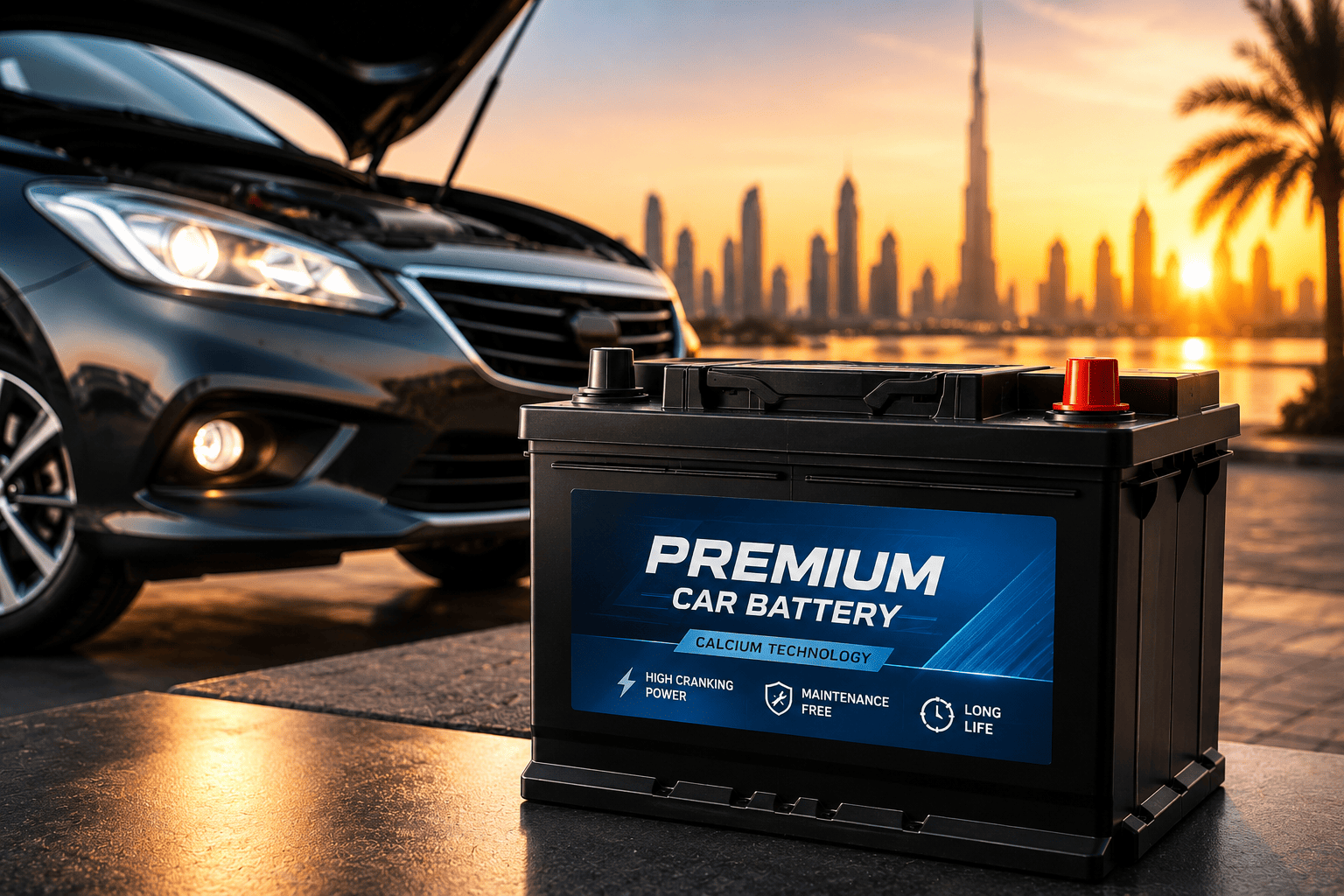
Extreme heat, dust, humidity, and long highway drives put real stress on components. Batteries, cooling systems, AC compressors, tyres, and rubber parts wear faster here.
Ask whether the supplier stocks parts rated for hot climates. A knowledgeable seller will recommend heavy-duty batteries or high-temperature coolants without being prompted.
6. Warranty and Return Policy
Warranty is one of the clearest signs of confidence in a product. Reputable suppliers offer written warranties, often ranging from a few months to a year or more depending on the part.
Before buying, confirm:
- What the warranty covers and excludes
- Whether returns are accepted for wrong or defective parts
- Whether the warranty is honoured without a “restocking” argument
Always keep your invoice, since most claims require it.
7. Pricing Transparency
The cheapest quote is rarely the best. Unusually low prices on branded parts often point to counterfeits or refurbished items sold as new.
Compare quotes from at least three suppliers and make sure each one specifies the brand, part number, condition (new, used, or refurbished), and whether VAT is included. Clear, itemised invoices are a good sign.
8. Stock Availability and Delivery Speed
Downtime is expensive, especially for businesses. Find out whether the supplier keeps common parts in stock or orders everything on request.
Many top auto parts suppliers in the UAE offer same-day delivery within the emirate and next-day delivery across the country. For urgent needs, a supplier with a local warehouse and a reliable courier network can save you days.
9. Customer Service and Technical Support
Good service shows in small details: how quickly they answer calls or WhatsApp messages, whether staff can explain the difference between two parts, and how they handle problems after the sale.
Suppliers with knowledgeable technical staff help you avoid costly ordering mistakes. If the sales team seems unsure or pushes you to buy whatever is in stock, consider looking elsewhere.
10. Reputation and Reviews
Finally, do your homework. Check Google reviews, social media pages, and trade forums, and ask local mechanics which suppliers they trust, since garages deal with parts every day and know who delivers consistent quality.
Look for patterns in feedback rather than single complaints. Repeated mentions of fake parts, slow refunds, or poor communication are red flags. Consistently positive remarks about reliability and honest advice are what you want to see.
Quick Checklist Before You Buy
- Valid trade licence verified
- Authorised for the brands they sell
- Clear distinction between OEM, aftermarket, and used parts
- Written warranty and return policy
- Itemised, VAT-inclusive invoice
- Reliable stock and delivery
- Positive reputation among mechanics and customers
Choose a Supplier You Can Trust for the Long Run
Choosing among the many auto parts suppliers in the UAE comes down to trust, transparency, and technical competence. A supplier who is licensed, authorised, honest about product quality, and supportive after the sale will save you money and stress in the long run, even if their prices aren’t the lowest on the first quote.
Take your time, ask questions, and compare options. Building a relationship with one dependable supplier also pays off over the years, with better advice, priority stock access, and sometimes better pricing for repeat customers. Use the ten checks above, and you’ll be well placed to find a partner who keeps your vehicle, or your entire fleet, running smoothly on UAE roads.
Related Blog

























6ad6096d44d50.jpg)



6ad1c7874e895.png)



6acdefb0a58d8.jpeg)



















6ab301e068635.jpg)












6aa847276cd93.png)









6a9fa7a209e73.jpg)




6a98551d6c9c3.png)



































6a7b248dbcf8b.jpeg)











6a6350a4893cb.png)

6a606c6a4b011.jpg)












6a50e9b09fb4e.jpg)











6a2bcd56d8f33.jpg)
6a2c0d1d309d3.jpg)

6a211cc2a7dc0.png)

6a18313161c5a.jpg)




























69cb4b7827b08.webp)


























694fa33ac18ea.jpeg)




693e715695a8f.png)


693923523a9ac.png)







68ec9e22634a4.png)

















68edf1fee9090.jpg)












68f0a0f5a49dc.png)






















69dcdb1cbe702.jpg)
6aed985f6b5b8.webp)