
The 48-Hour Rule: How to Buy a Used Car in Abu Dhabi Without Regretting It
6ad6096d44d50.jpg)
Most people who regret a used-car purchase didn’t buy a bad car. They bought in a hurry. The seller said another buyer was coming, the price looked good, the car looked clean, and the deposit went across before anyone checked the paperwork.
That is why I like the 48-hour rule: after you find a car you like, wait 48 hours before you pay anything. Use those two days to do the checks in this guide. A good car will still be a good car after two days. A bad one usually reveals itself.
Abu Dhabi has a big used-car market, with a mix of private sellers, dealers and cars that moved between emirates. That is good for choice, but it also means you need a system. Here is one.
1. Start with the real budget
The advertised price is only part of the cost. Before you look at any car, write down these numbers:
- Purchase price, with a ceiling you will not go above
- Ownership transfer and registration fees
- Insurance for the first year (quotes differ a lot depending on the car, its age and your history, so get one before you buy)
- Maintenance reserve. A sensible starting point is 5 to 10 percent of the price, set aside for a service, tyres or small repairs
- Running costs: fuel, parking, toll charges and yearly registration renewal
A common mistake is spending the entire budget on the car. Then the first service or a new set of tyres becomes a problem. A slightly cheaper car with money left over is a better position to be in.
2. Choose the type of car for the life you actually have
Think about how you will use it, not how you imagine using it.
| Your situation | What matters most |
|---|---|
| Daily highway commute | Fuel economy, comfort, strong air conditioning |
| Short city trips | Small size, easy parking, cheap parts |
| Family use | Space, safety features, rear air vents, boot size |
| Occasional desert or beach trips | Ground clearance, good tyres, 4x4 if needed |
| Learning or first car | Reliability, low insurance, cheap repairs |
Pick two or three models that suit you, then research their common problems. A quick search for the model name plus “common problems” tells you what to look out for during inspection.
3. Where to look, and how to compare
Use several sources, not just one: dealer showrooms, car-selling apps, classified sites and recommendations from friends or colleagues. Compare the same model, year and mileage range, and note the price of at least five cars.
If you want one place to see a wide range of second hand cars in Abu Dhabi side by side, a classifieds listing page is a reasonable starting point, but treat any listing as a lead and not as proof. Photos can be flattering and descriptions can be incomplete, so everything must be checked in person.
After a few evenings of comparing, you will know what a normal price looks like. That is your best protection: if a car is much cheaper than all the others, there is a reason, and you should find out what it is.
4. The first look: a 15-minute walk-around
Always view the car in daylight and on a dry day. Rain and darkness hide a lot.
- Panel gaps and alignment. Uneven gaps between doors, bonnet and boot can be a sign of past accident repair.
- Paint. Look along the side of the car from an angle. Patches with a different shine or texture suggest repainting. Check door edges and rubber seals for paint overspray.
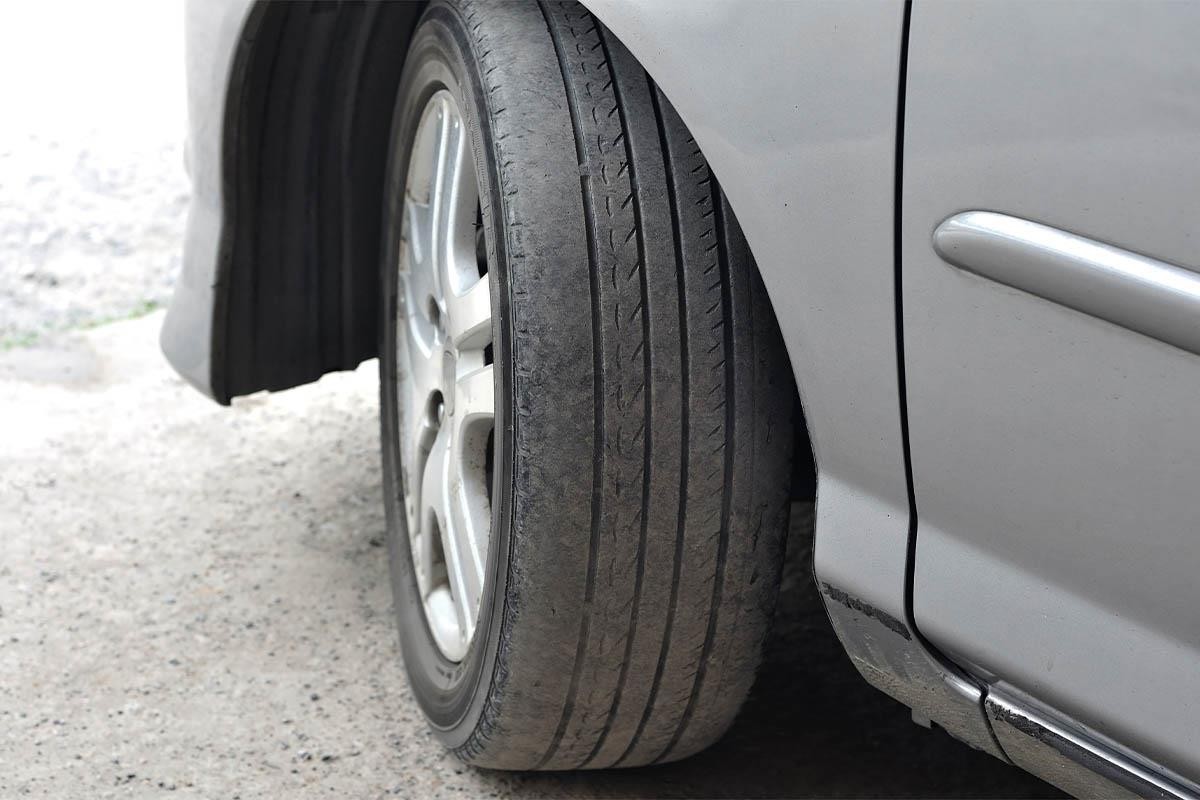
- Tyres. Check tread depth, uneven wear and the four-digit date code on the sidewall. Heat ages tyres faster, and tyres older than about five years are risky even if they look fine.
- Glass and lights. Look for chips, cracks and misted headlights. Test every light, indicator and brake light.
- Underneath. Look for fresh oil or coolant drips, rust and damaged plastic under-trays.
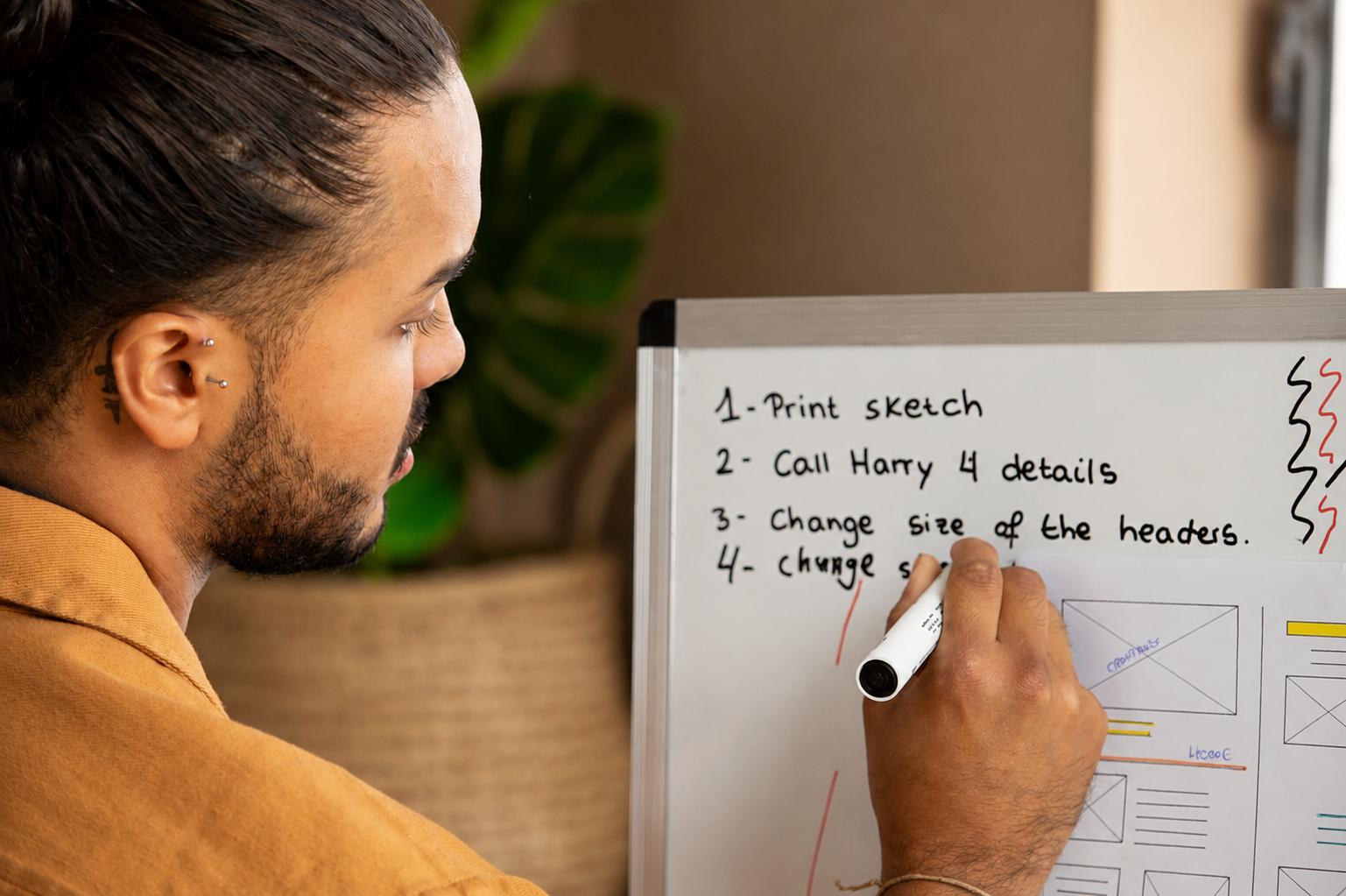
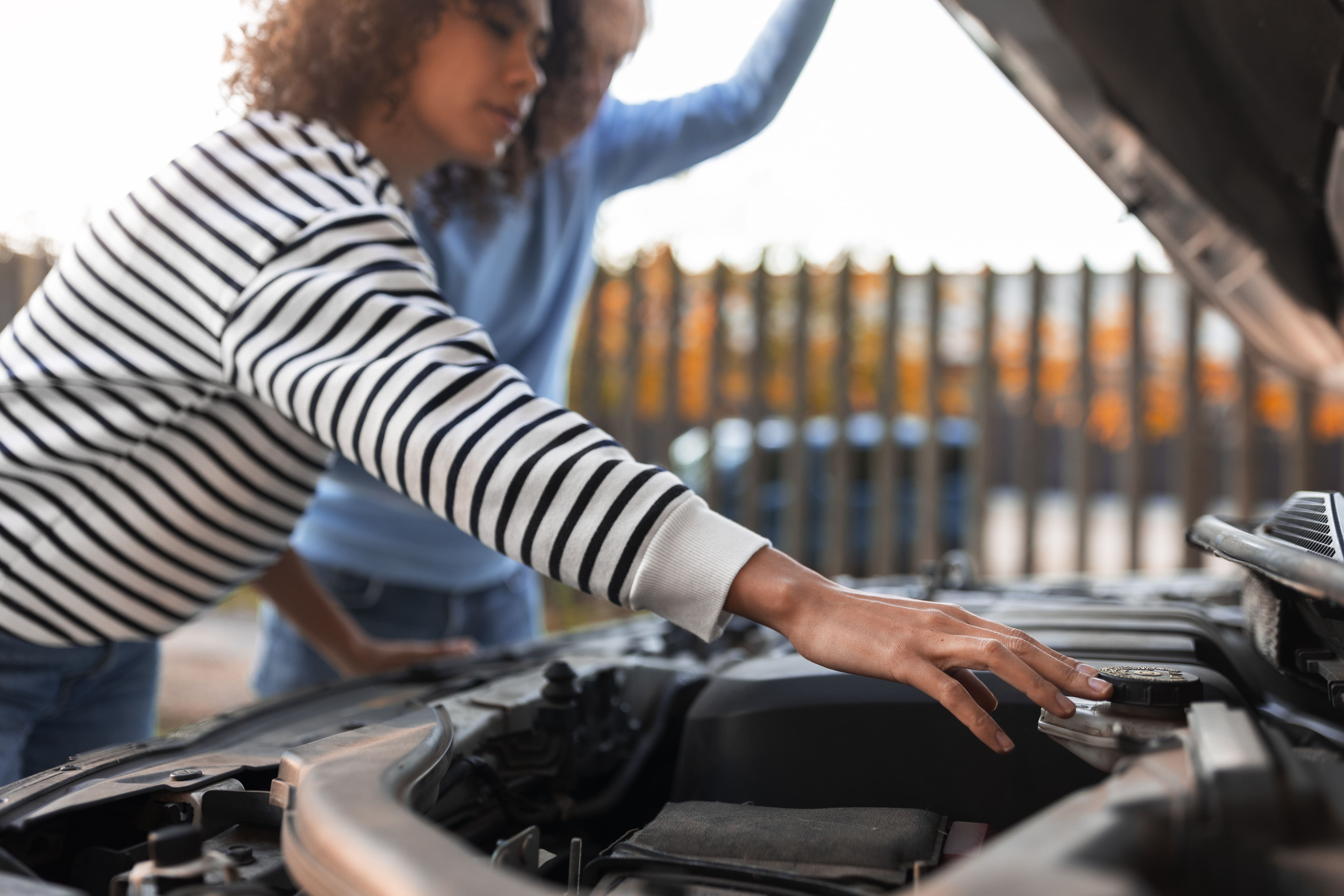
- Engine bay. Check fluid levels and colour. A very clean engine on an old car can be hiding leaks. Look for new bolts or mismatched parts that suggest a repair.
- Interior. Sun-faded dashboards are normal here, but check for damp carpets, a musty smell and rust on the seat rails, which can point to water damage.
5. The test drive
Ask for a cold start, because a car that was warmed up before you arrived can hide starting problems. Then:
- Listen. The engine should idle smoothly, with no knocking, ticking or whining.
- Test the air conditioning on maximum for at least ten minutes. In this climate a weak system is not a small fault.
- Drive on different roads. Try a quiet road and a highway. The car should track straight, and the steering should not pull to one side.
- Brake firmly when it is safe. The car should stop in a straight line with no vibration or noise.
- Feel the gearbox. Shifts should be smooth, with no jerking, slipping or long delays.
- Check everything electrical: windows, mirrors, central locking, sensors, camera, screen and wipers.
If a seller won’t allow a proper test drive, treat that as your answer.
6. Check the paperwork
Paper problems cost more than mechanical ones, because they can stop you from owning the car at all. Before you pay:
- Registration card. Confirm the seller’s name matches their ID.
- Chassis number. Check that the number on the car matches the documents.
- Fines. Confirm there are no unpaid traffic fines or blocks on the vehicle.
- Finance. If there is a loan on the car, it must be settled and the bank must provide written clearance before the transfer.
- Service history. A stamped service book or dealer records are far more reliable than a verbal promise.
- Insurance and technical inspection. Ownership transfer usually needs valid insurance and a passing technical test. Confirm the current requirements and fees with the official channels in Abu Dhabi, because they can change.
7. Get an independent inspection
Pay for a full inspection at a reputable vehicle-testing or inspection centre that you choose, not one recommended by the seller. A good report covers the body, engine, gearbox, suspension, electrics and brakes, and flags signs of previous accident or flood damage.
An inspection costs a small fraction of the price of a car. It is the cheapest protection you can buy, and the report becomes a useful negotiating tool.
8. Negotiate with facts
You will negotiate better with evidence than with emotion.
- Use the inspection report: list each fault with an estimated repair cost, and ask for that amount off the price.
- Compare with similar cars you have seen and mention a fair price.
- Ask for extras instead of only a discount, such as a fresh service, new tyres or a short warranty.
- Stay polite and be ready to walk away. There will be another car.
Example of why total cost matters (numbers are illustrative):
| Car A | Car B | |
|---|---|---|
| Asking price | 32,000 | 27,000 |
| Service history | Full | None |
| Issues found | Tyres due | AC weak, repainted panel |
| Cost to fix | 1,500 | 5,500 |
| Real cost | 33,500 | 32,500 |
Car B looked 5,000 cheaper, but after repairs it costs almost the same and carries more risk. This is why the total cost matters more than the asking price.
9. Pay and transfer safely
- Do not hand over cash in a car park with no paperwork.
- Complete the transfer officially, with both buyer and seller present, and confirm it before you release the full payment.
- Use a traceable payment method and keep a receipt that shows the date, price, car details and both people’s names.
- Keep copies of every document: the sale agreement, the new registration, the insurance and the inspection report.
10. Warning signs
Walk away, or at least slow down, if you notice any of these:
- A price far below every similar car
- A seller who refuses an inspection or test drive
- A registration card in someone else’s name
- Pressure to pay a deposit today
- A story about the seller being abroad, or a request to pay through a third person
- A fresh paint job with no explanation
- Missing service history on a high-mileage car
Quick checklist
- Total budget set, including a repair reserve
- Two or three suitable models chosen
- At least five similar cars compared
- Daylight walk-around and proper test drive done
- Registration, chassis number, fines and finance checked
- Independent inspection completed
- Price negotiated using real faults
- Safe payment, official transfer and receipt
Final thought
Buying a used car is less about finding a perfect car and more about avoiding the expensive mistakes. A clear budget, a careful inspection and good paperwork will do that for you. Take your time, bring someone who knows cars if you can, and use the 48-hour rule.
If you have bought a car in Abu Dhabi, what do you wish you had checked? Share your experience in the comments, because other buyers will find it useful.
Related Blog
























6ad1c7874e895.png)



6acdefb0a58d8.jpeg)




















6ab301e068635.jpg)

















6aa847276cd93.png)









6a9fa7a209e73.jpg)





6a98551d6c9c3.png)







































6a7b248dbcf8b.jpeg)











6a6350a4893cb.png)

6a606c6a4b011.jpg)










6a50e9b09fb4e.jpg)









6a2bcd56d8f33.jpg)
6a2c0d1d309d3.jpg)

6a211cc2a7dc0.png)

6a18313161c5a.jpg)


























69cb4b7827b08.webp)


























694fa33ac18ea.jpeg)







693e715695a8f.png)


693923523a9ac.png)








68ec9e22634a4.png)




















68edf1fee9090.jpg)












68f0a0f5a49dc.png)






















69dcdb1cbe702.jpg)
6aed985f6b5b8.webp)