
10 Safety Protocols Doctors Follow During Every Home Visit
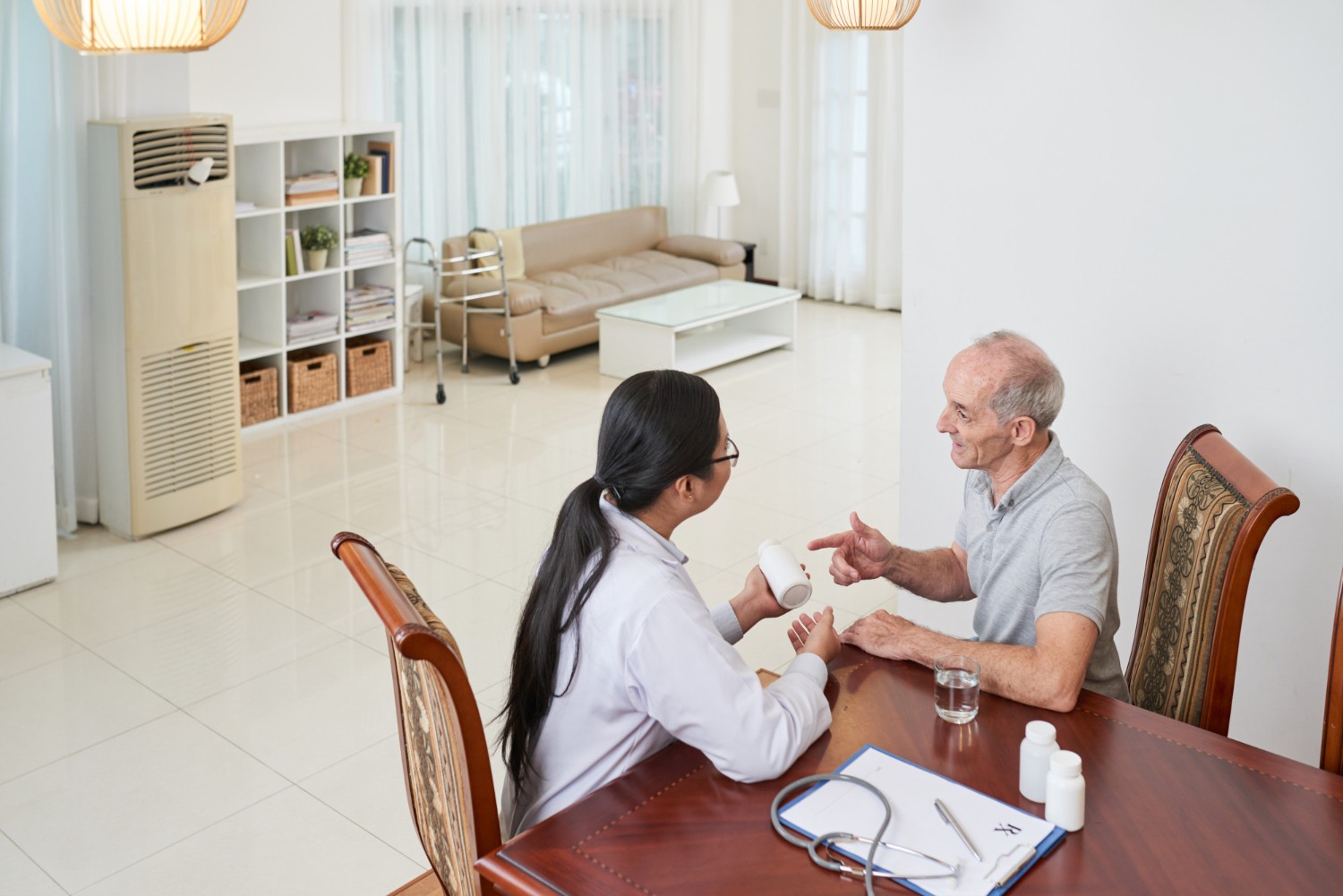
The demand for home healthcare has increased tremendously over the past few years as more and more people are opting to receive medical treatment in the comfort of their homes. A doctor on call in Dubai is a practical option compared to a clinic or hospital visit for an elderly person who needs continuous monitoring, a child who gets unexpected illnesses or a busy professional who needs rapid medical attention.
However, convenience never comes at the cost of safety. Due to the intimate contact between doctors and patients during home visits, certain medical regulations should be followed. Each visit involves many safety processes that healthcare providers follow before, during and after the visit to ensure high standards of care and protect patients and medical staff alike.
1. Evaluating the Patient’s Condition Before the Appointment
Safety starts long before the doctor gets to the patient’s house. The majority of home-visit doctors will conduct an initial assessment via a phone call or an online session to understand the patient’s condition.
In this phase, doctors note down symptoms, medical history, current prescriptions, allergies, and existing health issues. This means they can decide whether the ailment can be treated at home and have the right medical equipment and medications before they leave for the appointment. A good pre-visit assessment also helps detect circumstances that may require emergency care or referral to a hospital.
2. Verifying Medical Information
When the doctor arrives, the patient’s identity and medical history are thoroughly checked before the doctor even starts examining or treating the patient. This may seem like a normal procedure, yet it plays a major part in reducing errors.
The doctor evaluates the patient’s medical history, confirms the current health status and reviews any continuing therapies. This means that decisions about medications, treatments and follow-up care are based on reliable information.
3. Practising Strict Hand Hygiene
One of the most critical precautions in doctor home visits is adequate hand hygiene. Doctors wash their hands before and after each patient visit and before and after using any medical equipment or performing any treatment.
One of the best ways to prevent the transmission of illnesses is to wash your hands. Whether you are dealing with a minor illness or a chronic ailment, your doctor follows the same hygiene standards as those employed in hospitals and health care institutions.
4. Using Personal Protective Equipment When Required
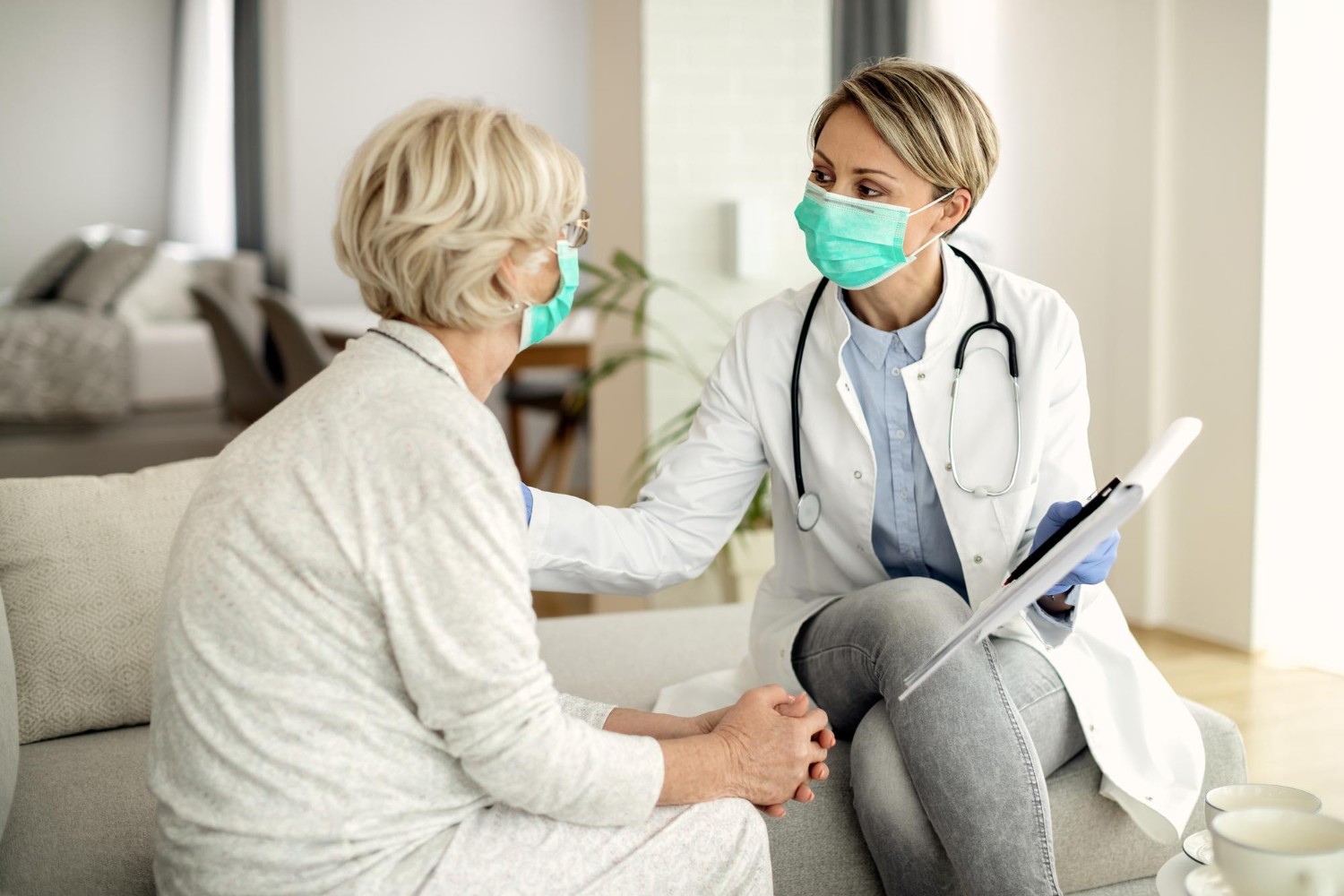
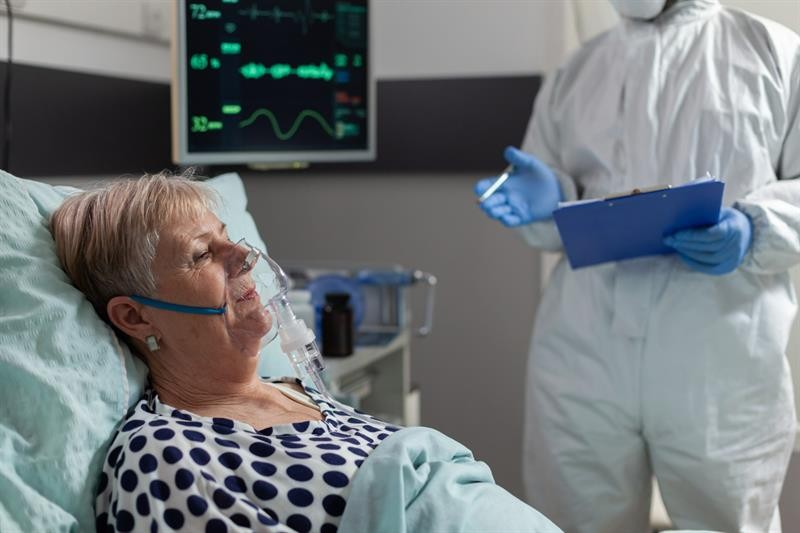
Depending on the condition of the patient, doctors wear gloves, masks, protective gowns or eye protection throughout the visit. These measures are particularly crucial in the case of infectious disorders, respiratory symptoms or immunocompromised people.
Personal protective equipment has become a fundamental aspect of safety for modern home-visit doctors, helping to lower the risk of infection for both patients and healthcare providers.
5. Keeping Medical Equipment Clean
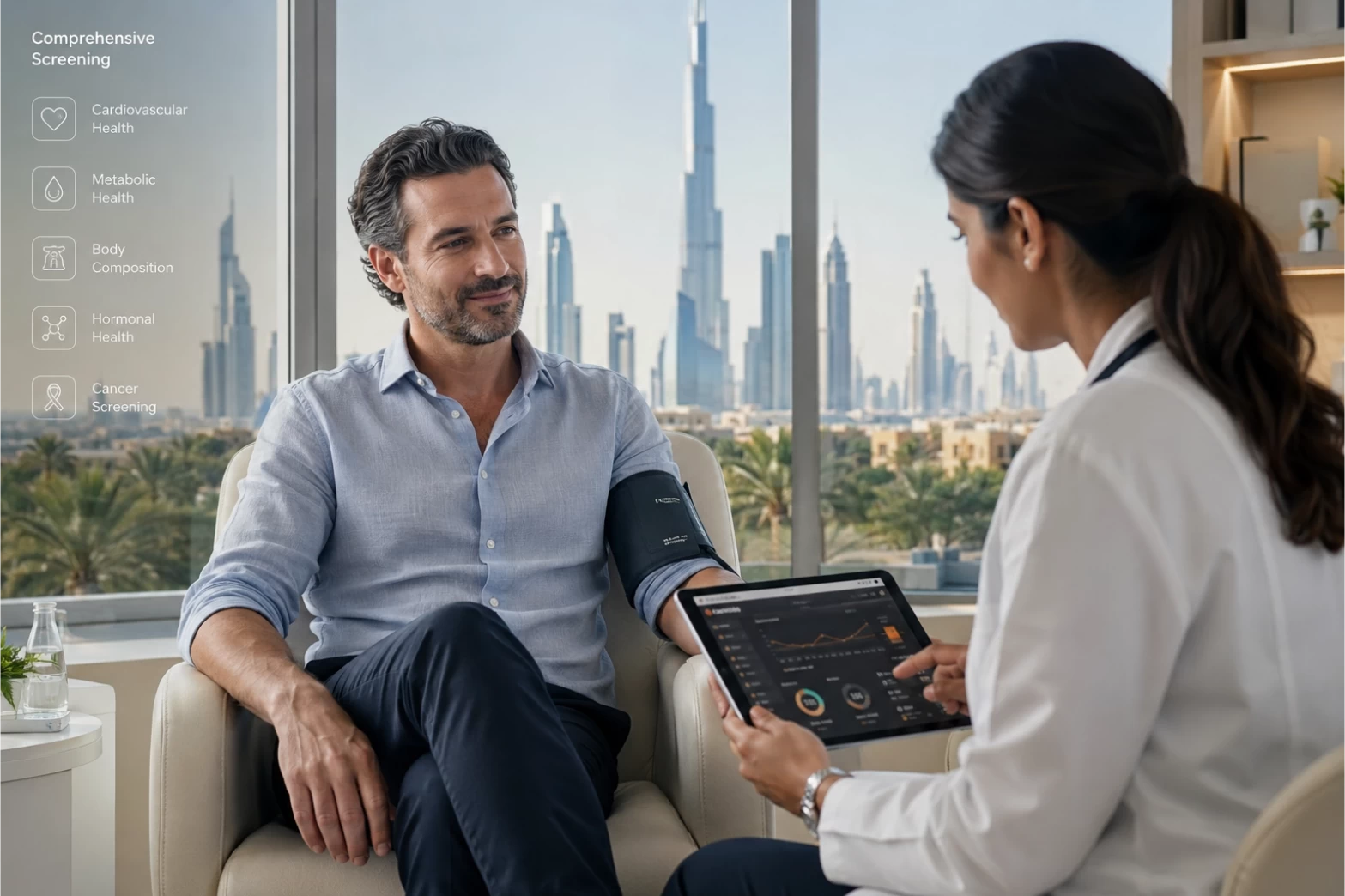
All medical instruments used in a home visit must be adequately cleaned and disinfected. Equipment such as stethoscopes, blood pressure monitors, thermometers and pulse oximeters is sterilised before and after every appointment.
Many medical supplies used during home visits are single-use items carefully discarded after the treatment. Cross-contamination and patient safety are paramount, which is why healthcare providers maintain the cleanliness of equipment.
6. Protocols for Infection Control
Infection prevention is a huge concern during any home visit. Doctors take several steps to prevent the possibility of transferring germs, viruses or other infectious agents.
These methods include reducing contact with unneeded surfaces, using disposable medical supplies when applicable, disinfecting equipment, and safely managing medical waste. These practices are vital parts of a doctor’s visit precautions and help create a safe healthcare environment in the home.
7. Ensuring Safe Medication Practices
Administering medications safely requires careful attention to detail. Before prescribing or giving any medication, doctors review the patient's current prescriptions, check for allergies, and assess potential drug interactions.
When treatments such as injections, intravenous therapies, or emergency medications are required, strict medical protocols are followed. Patients and caregivers are also given clear instructions regarding dosage, usage, and possible side effects to ensure medications are used correctly after the visit.
8. Keeping Accurate Medical Records
Documentation is a crucial component of quality treatment. For each home visit, doctors make extensive notes of their findings, diagnosis, therapy rendered and recommendations for follow-up care.
Accurate documentation helps guarantee continuity of care, especially when patients require further consultations, referrals to specialists or continuous therapy. It also gives a credible history that may be referred to if there are any medical problems in the future.
9. Preparing for Emergencies
Many home visits are for routine consultations. But doctors are trained to respond fast if the patient unexpectedly deteriorates. Home healthcare workers are trained in emergency care and generally keep emergency medical supplies on hand in case they are needed.
They also have processes in place to arrange for emergency transport or hospital admission if advanced medical care is required. Emergency preparation is still one of the important aspects of modern home doctor safety standards and contributes to the safety of the patient in unprecedented scenarios.
10. Providing Ongoing Care and Follow-Up
Patient care does not stop when the visit is over. Depending on the disease being treated, the doctor may also recommend follow-up visits, lab work, referral to a specialist or home nursing care.
Regular follow-up enables healthcare providers to monitor recovery, make any required changes to treatment plans, and address any new concerns that may arise. This continuity of care helps enhance results and builds greater confidence in patients along the treatment path.
Final Thoughts
Home healthcare allows people to receive medical attention without visiting a clinic or hospital. However, safety is still an important part of any consultation. Doctors abide by many norms, such as infection control, equipment hygiene, emergency readiness and patient confidentiality, all to provide safe and effective care.
All doctors on call in Dubai are educated to deliver professional medical services in accordance with home doctor safety requirements. Combine convenience, comfort and patient safety in equal proportion; with these treatments, a doctor at home may offer high-quality healthcare.
Related Blog


6ab301e068635.jpg)
















6aa847276cd93.png)









6a9fa7a209e73.jpg)





6a98551d6c9c3.png)











































6a7b248dbcf8b.jpeg)












6a6350a4893cb.png)

6a606c6a4b011.jpg)








6a50e9b09fb4e.jpg)









6a2bcd56d8f33.jpg)
6a2c0d1d309d3.jpg)

6a211cc2a7dc0.png)

6a18313161c5a.jpg)


























69cb4b7827b08.webp)















68ec9e22634a4.png)

























68edf1fee9090.jpg)














68f0a0f5a49dc.png)




















69dcdb1cbe702.jpg)