How LED Lighting Can Reduce Energy Costs for Dubai Businesses
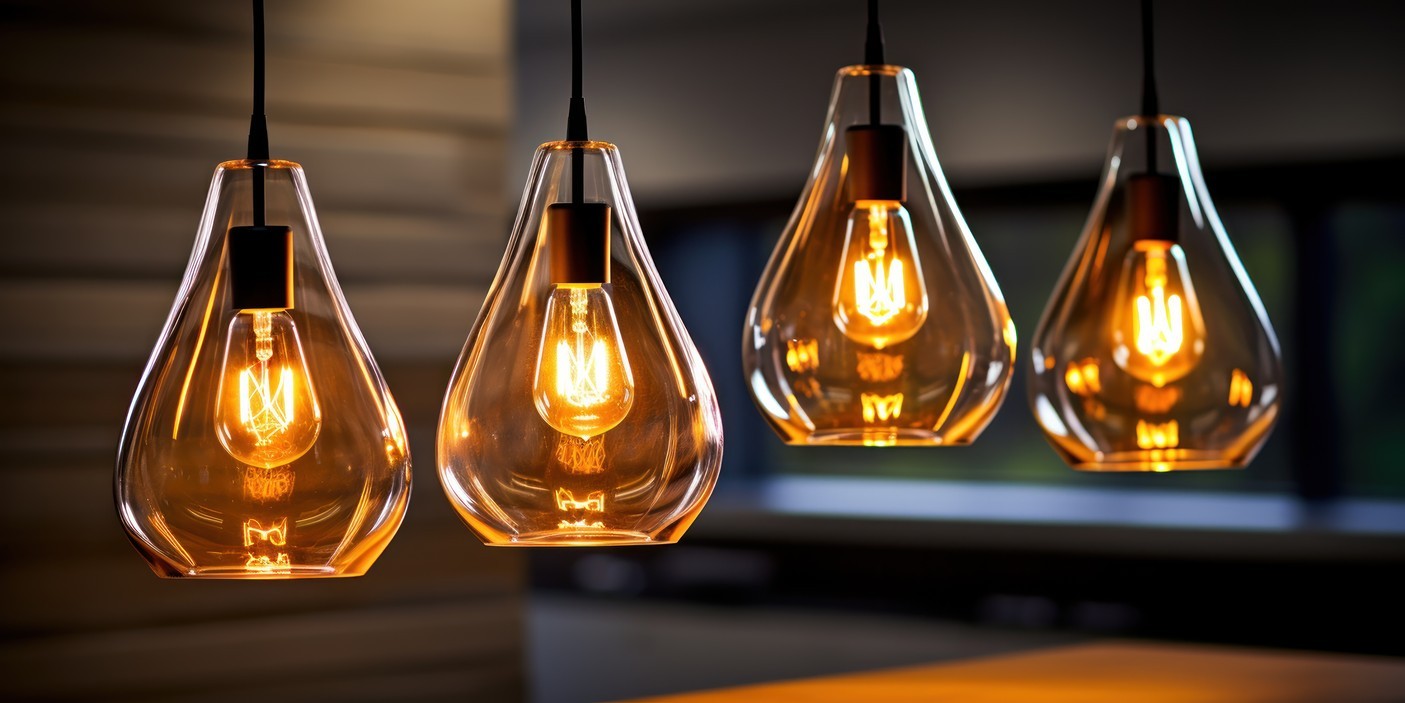
Energy efficiency has become an important consideration for businesses in Dubai. Offices, retail stores, warehouses, hotels, restaurants, factories, and commercial buildings often require lighting for extended periods, making lighting one of the ongoing operational expenses. Switching from conventional lighting to energy-efficient LED systems can help businesses reduce electricity consumption while improving lighting quality and lowering maintenance costs.
For businesses planning a lighting upgrade, working with experienced lighting companies in Dubai can make it easier to select, design, and install LED lighting systems that match the property's requirements and operational needs.
Why Energy Efficiency Matters for Dubai Businesses
Businesses operate in a competitive environment where controlling operating costs is essential. Electricity consumption can represent a significant expense, particularly for large commercial and industrial facilities with hundreds or thousands of lighting fixtures.
Traditional lighting technologies, such as incandescent, fluorescent, and certain high-intensity discharge lamps, generally consume more electricity than modern LED alternatives. They may also require more frequent replacement and maintenance.
LED technology offers businesses an opportunity to address these challenges through lower energy consumption, longer service life, and better control over lighting usage.
How LED Lighting Reduces Electricity Consumption
One of the primary advantages of LED lighting is its energy efficiency. LEDs convert a higher proportion of electrical energy into usable light compared with many traditional lighting technologies. This means businesses can achieve the required brightness while consuming less electricity.
For example, replacing an inefficient conventional fixture with an appropriately designed LED alternative can significantly reduce the wattage required to illuminate the same space. When hundreds of fixtures are operating throughout a commercial property, even a small reduction in energy consumption per fixture can contribute to substantial savings over time.
The actual savings depend on factors such as the existing lighting technology, operating hours, fixture wattage, number of lights, and electricity rates.
Longer Lifespan Means Lower Replacement Costs
Energy savings are only one part of the financial benefit of LED lighting. LEDs typically have a considerably longer operating life than many conventional lamps.
Frequent lamp replacement can create additional costs for businesses. These costs include purchasing replacement lamps, paying maintenance personnel, arranging equipment such as lifts for high ceilings, and temporarily disrupting business operations.
LED fixtures with longer service lives can reduce the frequency of replacement. This is particularly beneficial for warehouses, factories, retail facilities, and large commercial buildings where accessing lighting fixtures can be difficult or expensive.
Lower Maintenance Requirements
Commercial lighting maintenance can become a significant operational responsibility. In facilities with extensive lighting installations, maintenance teams may need to regularly inspect, replace, and repair fixtures.
LED lighting can reduce this maintenance burden because of its long operating life and durable construction. Fewer replacements can translate into lower labor costs and less disruption to normal business activities.
For businesses with high ceilings or large indoor and outdoor areas, reducing maintenance frequency can be especially valuable. Professional lighting companies in Dubai can assess existing installations and recommend LED solutions designed for the property's specific maintenance requirements.
Smart Lighting Controls Can Deliver Additional Savings
LED lighting becomes even more energy-efficient when combined with smart controls. Businesses can use occupancy sensors, daylight sensors, timers, dimmers, and centralized lighting management systems to control when and how much lighting is used.
For example, occupancy sensors can automatically switch lights off when a meeting room, storage area, or office is unoccupied. Daylight sensors can adjust artificial lighting when sufficient natural light is available.
Dimming can also reduce energy consumption in areas that do not require maximum brightness throughout the day.
These technologies allow businesses to move beyond simply replacing old fixtures and create a more intelligent lighting system that responds to actual usage.
LED Lighting for Different Business Environments
The energy-saving potential of LED lighting applies across different commercial environments.
Offices: LED panels, downlights, and linear lighting can provide consistent illumination while reducing energy consumption. Smart controls can further reduce unnecessary lighting during unoccupied periods.
Warehouses: LED high bay lights can provide powerful illumination for large spaces while consuming less energy than many traditional high-intensity fixtures. Motion sensors can help reduce energy use in low-traffic areas.
Retail Stores: Efficient LED track lights, spotlights, and downlights can illuminate products effectively while allowing retailers to control lighting levels according to store operations.
Hotels and Hospitality: LED lighting can be used throughout guest rooms, corridors, restaurants, reception areas, and outdoor spaces to improve efficiency without compromising the guest experience.
Industrial Facilities: Durable LED fixtures can provide reliable illumination in demanding environments while helping businesses manage electricity and maintenance expenses.
Better Lighting Design Can Prevent Energy Waste
Simply replacing every existing fixture with an LED equivalent does not always deliver the best possible result. Poorly designed lighting systems can still waste energy, even when LED fixtures are used.
Professional lighting design considers factors such as room dimensions, ceiling height, required illumination levels, fixture spacing, beam angles, natural light, occupancy patterns, and the purpose of each space.
A properly designed system can provide sufficient illumination without unnecessarily installing excessive fixtures or using higher-wattage products than required.
This is why businesses can benefit from consulting experienced lighting professionals before undertaking a large-scale LED upgrade.
Consider the Total Cost of Ownership
When evaluating LED lighting, businesses should look beyond the initial purchase price. A cheaper fixture may not necessarily provide the best long-term value.
The total cost of ownership can include:
- Initial fixture and installation costs
- Electricity consumption
- Maintenance expenses
- Replacement requirements
- Operating lifespan
- Lighting control systems
- Downtime and labor costs
A quality LED system may have a higher initial investment but deliver better long-term value through lower energy consumption, reduced maintenance, and longer service life.
Businesses should therefore evaluate LED solutions based on their expected return on investment rather than focusing solely on the upfront cost.
Choosing the Right LED Lighting Solution
Every business has different lighting requirements. A warehouse may require high-output, high-bay fixtures, while an office may benefit from LED panels and smart controls. Retail environments may require accent lighting, track lights, and adjustable spotlights.
Before selecting products, businesses should assess their existing lighting infrastructure, energy consumption, operating hours, maintenance requirements, and future expansion plans.
Experienced lighting companies in Dubai can help businesses conduct lighting assessments, recommend suitable LED products, develop lighting layouts, and implement energy-efficient solutions based on the property's requirements.
Conclusion
LED lighting can help Dubai businesses reduce energy costs through lower electricity consumption, longer operating life, reduced maintenance requirements, and intelligent lighting controls. When properly designed and installed, LED systems can provide efficient illumination while supporting long-term operational savings.
However, achieving the best results requires more than simply replacing conventional bulbs with LED products. Businesses should consider lighting design, fixture selection, controls, operating schedules, and total cost of ownership.
By choosing the right LED lighting solution and implementing a well-planned lighting strategy, businesses can improve energy efficiency, reduce ongoing operating expenses, and create more comfortable and productive commercial environments. For organizations looking to control costs while modernizing their facilities, LED lighting can be a practical and cost-effective investment.
Related Blog




6acdefb0a58d8.jpeg)














6ab301e068635.jpg)













6aa847276cd93.png)








6a9fa7a209e73.jpg)





6a98551d6c9c3.png)


































6a7b248dbcf8b.jpeg)










6a6350a4893cb.png)

6a606c6a4b011.jpg)









6a50e9b09fb4e.jpg)












6a2bcd56d8f33.jpg)
6a2c0d1d309d3.jpg)

6a211cc2a7dc0.png)

6a18313161c5a.jpg)

























69cb4b7827b08.webp)























694fa33ac18ea.jpeg)



693e715695a8f.png)


693923523a9ac.png)







68ec9e22634a4.png)
























68edf1fee9090.jpg)
















68f0a0f5a49dc.png)




















69dcdb1cbe702.jpg)