6acdefb0a58d8.jpeg)
Online Reputation Services: What They Really Do and When You Need Them
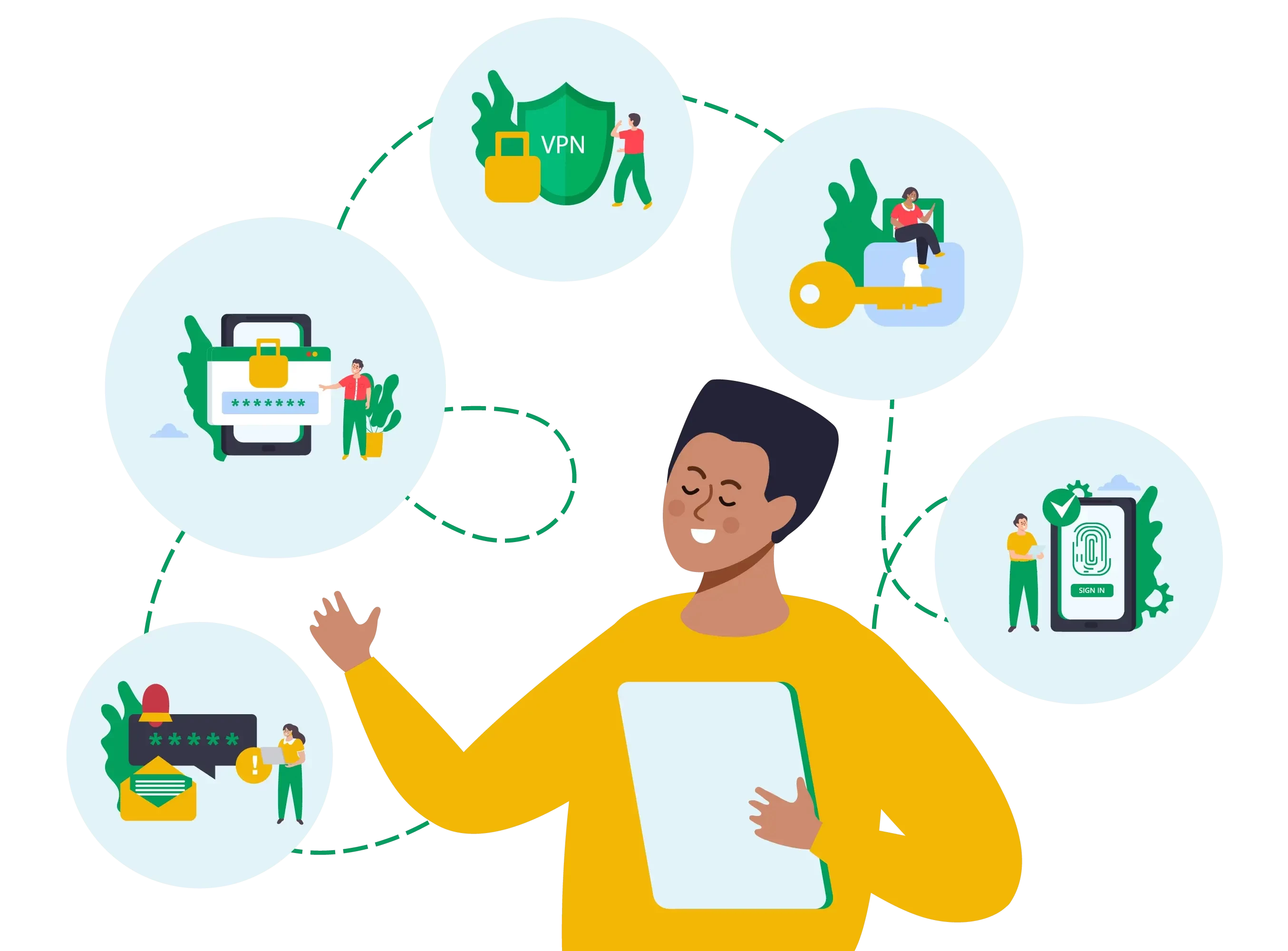
Try this
quickly. Open a private browser window and search for your own name or your
company name. Look at the first page of results like a stranger would. What do
you see?
Maybe it's a
clean mix of your website, your social profiles and a few good reviews. Or
maybe it's one angry review from three years ago sitting right at the top.
Either way, that page is doing a lot of the talking for you before you ever get
a chance to say hello.
That's the
reason online reputation
services exist, and it's why more founders, professionals and small
businesses are paying attention to them. Let's break down what they are, what
you actually get, and how to decide if you need one.
What are Online Reputation Services?
In plain terms,
online reputation services help you control how you appear on the internet.
That means search results, review sites, news mentions, social media and
anything else a potential client or employer might stumble on.
It isn't about
hiding the truth or faking a perfect image. A good provider helps the real,
accurate story about you show up first, and helps you deal with content that is
outdated, unfair or simply wrong.
Why Your Reputation Now Works as a First Impression
Most people
research before they buy, hire or partner with someone. They read reviews,
check LinkedIn, scroll through Google and sometimes dig into old forum threads.
It takes them about two minutes.
In those two
minutes, they decide whether you feel trustworthy. If the results are messy,
inconsistent or negative, many of them simply move on to the next option. They
never tell you why. You just never hear from them.
For a business
owner, that is quiet revenue loss. For a professional, it can mean missed jobs,
lost partnerships or awkward questions in interviews.
What a Solid Reputation Service Usually Covers
Packages differ
from one agency to another, but the core work tends to look like this:
•
Monitoring. Keeping an eye on mentions of your name or
brand across search engines, review platforms and social channels, so problems
get spotted early instead of weeks later.
•
Review management. Encouraging happy customers to share
their experience, and replying to critical reviews in a calm, professional way.
•
Content creation. Publishing helpful articles, profiles
and press mentions that reflect who you really are, which naturally pushes
weaker results further down.
•
Search result cleanup. Working to remove or suppress
harmful content, such as defamatory posts, outdated pages or content that
breaks a platform's rules.
•
Crisis response. Having a plan for the moment something
goes wrong, so you're not scrambling and making it worse.
Notice that
most of this is steady, ongoing work rather than a one-time fix. Reputation is
built slowly, which is also why it holds up.
Signs It's Time To Get Help
You don't have
to wait for a disaster. But if any of these sound familiar, it's worth having a
conversation with a professional:
•
A negative article, review or post ranks high when
people search for you.
•
Your Google results show old, irrelevant or incorrect
information.
•
You're about to launch a business, raise funds or apply
for a senior role and want a clean online presence.
•
Competitors or unhappy ex-customers are spreading
misleading claims.
•
You simply don't have the time to monitor everything
yourself.
How to Choose The Right Provider
This is the
part where people get burned, so a little caution helps. Be wary of anyone who
promises that bad content will vanish overnight, or who offers to post fake
reviews for you. Fake reviews break platform rules and can backfire badly once
they're spotted.
Look for a team
that explains their process in plain language, is honest about what can and
can't be removed, and shows real examples of their work. Ask how they report
progress. A good partner will happily answer all of that without getting vague.
If you're based
in the UAE or working with clients in the region, it also helps to pick someone
who understands the local market and how people there search and judge brands.
That's the kind of experience agencies like BrandMeBold bring, combining
reputation work with personal branding and SEO so everything pulls in the same
direction.
What You Can Start Doing Today
Even before you
hire anyone, a few small habits make a real difference:
•
Search yourself regularly and note what shows up.
•
Claim and complete your profiles on the platforms that
matter in your field.
•
Ask satisfied customers for honest reviews while the
experience is fresh.
•
Respond to criticism politely and quickly. People judge
how you handle problems as much as the problems themselves.
•
Publish useful content on your own website so you own
part of the first page.
Final Thoughts
Your reputation
is built from a hundred small signals, and most of them live outside your
control unless you pay attention to them. The good news is that it can be
shaped, repaired and strengthened with consistent effort.
If you'd like expert help with that, take a look at the online reputation services offered by BrandMeBold, or visit brandmebold.com to see how they help individuals and brands build a presence people can trust.
Related Blog




















6ab301e068635.jpg)













6aa847276cd93.png)










6a9fa7a209e73.jpg)





6a98551d6c9c3.png)





























6a7b248dbcf8b.jpeg)









6a6350a4893cb.png)

6a606c6a4b011.jpg)











6a50e9b09fb4e.jpg)














6a2bcd56d8f33.jpg)
6a2c0d1d309d3.jpg)

6a211cc2a7dc0.png)

6a18313161c5a.jpg)
























69cb4b7827b08.webp)

























694fa33ac18ea.jpeg)




693e715695a8f.png)


693923523a9ac.png)






68ec9e22634a4.png)

























68edf1fee9090.jpg)














68f0a0f5a49dc.png)

















69dcdb1cbe702.jpg)