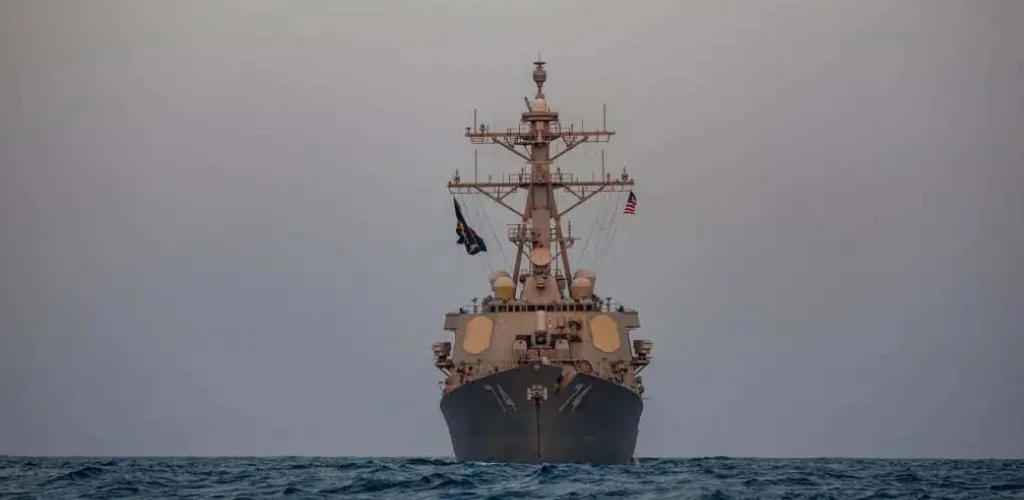

This past week, increasing US military operations against Iranian targets & military assets have escalated tension along an already hollowed-out US/Iranian ceasefire in the Middle East. US military operations on multiple occasions against Iranian military assets over 3 days, with both airstrikes and the shooting down of an Iranian drone, resulted in additional accusations by Iran that the US had violated the ceasefire agreement established earlier this year. US Strikes Iran Again: Hormuz Ceasefire.
These renewed hostilities have now created an imminent risk that both the US and Iran will resort to military responses against one another, creating chaos for both global energy markets and international security networks.
We hope this report helps you gain perspective on recent developments, their implications for the global geopolitical landscape, and their future impact on energy prices and, potentially, global events affecting strategic military operations. US Strikes Iran Again: Hormuz Ceasefire.
What They Were Seeing / Hearing in the US About Iran and US/World Tensions
With respect to US military actions in Iraq and Iran, they are not only increasing but also being broadcast worldwide, across many different media through which we get news/updates. In this report, we hope to provide background information on several issues that we believe offer insight into the actual situation.
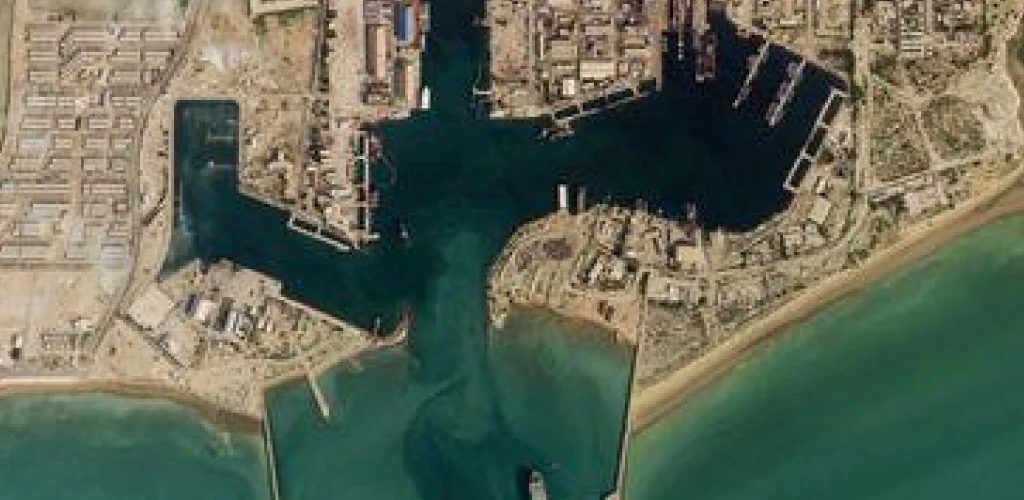
Recent US military operations against Iranian targets have all been related to operational capabilities located at or near Bandar Abbas, as it is the main Ahvaz Naval Command Headquarters. Bandari has been critical for Iran’s ability to conduct operations throughout the Persian Gulf Region via the Strait of Hormuz. Therefore, any US military operational activity within this area of responsibility (AoR) enhances the US military’s operational capability in relation to the US-Iranian conflict and the overall dynamics of the Middle East Region.

A ceasefire was created between the US and Iran for more than 6 weeks after a combination of US/Israel airstrikes within Iran led to armed conflict (The War). Though the ceasefire provided a brief pause in the violence, it remained fragile, predicated on multiple lengthy and complex negotiations between the US and Iran, as well as on the need for security and diplomatic assurances. US Strikes Iran Again: Hormuz Ceasefire.
Since the ceasefire began, there have been multiple incidents of hostilities, including the US intercepting Iranian drones, navy-on-navy confrontations, and US airstrikes within Iran launched at identified Iranian threats to the US military and/or to commercial shipping.
From April 2023 on, US Central Command (CENTCOM) has stated that US military operations against Iran were conducted to protect US troops/international commercial shipping from Iran’s perceived attacks on US troops and international commercial shipping on the maritime lane near the Strait of Hormuz, where US and International merchant marine vessels (commercial vessels) transit. US Strikes Iran Again: Hormuz Ceasefire.
The following targets of US military operations against Iran were identified by CENTCOM:
US military operations are referred to by CENTCOM as self-defensive responses because they were intended to eliminate the threat of the Iranian military attacks on US troops and international commercial shipping.
Affirming its assertion of ceasefire violation are the words of Iranian authorities who have condemned the attacks as gross violations of the ceasefire, and have advised that the IRGC will retaliate against any acts of aggression. Iran has reported shooting down an American drone, which they claim entered Iranian airspace. This recent exchange of accusations between the two sides is becoming a repetitive cycle that is escalating tension on both sides. US Strikes Iran Again: Hormuz Ceasefire.
To appreciate the significance of these strikes, it is important to understand the strategic positions of Bandar Abbas and the Strait of Hormuz. US Strikes Iran Again: Hormuz Ceasefire.
Bandar Abbas, located on the southern coast of Iran, is the site of one of the most important military facilities in Iran, as well as being the gateway to the Strait of Hormuz, which is the narrow channel of water that the world uses as a shipping lane for nearly one-fifth of the crude oil produced each year on the planet. US Strikes Iran Again: Hormuz Ceasefire.
By targeting a military facility located in Bandar Abbas, the United States has severely degraded the ability of Iran to defend itself and has made a very clear statement about its determination to keep open the shipping lanes used for international commerce. US Strikes Iran Again: Hormuz Ceasefire.

While the shipping crisis in the Strait of Hormuz is regional, it has worldwide consequences. Disrupting traffic through the strait can raise global oil prices and affect economies worldwide. Even relatively short prohibitions or blockades on shipping can send oil and gas markets reeling, threatening energy security—from Asia to Europe. US Strikes Iran Again: Hormuz Ceasefire.
The strategic significance of the Strait of Hormuz has made it a long-standing flashpoint for security crises in the Middle East and a site of US-Iranian conflict. US Strikes Iran Again: Hormuz Ceasefire.
As a result of these strikes, many questions arise about the future of diplomacy in the US-Iran negotiations aimed at resolving the broader conflict.
The Crisis in Diplomacy
Although the US states that its actions were taken in self-defence, the Iranian government argues that they have eroded mutual trust between the two nations and constitute a violation of the ceasefire.
US Secretary of State Marco Rubio has stated that the US talks could “take a few days to complete,” but the timing of the military strikes will further complicate the path forward for US-Iranian diplomacy. US Strikes Iran Again: Hormuz Ceasefire.
Furthermore, both Iran and Oman have discussed establishing joint control over the Strait of Hormuz as a part of a broader peace agreement; the White House has previously stated its disapproval of this proposal. US Strikes Iran Again: Hormuz Ceasefire.
President Trump has expressed his willingness to negotiate a comprehensive agreement with Iran, but if that does not happen, he will pursue increased military action. Statements from President Trump confirming this intent to “finish the job” create concern of a return to an all-out bombing campaign similar to previous operations.
The two diverging strategies of conducting peace negotiations while at the same time conducting military operations against Iran exemplify how complicated the world of U.S. policymakers is today.
The U.S.-Iran conflict is not confined to either country’s borders; it affects the stability of the entire Middle East and the relationships between the U.S. and its allies in the region.
Israel’s Involvement in the Dispute
Israel, as a strong ally of the U.S., also has an active conflict with Iran and the Iranian-backed group Hezbollah in Lebanon. This multidimensional, geographically partitioned theatre of combat contributes to instability in the Middle East, hindering the U.S. from achieving its goals through diplomacy. US Strikes Iran Again: Hormuz Ceasefire.
The increase in violence from this conflict has extended to Lebanon and highlights the interconnectedness of both conflicts. Escalation of violence through strikes and counterstrikes has raised tensions between the U.S. and Iran, as well as proxy groups, thereby changing their respective deterrence postures. US Strikes Iran Again: Hormuz Ceasefire.
Oil Market Reactions
Oil market reactions are somewhat hampered by the U.S. strikes against Iran; news of the strikes led to increases in oil prices. However, volatility in oil markets will result from uncertainty about the situation in the Strait of Hormuz. US Strikes Iran Again: Hormuz Ceasefire.
The current conflict has affected not only diplomatic and military aspects but also global commerce in very real ways.
Thousands of commercial vessels, including oil tankers, are currently trapped in the Strait of Hormuz due to security concerns related to the ongoing Iranian conflict; this shipping crisis has disrupted global supply chains and affected the world economy.
The increase in shipping through the Strait of Hormuz has driven up insurance costs, as the risk of military conflict has risen. As a result, many shipping companies now choose to bypass the Strait of Hormuz and sail around the Cape of Good Hope in Africa, resulting in longer transit times and higher shipping costs.
Countries that rely on oil exports to the Gulf region are feeling the effects of the current conflict on their oil export revenues and throughput due to 1-6-month shipping delays.
Analysts believe the current ceasefire is rapidly deteriorating, which could escalate minor encounters into a major war, given that both sides accuse the other of violating it. US Strikes Iran Again: Hormuz Ceasefire.
At TopTrendingHub, Iranian officials claim that the US’s most recent attacks are proof of the US’s “bad faith” and that the US is saying that their strikes were purely defensive in nature and not intended to disrupt the ceasefire.
The key element to watch for will be whether ongoing peace negotiations can continue alongside military operations. The answer is unclear at this time.
Iran has said it will retaliate if any ceasefire violations happen. Recent reports also confirm that Iran’s IRGC may have targeted a US base as retribution for US strikes which occurred in the vicinity of Bandar Abbas.
This type of action/reaction increases the likelihood of accidental escalation. US Strikes Iran Again: Hormuz Ceasefire

Here’s a Rewritten Version of the Above FAQ:
The US military has attacked Iranian drone and missile sites near Bandar Abbas in self-defence against an Iranian military threat to US military and commercial shipping interests at the Strait of Hormuz. US Strikes Iran Again: Hormuz Ceasefire.
The US and Iran disagree over whether the attacks by the US military are a violation of a ceasefire agreement between the two countries. Iran claims the US military strikes violated the treaty, whereas the US contends that self-defence military operations by the US violate the treaty.
Instability in areas and routes around the Strait of Hormuz contributes to market volatility and higher international oil prices, driven by the anticipation of sustained disruption to the international oil supply.
The US cited the presence and use of Iranian one-way, attack drones and boats used by the US military for laying mines near major maritime shipping routes as justification for US military attacks in self-defence to protect both US sailors and commercial vessels transiting designated sea lanes.
Diplomatic communications between US and Iranian representatives to finalise a long-term peace agreement and reopen the Strait of Hormuz have been compromised by several ongoing military engagements conducted by both parties against their respective military interests.
6 – What does the Iranian Revolutionary Guard Corps do?
They are a militarised force that specialises in defending Iran’s borders from American drones, warning about retaliation for any violation of ceasefire agreements, and maintaining general security throughout Iran itself.
7 – Will this conflict lead to a larger (regional) war?
There has been a lot of fighting, no clear ceasefire, diplomatic tension, and some involvement by US allies (including Israel). Given this context, there is likely potential for a larger regional war — although diplomatic efforts are ongoing.