
Qualified Electronic Signature UAE: Requirements, Process, and Benefits
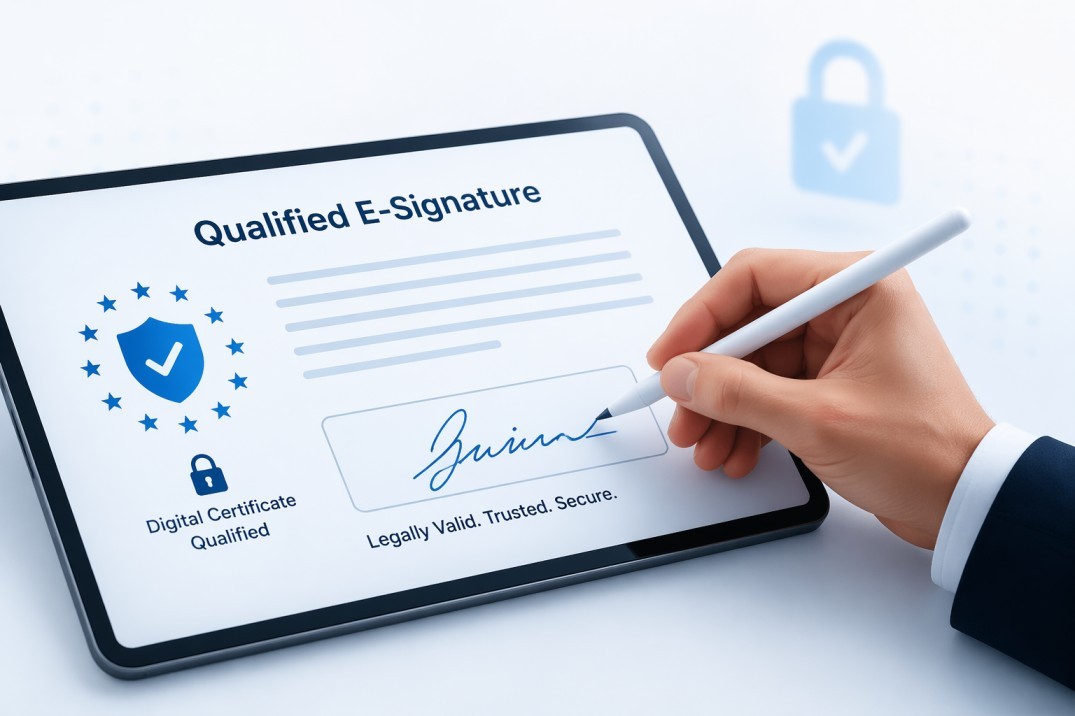
As businesses across the UAE continue to embrace digital transformation, electronic signatures have become an important part of modern document management. Companies can now complete contracts, approvals, applications, and other transactions digitally without depending entirely on paper-based processes. Among the different types of electronic signatures, qualified electronic signatures provide a higher level of assurance and are particularly relevant for transactions that require stronger identity verification and trust.
Understanding the legal framework, requirements, and practical benefits of a qualified electronic signature can help UAE businesses choose the right approach for their digital workflows. The UAE’s Federal Decree-Law No. 46 of 2021 on Electronic Transactions and Trust Services establishes a framework for electronic transactions and trust services and gives qualified electronic signatures specific legal recognition when the applicable conditions are met.
What Is a Qualified Electronic Signature?
A qualified electronic signature is a form of electronic signature that meets specific legal and technical requirements established under the applicable regulatory framework. It is designed to provide greater assurance about the identity of the signatory and the integrity of the signed document.
Unlike simply adding an electronic image of a signature to a document, a qualified electronic signature involves trusted processes and technologies that help establish who signed the document and whether the signed information has been altered.
The UAE legislation specifically provides that a qualified electronic signature has the same legal effect and authenticity as a manual signature when it satisfies the conditions set out in the law and its executive regulations.
For businesses researching qualified electronic signature UAE solutions, it is therefore important to look beyond the visual appearance of a signature and consider the underlying identity verification, trust services, security controls, and regulatory requirements.
How Is a Qualified Electronic Signature Different From a Standard Electronic Signature?
Electronic signatures can take different forms depending on the technology and level of assurance required. A basic electronic signature might involve entering a name, clicking an acceptance button, or signing electronically through a digital platform.
A qualified electronic signature provides a stronger framework for identifying the signer and protecting the integrity of the signed document. This distinction can be important for businesses handling contracts, regulated transactions, sensitive documents, and agreements where stronger evidence of signing may be required.
The term digital signature in UAE is also commonly used when discussing cryptographic technologies that help authenticate documents and signatories. However, businesses should distinguish between a general digital signature and a legally recognized qualified electronic signature, as the applicable requirements and legal effects can differ.
Requirements for a Qualified Electronic Signature in the UAE
A qualified electronic signature must satisfy the relevant conditions established by UAE law and applicable regulations. The exact technical and procedural requirements can depend on the trust service and the provider involved.
Generally, businesses should consider the following areas:
1. Reliable Identification of the Signatory
A key purpose of a qualified signature is to establish a strong connection between the signature and the person signing. Appropriate identity verification procedures help ensure that the signature is associated with the correct individual.
2. Secure Signature-Creation Technology
Qualified electronic signatures rely on secure technologies designed to protect the signing process. The signature should remain under the appropriate control of the signatory and be protected against unauthorized use.
3. Qualified Trust Services
Qualified electronic signatures are connected to qualified trust services and providers that operate within the applicable regulatory framework. Businesses should therefore verify that the provider and service they select meet the relevant UAE requirements.
4. Document Integrity
A secure electronic signature should help demonstrate whether the signed document has been changed after signing. This provides additional confidence when documents need to be stored, shared, or presented as evidence.
How Does the Qualified Electronic Signature Process Work?
Although the exact process can vary depending on the provider, a typical workflow involves several stages.
First, the signatory's identity is verified according to the requirements of the selected qualified trust service. The user then obtains or activates the required signing credentials or qualified certificate.
Next, the document is uploaded to the relevant electronic signing platform. The signatory reviews the document and applies the qualified electronic signature using the approved signing mechanism.
Once the signing process is completed, the document can be stored and shared electronically. Depending on the solution, supporting information such as authentication records, timestamps, and audit information may also be associated with the transaction.
Businesses should always confirm the precise process with their chosen qualified trust service provider because technical requirements and user-verification procedures can vary.
Key Benefits of Qualified Electronic Signatures
Faster Business Transactions
Qualified electronic signatures can help organizations complete agreements without relying on printing, scanning, courier services, or physical meetings. This can shorten approval cycles and make remote transactions more convenient.
Improved Security
Qualified signing processes use security measures designed to establish the identity of the signer and protect the signed information. This can provide greater assurance than informal paper or image-based signing methods.
Better Document Integrity
Electronic signing technology can help businesses identify whether a document has been altered after it was signed. This is particularly useful when maintaining important contracts and records.
Reduced Administrative Work
Moving signing processes online can reduce repetitive administrative activities associated with printing, filing, scanning, and physically exchanging documents. It can also make documents easier to organize and retrieve.
Stronger Legal Assurance
Under the UAE's Federal Decree-Law No. 46 of 2021, a qualified electronic signature is considered equal in authenticity to a manual signature and has the same legal effect when the statutory conditions are satisfied.
This provides an important legal foundation for organizations considering qualified electronic signing as part of their digital workflows.
Where Can UAE Businesses Use Qualified Electronic Signatures?
Qualified electronic signatures can be relevant across a wide range of business activities. Companies may use them for contracts, employment documentation, supplier agreements, financial documents, corporate approvals, service agreements, and other transactions where secure electronic signing is appropriate.
They can be particularly useful for organizations that frequently work with remote employees, customers, suppliers, or international business partners.
However, not every document or transaction will necessarily require a qualified electronic signature. Businesses should assess the nature of each transaction, applicable regulations, internal policies, and the requirements of the receiving party before selecting the appropriate signing method.
Conclusion
Qualified electronic signatures are an important component of the UAE's growing digital business environment. By combining identity verification, secure signing technology, document integrity, and a recognized legal framework, they can help organizations move important transactions from traditional paperwork to more efficient digital workflows.
For businesses considering implementation, the most important step is to select a suitable qualified trust service and ensure that the signing process complies with applicable UAE legal and regulatory requirements. With the right approach, qualified electronic signatures can support faster transactions, improved document management, stronger security, and more efficient business operations.
Related Blog



6aa847276cd93.png)










































6a6350a4893cb.png)

6a606c6a4b011.jpg)









6a50e9b09fb4e.jpg)








6a2bcd56d8f33.jpg)
6a2c0d1d309d3.jpg)
6a211cc2a7dc0.png)

6a18313161c5a.jpg)












69cb4b7827b08.webp)















68ec9e22634a4.png)

























68edf1fee9090.jpg)

















68f0a0f5a49dc.png)




















69dcdb1cbe702.jpg)